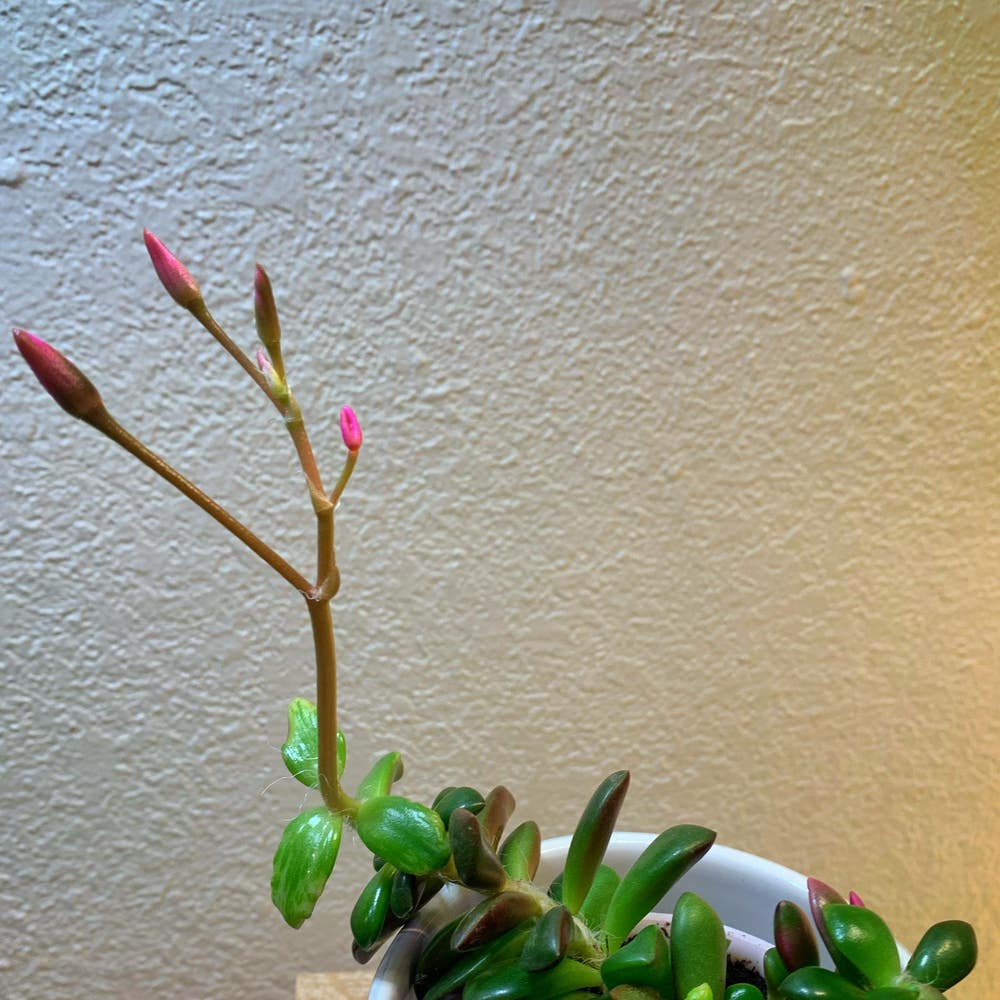
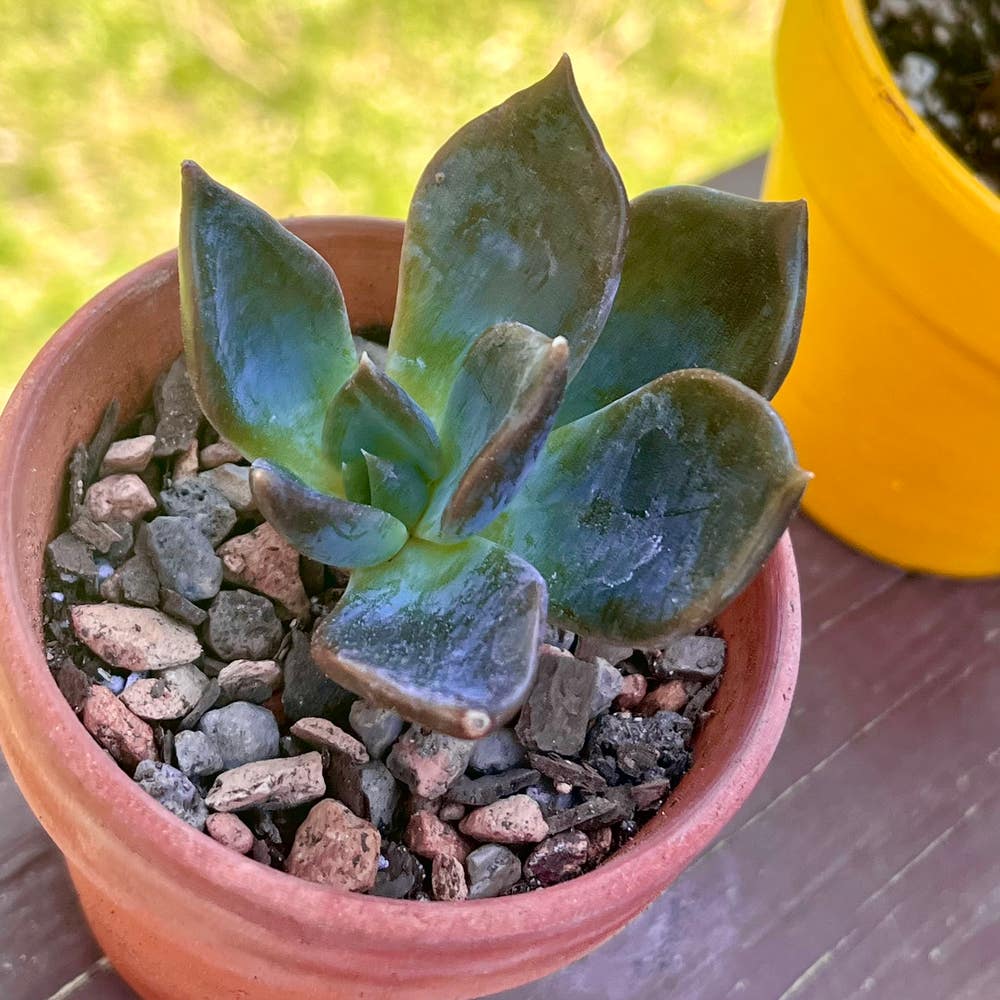
Anacampseros Telephiastrum 'Sunrise Variegata' Fertilizer
Anacampseros telephiastrum 'Sunrise Variegata'
By the Greg Editorial Team
Jun 18, 2024•4 min read
This article was created with the help of AI so we can cover more plants for you. May contain errors. See one? Report it here.
- Low nitrogen, balanced NPK for thriving 'Sunrise Variegata'.
- Fertilize monthly in growth, less in winter; half-strength is key.
- Over-fertilization signs? Flush soil, prune, pause feeding.
Choosing the Right Fertilizer
🌱 Spotting the Perfect Match
In the quest for vibrant growth, Anacampseros telephiastrum 'Sunrise Variegata' thrives on a balanced diet. Seek out fertilizers with a low nitrogen content and balanced NPK ratios. Think of it like a multivitamin tailored to your plant's specific needs—too much nitrogen can push foliage growth at the expense of the succulent's signature colorful leaves.
🌿 Organic vs. Synthetic Showdown
When it comes to feeding your Anacampseros, it's a battle between the slow-release nourishment of organic options and the rapid results of synthetic fertilizers. Organics improve soil structure over time, making them a wise choice for the long-term health of your plant. Synthetics, on the other hand, offer precise nutrient ratios for an immediate perk-up. However, wield them with care; overuse can lead to nutrient burn, which is the equivalent of a plant overdosing on junk food.

Timing is Everything: Fertilizing Schedule
⏰ Seasonal Fertilizing Finesse
Spring and summer are your Anacampseros telephiastrum 'Sunrise Variegata''s time to shine. Fertilize during these months when your succulent is in active growth mode. As the days shorten and temperatures drop, ease off the fertilizer pedal. Come fall, it's time to taper down, preparing your plant for its winter snooze.
Frequency Matters
During the growing season, a monthly dose of nutrients will keep your succulent happy. But remember, less is more when winter rolls around. A light feeding every other month should suffice, preventing the risk of overzealous growth that won't withstand the chill. Keep your eyes peeled for your plant's cues and adjust accordingly; it's about reading the room—or pot, in this case.

Fertilizer Application Mastery
🌱 The Dosage Dance
Getting the dilution ratios just right is a dance with precision. For Anacampseros telephiastrum 'Sunrise Variegata', less is more. Halve the recommended strength on your fertilizer's label to avoid overwhelming your succulent.
🕺 The Technique Tango
Step 1: Select Your Fertilizer
Choose a balanced, low-nitrogen fertilizer. Remember, this isn't a one-size-fits-all scenario.
Step 2: Measure and Mix
Follow the half-strength rule. If the label says one teaspoon per gallon, use half a teaspoon instead.
Step 3: Apply with Care
Circle around the plant, avoiding direct contact with leaves. Think gentle rain, not a downpour.
Step 4: Observe and Adjust
Monitor your plant’s response. If it's not the standing ovation you expected, tweak the frequency or strength slightly.
Step 5: Flush the Soil
Post-fertilization, ensure a thorough watering to prevent salt buildup. This isn't just about feeding; it's about maintaining a healthy root environment.
Remember, the goal is to mimic nature's steady supply of nutrients. Keep it consistent, and watch your 'Sunrise Variegata' thrive.

Rescuing from Overindulgence: Dealing with Over-Fertilization
🚨 Spotting the Telltale Signs
Over-fertilization can turn your Anacampseros telephiastrum 'Sunrise Variegata' from a vibrant gem to a lackluster lump. Yellow leaves or brown tips might be crying out for help, indicating they've had more than their fill. A white, crusty buildup on the soil is a telltale sign of mineral excess, screaming for intervention.
🚑 The Recovery Roadmap
If you've gone overboard with the plant chow, it's time to take action. Cease all fertilizing immediately to prevent further damage. Begin the rescue mission by flushing the soil with water to leach out the excess nutrients. Ensure proper drainage; it's crucial for this operation. Repeat the flush every few days until the soil's electrical conductivity returns to normal.
Prune away any damaged foliage; it's beyond saving. If the situation's dire, a soil transplant might be the only way to save your plant from the brink. After these emergency measures, give your plant a three to four-week break from fertilizing to recover. Keep a close eye on new growth—it's the first sign that your Anacampseros is bouncing back.
⚠️ Safety First
This content is for general information and may contain errors, omissions, or outdated details. It is not medical, veterinary advice, or an endorsement of therapeutic claims.
Always consult a qualified healthcare professional before using any plant as food, medicine, or supplement.
Never eat any plant (or feed one to pets) without confirming its identity with at least two trusted sources.
If you suspect poisoning, call Poison Control (800) 222-1222, the Pet Poison Helpline (800) 213-6680, or your local emergency service immediately.
Spotted an error? Please report it here.
Nurture your Anacampseros 'Sunrise Variegata' with just-right fertilizer doses 🌱 using Greg's tailored reminders for every season.