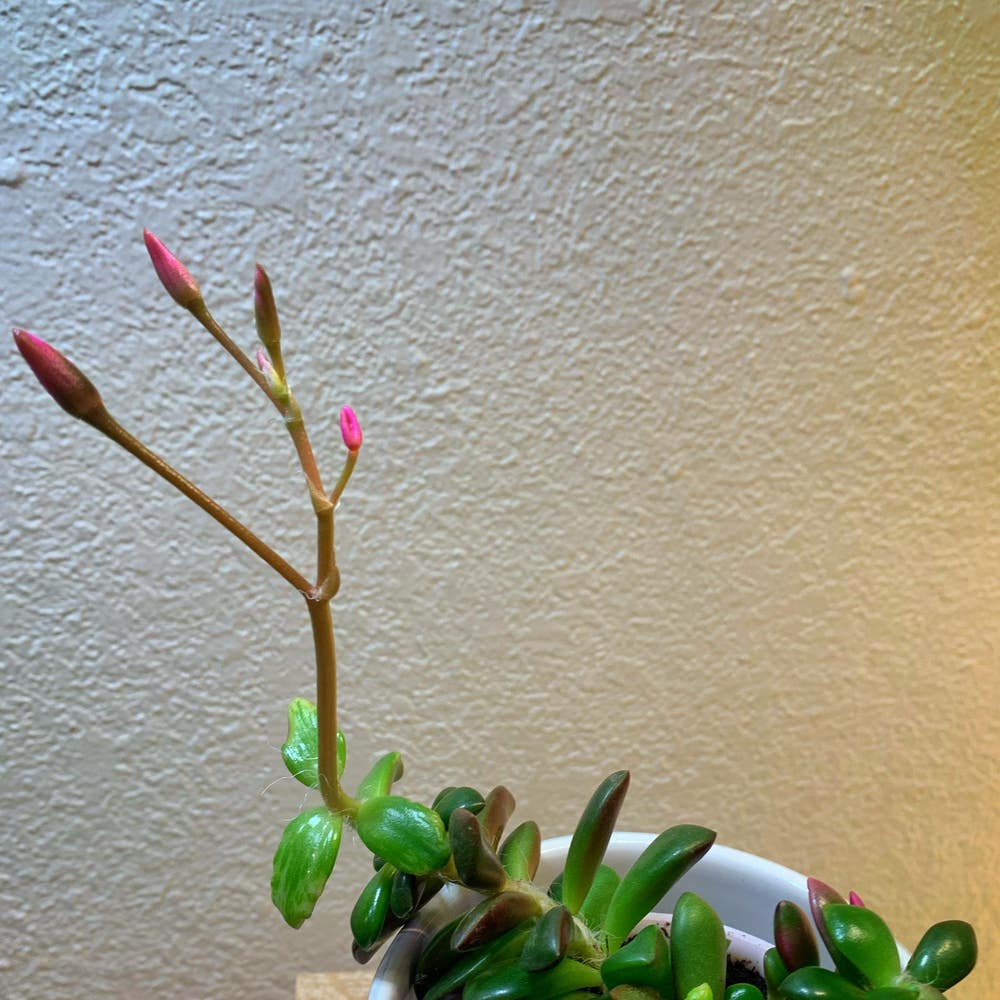
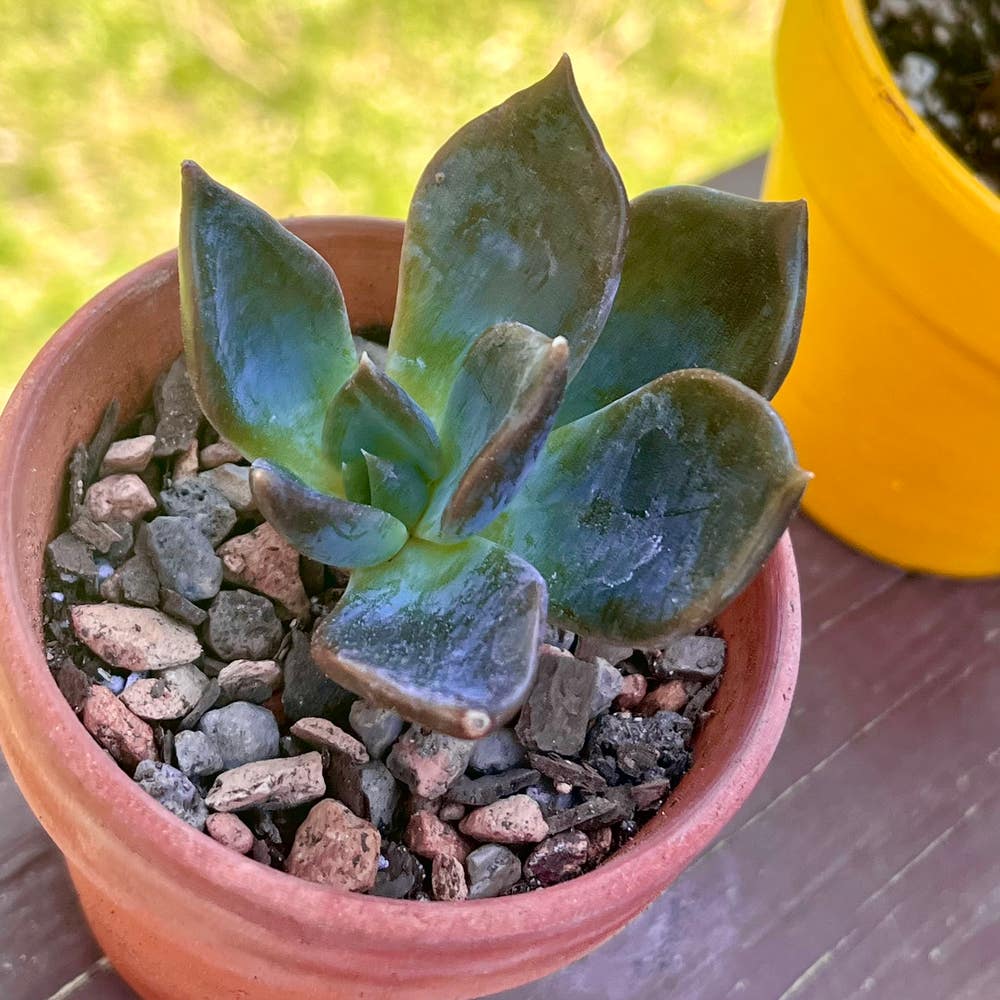
🌅 Anacampseros 'Sunrise' Explained: Key Information
Anacampseros telephiastrum 'Sunrise Variegata'
By the Greg Editorial Team
Jan 24, 2025•11 min read
This article was created with the help of AI so we can cover more plants for you. May contain errors. See one? Report it here.
- 🌞 Anacampseros 'Sunrise' needs 6+ hours of sunlight for optimal growth.
- 💧 Water infrequently; let soil dry completely to prevent root rot.
- 🌱 Non-toxic to pets, making it a safe choice for homes with animals.
How to Grow
Choosing the Right Location 🌞
Anacampseros 'Sunrise' thrives in full sun to partial shade, requiring at least six hours of sunlight daily. For optimal growth, maintain temperatures between 20°C to 30°C (68°F to 86°F).
Soil Preparation 🏜️
For soil, a well-draining succulent mix or sandy loam is ideal. Aim for a slightly acidic to neutral pH, ideally between 6.0 and 7.0, to support healthy root development.
Planting Techniques 🌱
When planting, space your Anacampseros 12-18 inches apart for ground cover or 6-12 inches for container arrangements. Ensure you plant them at the same depth as they were in their nursery pots to avoid stress.
Watering Guidelines 🚰
Watering is crucial; allow the soil to dry out completely between waterings. When you do water, do so thoroughly until excess drains out, as this prevents waterlogging.
Fertilizing Recommendations 🍽️
During the growing season, use a balanced, diluted liquid fertilizer. Fertilize every 4-6 weeks from spring to early fall to keep your plant nourished.
Pruning and Ongoing Care ✂️
Regularly prune by removing dead or damaged leaves to encourage healthy growth. Keep an eye out for pests and adjust your watering routine based on seasonal changes to ensure your plant remains vibrant.
With these guidelines, you're well on your way to cultivating a thriving Anacampseros 'Sunrise'. Next, let’s explore how to propagate this stunning succulent!
Propagation
🌿 Leaf Cuttings Method
To propagate Anacampseros 'Sunrise' using leaf cuttings, start by selecting healthy leaves. Cut them at the base and allow the cuttings to callous for 1-2 days before planting.
Once the cuttings have dried, place them in well-draining soil. Water sparingly to avoid over-saturation, which can lead to rot.
🌱 Offsets Division Method
Another effective propagation method is through offsets division. Look for small plants, or offsets, at the base of the parent plant.
Gently twist or cut these offsets away from the main plant. After removal, replant them in well-draining soil and water lightly to encourage growth.
🌼 Seed Propagation
For those interested in seed propagation, begin by harvesting seeds from mature flowers. Sow these seeds in a well-draining mix, lightly covering them for optimal germination.
Keep the soil moist until germination occurs, which typically takes 2-3 weeks. This method can be rewarding, as it allows you to grow new plants from scratch.
With these propagation techniques, you can expand your collection of Anacampseros 'Sunrise' and share this vibrant succulent with friends and family. Next, let's explore the lifecycle of this fascinating plant.
Lifecycle
Stages of Growth 🌱
The lifecycle of Anacampseros 'Sunrise' is a fascinating journey. It begins with germination, where seeds sprout within 2-3 weeks under optimal conditions.
Following germination, the seedling stage lasts about 4-6 weeks. During this time, the young plants establish their roots and begin to grow.
Next comes the vegetative growth phase, which can last several months. This is when the plant really takes off, developing its characteristic foliage.
As the seasons change, flowering occurs in late spring to summer, depending on environmental conditions. This is a beautiful sight, as the plant showcases its vibrant blooms.
Finally, after flowering, seed production takes place. Seeds develop and are ready for collection, completing the lifecycle.
Growth Rate and Time to Maturity ⏳
Anacampseros 'Sunrise' has a moderate growth rate. It typically takes about 1-2 years to reach its full size.
Under optimal conditions, you may notice faster growth. Providing the right light, water, and soil can significantly enhance its development.
This plant is not just a slowpoke; with the right care, it can flourish beautifully in your garden!
Size
Mature Dimensions 🌱
Anacampseros 'Sunrise' typically reaches a mature height of 6 to 12 inches. Its spread can extend up to 24 inches wide, making it an excellent choice for ground cover or container arrangements.
Growth Rate and Size Variability 📈
This succulent has a moderate growth rate, which can be influenced by factors like light, water, and soil conditions. Depending on how well you care for it, the size can vary significantly, showcasing its adaptability to different environments.
As you nurture your Anacampseros 'Sunrise', remember that optimal conditions will encourage more robust growth. With the right attention, you can enjoy a vibrant display of this resilient plant in your garden or home.
Next, let's explore the fascinating lifecycle of Anacampseros 'Sunrise' and how it progresses through its various growth stages.
Roots
🌱 Root System Characteristics
Anacampseros 'Sunrise' features a fibrous root system that excels at absorbing water efficiently. This shallow root structure typically extends about 6-12 inches deep, making it well-suited for its natural habitat.
⚠️ Common Root-Related Issues
One of the most common problems with this plant is root rot, which occurs due to overwatering. Symptoms include mushy roots that can lead to the plant's decline if not addressed promptly.
Another issue is becoming rootbound, which happens when the roots fill the pot. This can stunt growth and hinder the plant's overall health.
👀 Visual Cues for Healthy vs. Unhealthy Roots
Healthy roots are firm and exhibit a white or light tan color, indicating vitality. In contrast, unhealthy roots appear dark, mushy, or may even emit a foul smell, signaling that something is wrong.
Understanding these root characteristics and issues can help you maintain a thriving Anacampseros 'Sunrise'. Next, let’s explore the benefits of growing this resilient plant.
Benefits
Advantages of Growing 🌱
Anacampseros 'Sunrise' is a stunning addition to any garden, thanks to its vibrant foliage that brings a splash of color to landscapes and containers. This aesthetic appeal makes it a favorite among gardeners looking to enhance their outdoor spaces.
Low maintenance is another significant advantage. With minimal watering and care, this succulent is perfect for busy individuals who still want to enjoy the beauty of plants without the hassle.
Drought resistance is a standout feature of Anacampseros 'Sunrise'. It thrives in arid conditions, making it an excellent choice for xeriscaping, where water conservation is key.
In addition to its visual charm, this plant contributes to improved air quality. By filtering pollutants, it acts as a natural air purifier, promoting a healthier environment in your home or garden.
Culturally, Anacampseros 'Sunrise' symbolizes resilience and adaptability. Its ability to thrive in challenging conditions reflects a spirit of perseverance that resonates across various cultures, making it not just a plant, but a meaningful addition to your collection.
With these benefits in mind, it's clear that Anacampseros 'Sunrise' is more than just a pretty face; it’s a practical, resilient, and culturally significant choice for any gardener.
As you consider adding this succulent to your garden, let's explore how to propagate it effectively to expand your collection.
Companion Plants
Best Companions 🌱
When it comes to pairing Anacampseros 'Sunrise' with other plants, consider other succulents like Echeveria, Sedum, and Haworthia. These plants share similar care needs, making them perfect companions that thrive in similar conditions.
Herbs such as thyme and oregano also make excellent neighbors. They not only complement the aesthetic but also provide pest-repellent properties, keeping your garden healthy and vibrant.
Plants to Avoid 🚫
On the flip side, steer clear of heavy feeders. Plants that require high nutrient levels can compete with Anacampseros 'Sunrise' for resources, potentially stunting its growth and overall health.
Choosing the right companions can enhance your gardening experience. With the right mix, your Anacampseros 'Sunrise' will flourish, creating a stunning display in your garden or home. Next, let’s explore the safety profile of this unique plant for pets.
Toxicity to Humans
🛡️ Safety Profile
Anacampseros 'Sunrise' is a safe choice for your home and garden. Major health organizations do not list it as toxic, making it a worry-free addition to your plant collection.
⚠️ Minor Issues
While generally safe, consuming large quantities may lead to mild skin irritation or digestive discomfort. It's always wise to exercise caution and consult a medical professional if you experience any unusual symptoms.
🐾 Practical Advice
Keep this plant out of reach of small children and pets to avoid any accidental ingestion. Enjoy the beauty of Anacampseros 'Sunrise' with peace of mind, knowing it's not harmful to your household.
🏁 Conclusion
With its non-toxic nature, Anacampseros 'Sunrise' can enhance your space without the risk of toxicity. Next, let’s explore how this resilient plant fares with our furry friends.
Toxicity to Dogs
Safety Profile 🐶
Anacampseros 'Sunrise' is safe for dogs, as confirmed by veterinary organizations. This means you can enjoy this stunning succulent without worrying about your furry friends.
Minor Issues 🤢
While it's non-toxic, consuming large quantities may lead to mild gastrointestinal upset. It's always a good idea to keep an eye on your dog's behavior around plants.
Tips for Dog Owners 🐾
To ensure your dog's safety, keep Anacampseros 'Sunrise' out of reach. Regularly monitor your pet for any unusual behavior, just to be on the safe side.
This succulent can be a beautiful addition to your home, and with a little care, both you and your dog can enjoy its vibrant presence without any worries.
Next, let’s explore how Anacampseros 'Sunrise' interacts with our feline friends.
Toxicity to Cats
Safety Profile 🐱
Anacampseros 'Sunrise' is completely safe for cats, as confirmed by pet poison control centers. This means you can enjoy this beautiful succulent without worrying about your feline friends.
Minor Issues 🥴
While it's not toxic, consuming large quantities may lead to mild gastrointestinal upset in cats. It's always a good idea to keep an eye on your pet's behavior after they've been around the plant.
Tips for Cat Owners 🏡
To ensure your cat stays safe, consider keeping Anacampseros 'Sunrise' elevated or out of reach. This simple step can prevent any curious nibbling and keep your plant thriving.
With these precautions, you can enjoy the vibrant beauty of Anacampseros 'Sunrise' while ensuring your furry companions remain healthy and happy.
Problems
Common Issues 🌱
Growing Anacampseros 'Sunrise' can be a rewarding experience, but it's not without its challenges.
Overwatering is a frequent problem, leading to yellowing leaves and mushy roots. This succulent prefers its soil to dry out completely between waterings.
Incorrect light conditions can also hinder growth. If your plant appears leggy or has scorched leaves, it may not be receiving the right amount of sunlight.
Temperature issues can cause wilting or stunted growth. Anacampseros 'Sunrise' thrives in warm conditions, so keep an eye on the temperature.
Solutions 💡
To combat overwatering, adjust your watering schedule. Ensure the soil dries out thoroughly before the next watering session.
If light conditions are off, consider relocating your plant to a brighter spot or providing some shade if it's getting too much sun.
For temperature-related problems, make sure your plant is in a warm environment, ideally between 20°C to 30°C (68°F to 86°F).
By addressing these common issues, you can help your Anacampseros 'Sunrise' flourish beautifully.
Bugs
🐞 Common Pests
Anacampseros 'Sunrise' can attract a few pesky bugs that may disrupt its growth.
- Spider Mites: These tiny pests leave fine webbing and cause stippled leaves, indicating they’ve taken up residence.
- Mealybugs: Look for cotton-like masses on leaves and stems; they can sap the plant's vitality.
- Aphids: Small and soft-bodied, these insects can cause leaf curling, making your plant look less than its best.
🧴 Treatment Options
Dealing with these pests doesn’t have to be a headache.
- Insecticidal Soap: A straightforward solution that can effectively eliminate many common pests.
- Neem Oil: This natural remedy not only treats infestations but also helps prevent future ones.
- Beneficial Insects: Introducing ladybugs or lacewings can help keep pest populations in check.
By staying vigilant and employing these treatments, you can keep your Anacampseros 'Sunrise' thriving and pest-free. Next, let’s explore what animals might be interested in munching on your beautiful plant.
What Eats
Common Animals 🦌
Anacampseros 'Sunrise' can attract a variety of hungry critters.
- Deer: Look for signs like chewed leaves and broken stems, indicating their nibbling habits.
- Rabbits: These little munchers often leave evidence of nibbling on the lower leaves.
- Squirrels: You might notice digging around the base of the plant, as they search for tasty roots or bulbs.
Deterrent Methods 🚫
Protecting your Anacampseros 'Sunrise' from these pests is essential for its health.
- Chemical repellents: Consider using commercial deer and rabbit deterrents to keep these animals at bay.
- Organic methods: Planting strong-smelling herbs or using physical barriers can also help deter these hungry visitors.
By taking these precautions, you can enjoy your vibrant Anacampseros 'Sunrise' without the worry of it becoming a snack for local wildlife. Next, let’s explore the common problems that can affect this resilient plant.
⚠️ Safety First
This content is for general information and may contain errors, omissions, or outdated details. It is not medical, veterinary advice, or an endorsement of therapeutic claims.
Always consult a qualified healthcare professional before using any plant as food, medicine, or supplement.
Never eat any plant (or feed one to pets) without confirming its identity with at least two trusted sources.
If you suspect poisoning, call Poison Control (800) 222-1222, the Pet Poison Helpline (800) 213-6680, or your local emergency service immediately.
Spotted an error? Please report it here.
Let your Anacampseros 'Sunrise' shine bright 🌞 with Greg's personalized care tips and watering reminders, ensuring it thrives in your home or garden!