Anacampseros Telephiastrum 'Sunrise Variegata' Light Requirements
Anacampseros telephiastrum 'Sunrise Variegata'
By the Greg Editorial Team
Jun 18, 2024•5 min read
This article was created with the help of AI so we can cover more plants for you. May contain errors. See one? Report it here.
- 🌞 East-facing gardens provide ideal light for outdoor growth.
- 💡 South-facing windows best for indoor light; use curtains to diffuse.
- 🌸 Adjust light for blooms: Blue for growth, red for flowering.
Basking in the Right Rays: Outdoor Light Perfection
💡 Ideal Outdoor Conditions
Finding the optimal spot for your Anacampseros telephiastrum 'Sunrise Variegata' outdoors is like hitting the jackpot. It's all about bright, indirect light. East-facing gardens are prime real estate, offering morning light without the harsh afternoon glare.
Seasonal shifts in light require a keen eye. As the sun's intensity changes, so should your plant's position. In summer, dodge the midday sun like you would a bad joke. Winter may call for a spot closer to the light, like a moth to a flame, but without the tragic ending.
🛡️ Protecting from the Harsh Sun
Shade cloth or a strategically placed sheer curtain can be a lifesaver against the sun's relentless rays. Think of it as sunscreen for your succulent. If your 'Sunrise Variegata' starts to look like a lobster after a day at the beach, it's time to move it to a shadier spot.
Recognizing signs of too much sun is crucial. Leaves that look more fried than your morning bacon are a clear distress signal. Crispy or faded foliage means your plant is crying out for a break from the sunbathing session.

Indoor Light Mastery: Simulating Nature
🌅 Window Wisdom
South-facing windows are the jackpot for your 'Sunrise Variegata', bathing it in the bright, indirect light it craves. East-facing windows can also work, offering a gentle morning glow.
Be mindful of the light intensity throughout the day. A sheer curtain can diffuse harsh midday sun, preventing leaf burn and ensuring your plant doesn't throw a fit.
💡 Artificial Assistance
When the sun just isn't enough, supplemental lighting steps in. It's like a caffeine boost for your plant, without the jitters.
Setting up your space for light success means choosing lights that hit the right color spectrum. Think of it as a disco for your 'Sunrise Variegata', minus the dancing. Use timers to mimic the natural day-night cycle, because even plants need their beauty sleep.

The Flowering Connection: Light's Role in Blooms
💡 Encouraging Blooms with Light
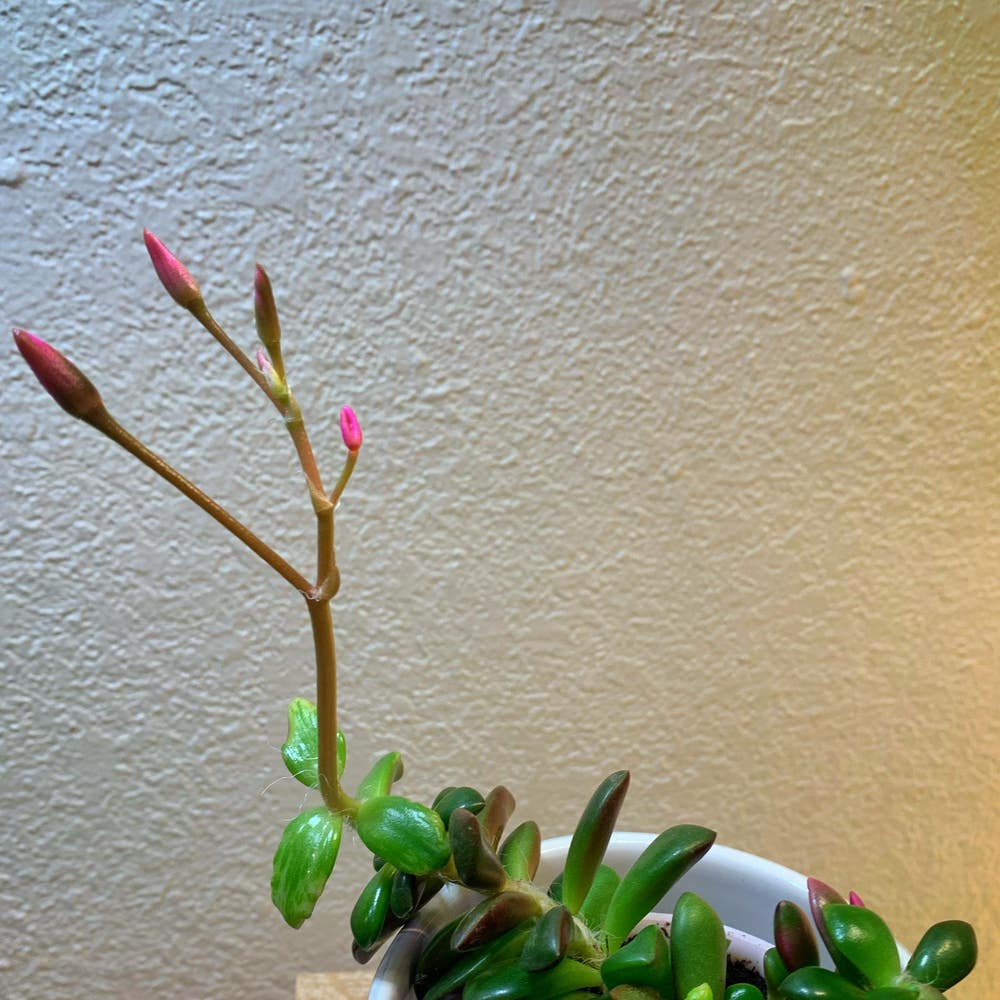
Light is the maestro of the 'Sunrise Variegata' flowering concert. Without the right light, your succulent's performance may be lackluster. Bright, indirect light is the ticket to a blooming spectacle. It's not just about quantity; the quality of light matters. Blue wavelengths encourage leaf growth, while red wavelengths coax out the blooms.
💡 Timing Light Exposure for Bloom Boosting
To set the stage for blooming, mimic the natural light cycle. Your 'Sunrise Variegata' thrives on routine. Adjust light exposure with the seasons to promote flowering. In winter, when days are short, consider supplementing with grow lights to maintain the light levels your plant craves. Keep an eye out for new growth or a flower spike as signs you've nailed the lighting recipe.

Grow Lights: The Indoor Sun for 'Sunrise Variegata'
💡 Choosing the Right Grow Light
Full-spectrum LED grow lights are your 'Sunrise Variegata's' best friend indoors. They cover all the light wavelengths your plant craves, without the sunburn. Position the lights about 12-18 inches above the plant to avoid leaf scorch and to ensure even light distribution.
Fluorescent bulbs are a cooler, budget-friendly option. They're great for seedlings and low-light lovers but might not cut it for more sun-hungry succulents. Remember, distance matters – too close and you risk a crispy plant; too far and you'll have a leggy, sad specimen.
💡 Light Scheduling
Mimic the great outdoors with a consistent light schedule. A timer is your secret weapon here. Aim for 12-14 hours of light per day to keep your 'Sunrise Variegata' from throwing a fit. When it's growth time, longer light periods can signal your plant to get busy growing. As seasons change, adjust the timer to simulate the shorter days of winter or the endless summer evenings.
Light intensity isn't just about on and off. It's about the right glow for the right growth stage. Seedlings need gentle encouragement, while mature plants can handle the spotlight. Keep an eye on your plant's response – it's the best indicator you've got.
Light Troubleshooting: Common Issues and Fixes
🌱 Too Little Light
When your Anacampseros telephiastrum 'Sunrise Variegata' starts to resemble a stretchy noodle, it's crying out for more light. Look for elongated stems or a pale complexion as telltale signs. To remedy this, inch your plant closer to a light source, but do it gradually to prevent shock. Think of it as easing into a hot bath.
☀️ Too Much Light
Conversely, if your plant has taken on the look of a crispy critter, it's had too much sun. Brown or white spots on the leaves are the plant's version of a sunburn. The fix? Move it to a place with bright, indirect light. If you can't avoid direct sun, consider a sheer curtain as a sunscreen for your succulent. Remember, once the damage is done, it's about preventing more, not fixing the fried leaves.
⚠️ Safety First
This content is for general information and may contain errors, omissions, or outdated details. It is not medical, veterinary advice, or an endorsement of therapeutic claims.
Always consult a qualified healthcare professional before using any plant as food, medicine, or supplement.
Never eat any plant (or feed one to pets) without confirming its identity with at least two trusted sources.
If you suspect poisoning, call Poison Control (800) 222-1222, the Pet Poison Helpline (800) 213-6680, or your local emergency service immediately.
Spotted an error? Please report it here.
Ensure your Anacampseros 'Sunrise Variegata' thrives with Greg's 🌞 personalized reminders to adjust its spot with the changing seasons for perfect growth and blooms.