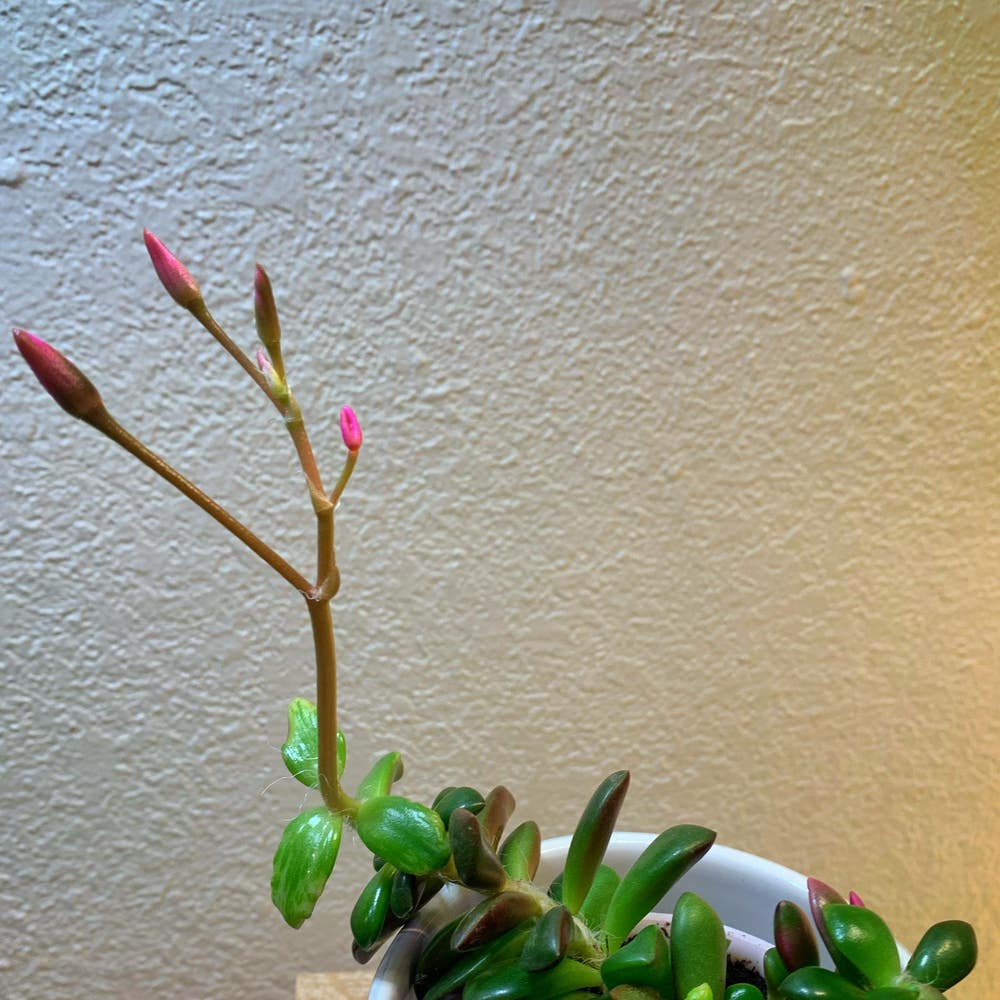
Anacampseros Telephiastrum 'Sunrise Variegata' Problems
Anacampseros telephiastrum 'Sunrise Variegata'
By the Greg Editorial Team
Jun 18, 2024•5 min read
This article was created with the help of AI so we can cover more plants for you. May contain errors. See one? Report it here.
- Over-watering? Limp leaves and soggy soil are red flags.
- 🌞 Too much sun? Scorched leaves need shade and less intense light.
- 🐛 Pests and mold? Use natural controls and increase airflow for plant health.
Water Woes: Too Much or Too Little
💧 Over-watering Blues
If your 'Sunrise Variegata' has soggy soil and leaves that sag like a deflated balloon, you're giving it a bit too much H2O love. Limp leaves that feel like overcooked spinach are crying out for an intervention.
To get back on track, adjust your watering routine. Let the soil dry out as if it's been through the desert on a horse with no name. If the pot's heavier than your emotional baggage, it's time to lighten up on the liquid. Consider a soil mix that drains faster than your phone battery.
🏜️ Under-watering Dilemmas
Spot a 'Sunrise Variegata' gasping for water when the leaves look more wrinkled than a raisin in the sun. Brown tips and a droopier posture than a teenager on Monday morning? Your plant is parched.
Quench its thirst by aiming for moist soil—not a swamp, not a desert. Water it like you're nursing a hangover: carefully and consistently. If the soil's as dry as a stand-up comedian's wit, it's time for a drink. Room temperature water is the comfort your plant's roots crave. Use the finger test: if the top inch is bone dry, it's time to party at the watering can.

Light and Shadow: Finding the Balance
🌞 Sunburned and Suffering
Scorched leaves are your 'Sunrise Variegata' waving a white flag. If the foliage looks like it's had a run-in with a blowtorch—crispy, bleached, and possibly sporting brown or white spots—it's time to intervene.
Immediate shade is the first aid for sunburn. Gradually move your plant to a spot with less intense light, avoiding the harsh midday sun that's more villain than vitamin.
💡 Light Starved Leaves
A 'Sunrise Variegata' gasping for sunlight will stretch out, leaves reaching for rays like a plant version of a sun worshipper. Pale or dull leaves are a cry for help, signaling insufficient light.
To remedy this, introduce your plant to a location with bright, indirect light. Monitor the leaf color; a resurgence of red hues indicates you've hit the sweet spot. Rotate the pot regularly to ensure even light distribution and prevent a lopsided light tan.

Temperature Tantrums
🌡️ Heat Hiccups
Wilted leaves and a general look of exhaustion are your 'Sunrise Variegata' crying out from the heat. It's not trying to get a tan; it's being cooked alive.
Keep it cool by positioning your plant away from the midday sun and any reflective surfaces that amplify heat. Use shades or sheer curtains to diffuse direct sunlight, and consider a fan for air circulation, but no direct drafts, please.
❄️ Cold Snaps
Stunted growth is your plant's subtle hint that it's too chilly. It's not trying to mimic a bonsai; it's just freezing.
Warmth and wellness come from avoiding drafty spots and keeping your 'Sunrise Variegata' in a room with stable temperatures. Think about using plant cloches or moving it to a warmer area during cold snaps. And remember, bubble wrap isn't just for shipping fragile items—it's also a plant's winter coat.

Bug Battles: Pests and Pathogens
🐜 Unwanted Guests
Spider mites and mealybugs are the party crashers of the plant world. They leave behind webbing, spots, or you might catch them red-handed. These freeloaders suck the life out of your 'Sunrise Variegata', leaving it weak and vulnerable.
Isolation is key. Quarantine your plant to stop the spread. Insecticidal soap or neem oil are your bouncers, kicking pests out on their first offense. For a more natural approach, introduce predator mites or ladybugs to patrol your plant, keeping those pests in check.
🍄 Fungus Among Us
Mold and fungus are the silent, sneaky guests. Look for discoloration or powdery spots on leaves – these are the telltale signs. To combat these uninvited intruders, increase airflow and let the sunlight in. If needed, a fungicide can be the clean-up crew.
Prevention is better than cure. Keep your plant's environment dry and airy to avoid mold and fungus from getting too comfortable. Remember, it's not just about treating the symptoms; it's about changing the environment to prevent their return.
Root Rot: The Silent Killer
🚨 Warning Signs Below the Soil
Root rot is a covert menace to your Anacampseros Telephiastrum 'Sunrise Variegata'. It's like a plant's silent scream for help, going unnoticed until it's often too late. Stunted growth and leaves that have the texture of overripe fruit are distress signals. When roots turn to a dark, slimy mess, it's a clear sign of root rot.
Root Revival: Steps to Rescue and Recover from Root Rot
If you suspect root rot, it's time for some plant triage. Gently remove the plant from its pot and shake off the soil. Healthy roots are firm and white, while rotten ones are as unappealing as mushy noodles. Snip the damaged roots—no mercy. Repot in fresh soil that drains like a dream and ensure your pot isn't holding water hostage. When it comes to watering, think of it as a desert mirage—less is more. Only water when the soil feels dry, and even then, go easy on the hydration.
⚠️ Safety First
This content is for general information and may contain errors, omissions, or outdated details. It is not medical, veterinary advice, or an endorsement of therapeutic claims.
Always consult a qualified healthcare professional before using any plant as food, medicine, or supplement.
Never eat any plant (or feed one to pets) without confirming its identity with at least two trusted sources.
If you suspect poisoning, call Poison Control (800) 222-1222, the Pet Poison Helpline (800) 213-6680, or your local emergency service immediately.
Spotted an error? Please report it here.
Nurture your 'Sunrise Variegata' to perfection 🌱 by letting Greg tailor your watering and lighting schedule, safeguarding against the common pitfalls outlined in this article.