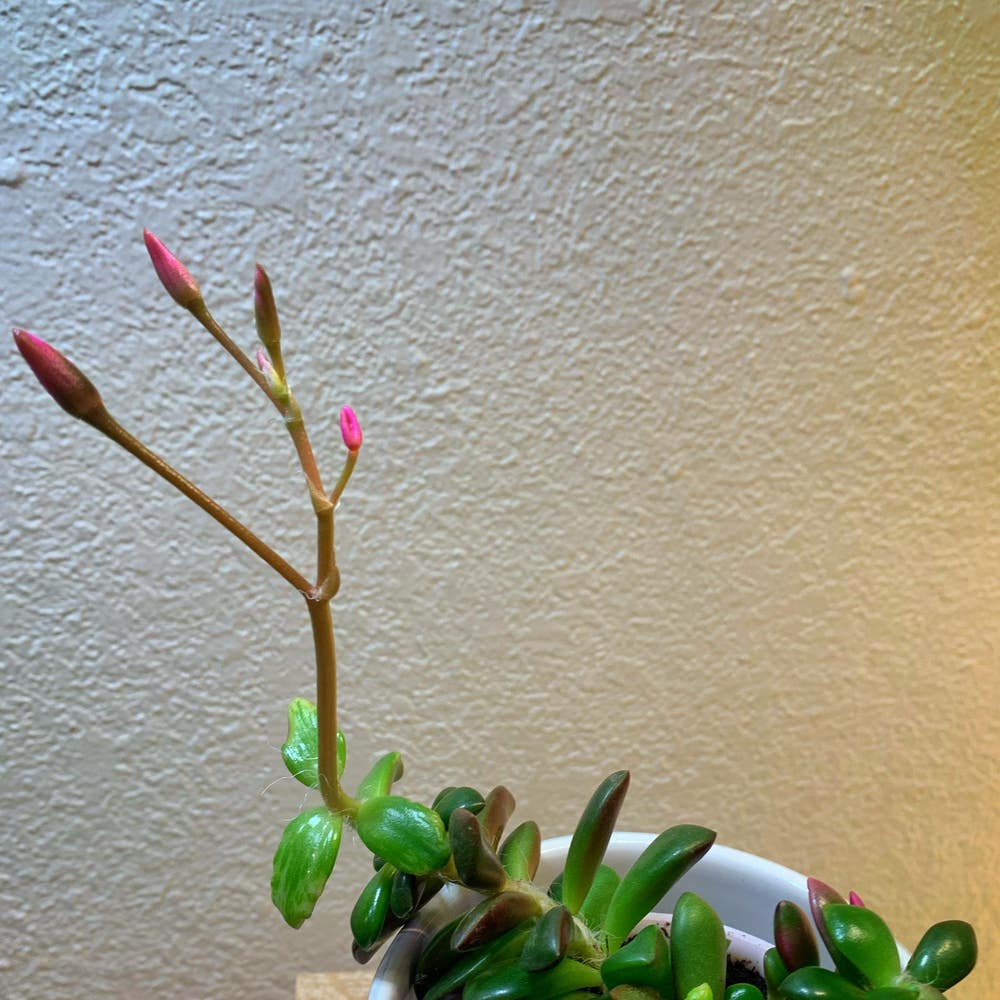
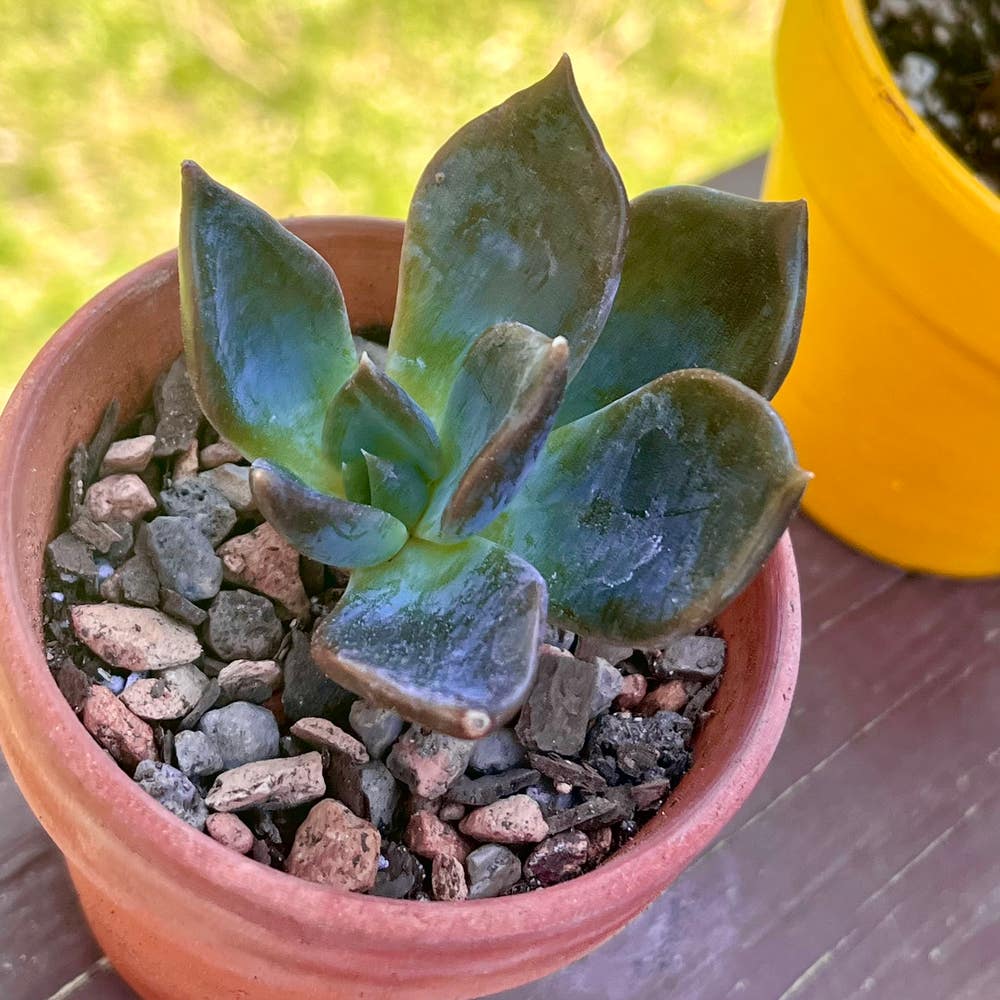
Brown Spots On Anacampseros Telephiastrum 'Sunrise Variegata' Leaves
Anacampseros telephiastrum 'Sunrise Variegata'
By the Greg Editorial Team
Jun 18, 2024•4 min read
This article was created with the help of AI so we can cover more plants for you. May contain errors. See one? Report it here.
- Sun and water balance is key to preventing brown spots.
- Well-draining soil prevents root rot and leaf discoloration.
- Consistent care routine includes pest control and leaf cleaning.
Spotting the Trouble: Identifying Brown Spots
🕵️ Visual Clues: What Do Brown Spots Look Like?
Brown spots on Anacampseros telephiastrum 'Sunrise Variegata' can range from light tan to a deep brown. They may present as dry, papery textures or as soggy, water-soaked blemishes. The spots' edges could be sharp or diffuse, and a yellowish halo might encircle them, signaling potential disease.
🗺️ Location Matters: Where to Find Brown Spots on the Leaves
Check both mature and young leaves for brown spots. They could be hogging the spotlight at the leaf's center, skulking at the tips, or scattered like a rash. Location is a telltale sign; center spots often suggest direct damage, while tip spots might indicate environmental stress.
🚨 Beyond the Spots: Other Symptoms to Watch For
Don't stop at the spots. Look for other symptoms like leaf yellowing, structural weakness in stems, or a deflated appearance. These clues can hint at issues beyond surface blemishes, such as pest infestations or environmental stress. Regular leaf check-ups are your best defense.

The Root of the Problem: Common Causes of Brown Spots
🌞 Sun Struggles: The Impact of Light on Leaf Health
Too much sun can turn your Anacampseros telephiastrum 'Sunrise Variegata' into a crispy critter. Those brown spots? They're like tiny sunburns, a sign your succulent's been basking a bit too long in the solar glory. Moderation is key; think of it as sunscreen for your plant.
💧 Water Woes: How Watering Habits Contribute to Brown Spots
Overwatering is the equivalent of giving your plant a snorkel when it asked for a sip. The roots get overwhelmed, and the distress signal shows up as brown spots on the leaves. Check the soil before watering—dry to the touch is your green light.
🌱 Soil and Drainage: Their Role in Leaf Discoloration
Poor drainage is like wet socks on a cold day; nobody likes it, especially not your Anacampseros. Combine that with the wrong soil mix, and you've got a recipe for root rot and leaf spots. Well-draining soil is your best friend here, ensuring that excess water has a quick escape route.

Fixing the Spots: Effective Treatment Options
🌞 Light Adjustments: Balancing Sun Exposure
Bright, indirect light is the sweet spot for your Anacampseros telephiastrum 'Sunrise Variegata'. If it's basking in too much sun, it's time to play musical chairs and move it to a less intense spot. Gradually introduce it to new lighting conditions to avoid a solar shock. Rotate the pot regularly for even exposure, and if you're using sheer curtains, you're on the right track.
💧 Watering Wisdom: Finding the Right Moisture Balance
Watering is more art than science. Let the soil's top layer dry out before giving your plant a drink. Water at the base to avoid leaf wetness and the subsequent fungal raves. Morning watering is ideal—leaves have time to dry out, and the roots get what they need. Remember, less is more when the temperature drops.
🌱 Soil Solutions: Improving Drainage and Soil Quality
Your plant's roots aren't fans of waterlogged soil. Ensure pots have drainage holes and mix in some perlite or sand to keep things airy. If you're feeling high-tech, a soil moisture meter can be your new best friend. And don't forget to feed your plant with a well-balanced fertilizer—think of it as a multivitamin for your green buddy.

Keeping the Leaves Spotless: Prevention Tips
💫 Care Routine: Best Practices for Ongoing Maintenance
Consistency is your plant's best pal. Regularly wipe down leaves to keep them dust-free and efficient at photosynthesis. Rotate your Anacampseros telephiastrum 'Sunrise Variegata' to ensure even growth and light exposure. Spot a pest? It's eviction time. Keep those tools clean to avoid spreading any trouble.
💧 Watering Schedule: Tailoring to Your Plant's Needs
Watering is more art than science. Adjust for humidity and temperature swings. Aim for soil that's moist but not soggy. Think of it as a sponge that's had a good squeeze. Overwatering invites trouble, so let the topsoil dry out a bit before the next watering session.
🌿 Environmental Control: Ensuring Ideal Growing Conditions
Balance is key. Bright, indirect light will keep your plant's colors popping without the crispy aftermath of a sunburn. If your home is dry, consider a pebble tray to up the humidity without turning your living space into a sauna. And remember, stability is the name of the game—avoid drastic changes to keep your plant stress-free.
⚠️ Safety First
This content is for general information and may contain errors, omissions, or outdated details. It is not medical, veterinary advice, or an endorsement of therapeutic claims.
Always consult a qualified healthcare professional before using any plant as food, medicine, or supplement.
Never eat any plant (or feed one to pets) without confirming its identity with at least two trusted sources.
If you suspect poisoning, call Poison Control (800) 222-1222, the Pet Poison Helpline (800) 213-6680, or your local emergency service immediately.
Spotted an error? Please report it here.
Keep your 'Sunrise Variegata' spot-free 🍃 with Greg's personalized care reminders, ensuring just the right amount of water and sun for a healthy, vibrant succulent.