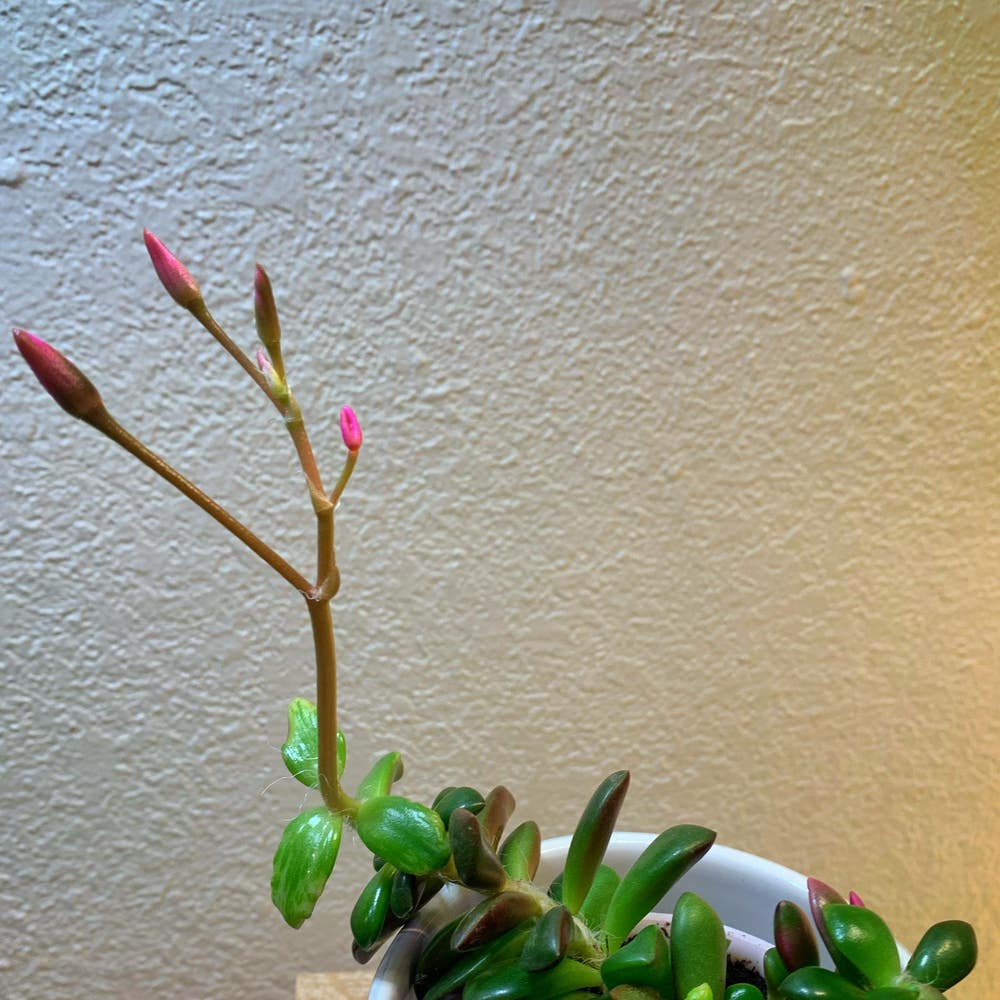
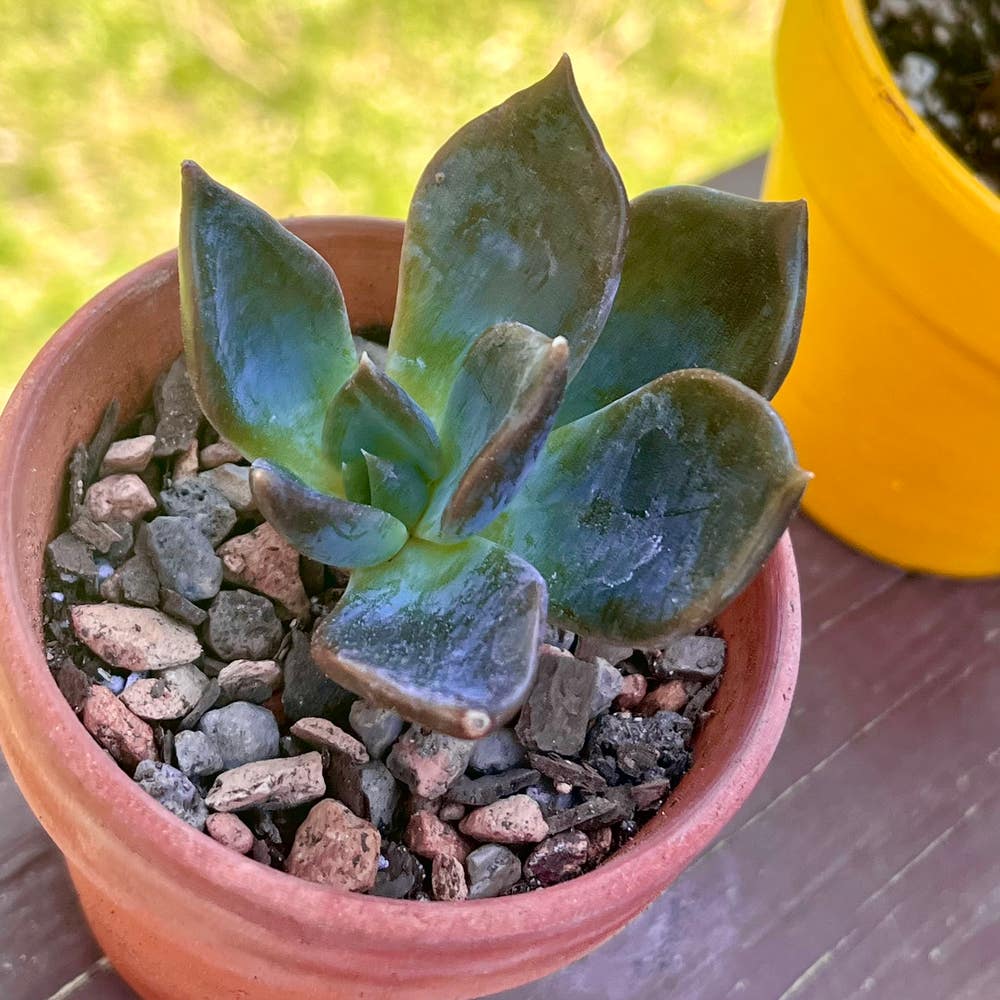
🌅 5 Tips for How to Plant Sunrise Variegated Anacampseros
Anacampseros telephiastrum 'Sunrise Variegata'
By the Greg Editorial Team
Sep 29, 2024•6 min read
This article was created with the help of AI so we can cover more plants for you. May contain errors. See one? Report it here.
- 🌱 Proper planting techniques ensure healthy growth of Sunrise Variegated Anacampseros.
- 🌞 Best planting time is spring or early summer for optimal results.
- 💧 Well-draining soil and careful watering prevent transplant shock and promote resilience.
Importance of Proper Planting Techniques
Proper planting techniques are crucial for the healthy growth and establishment of your Sunrise Variegated Anacampseros. When done right, these techniques set the foundation for vibrant, thriving plants.
🌱 Reducing Transplant Shock
One of the biggest challenges in gardening is transplant shock. By following correct planting methods, you can significantly reduce the risk of your plants struggling to adapt to their new environment.
🌍 Ensuring Adaptation
Healthy planting practices also promote better adaptation to local conditions. This means your plants will be more resilient against pests and diseases, leading to a more robust garden overall.
📈 Long-Term Benefits
Investing time in proper planting pays off in the long run. Healthy plants not only look better but also require less maintenance, allowing you to enjoy your garden without constant worry.
🏁 Conclusion
In summary, mastering the art of planting is essential for the success of your Sunrise Variegated Anacampseros. With the right techniques, you can create a flourishing garden that brings joy and beauty to your space.
Next, let’s dive into the specifics of planting new Sunrise Variegated Anacampseros, starting with the optimal timing for planting.
Planting New Sunrise Variegated Anacampseros
🌱 Optimal Timing for Planting
Spring or early summer is the best time to plant your Sunrise Variegated Anacampseros. During these seasons, temperatures are consistently warm, promoting healthy growth.
Consider your local climate when planning your planting. Avoid extreme heat or frost, as these conditions can hinder the establishment of your new plants.
🪴 Selecting the Right Soil Mix and Containers
For optimal growth, use a well-draining succulent mix. A blend of potting soil, sand, and perlite also works well to ensure your plants thrive.
When container gardening, choose pots with drainage holes. Aim for containers that are 6-8 inches deep to accommodate root growth effectively.
📏 Proper Depth and Spacing for Planting
Ensure the root ball is level with the soil surface when planting. This helps the plant establish itself without complications.
For ground cover, space your plants 12-18 inches apart. If you're arranging them in containers, you can place them closer together for a fuller look.
☀️ Maintaining Ideal Growing Conditions
Your Sunrise Variegated Anacampseros loves full sun exposure, so aim for 6-8 hours of sunlight daily. This will keep your plants vibrant and healthy.
Watering is crucial; allow the soil to dry out between waterings. These plants need minimal water, so be cautious not to overdo it.
🌤️ Hardening Off Process Before Outdoor Planting
Before planting outdoors, gradually expose your plants to the elements. Start with 1-2 hours of outdoor exposure, increasing the time daily over a week.
Keep an eye out for signs of stress, such as wilting or sunburn. This monitoring will help your plants adjust smoothly to their new environment.
With these planting tips, you're well on your way to cultivating beautiful Sunrise Variegated Anacampseros. Next, we’ll explore how to transplant established plants for even more vibrant growth.
Transplanting Established Sunrise Variegated Anacampseros
🌱 Optimal Timing for Transplanting
Transplant your Sunrise Variegated Anacampseros in early spring or fall when temperatures are mild. Avoid extreme weather conditions; cooler parts of the day are ideal for minimizing stress on the plant.
🛠️ Step-by-Step Instructions for Transplanting
- Prepare the new site: Clear any debris and amend the soil if necessary for optimal drainage.
- Water the established plant: Moist soil helps reduce transplant shock, so give it a good drink beforehand.
- Carefully remove the plant: Use a spade to dig around the root zone, ensuring you keep the roots intact.
- Place in the new location: Make sure the root ball is level with the soil surface for proper growth.
🏡 Preparing the New Planting Site
Soil preparation is crucial. Ensure well-draining conditions by amending with sand or perlite if needed.
Maintain adequate spacing; keep plants 12-18 inches apart to allow for optimal growth and airflow.
💧 Tips on Watering, Mulching, and Support
After transplanting, water thoroughly to help the plant settle in. Allow the soil to dry out before the next watering to prevent over-saturation.
Apply a thin layer of mulch to retain moisture and suppress weeds. If your plants are taller, consider using stakes for support until they establish themselves.
Transplanting can be a rewarding process, ensuring your Sunrise Variegated Anacampseros thrives in its new home. With the right timing and care, you'll set the stage for vibrant growth and beauty. Next, let’s explore the benefits and drawbacks of planting versus transplanting.
Benefits and Drawbacks of Planting vs. Transplanting
💰 Cost Considerations
When it comes to cost, new plants typically have a lower initial price tag. However, they often require more time to establish, which can lead to additional expenses in care.
Transplanting established plants may involve costs for soil amendments and tools. Yet, this method can yield quicker results, making it a worthwhile investment.
⏳ Time to Maturity
New plants generally have a longer establishment period. Expect several months before they truly thrive in your garden.
In contrast, transplanting established plants can lead to immediate growth and adaptation. Their existing root systems give them a head start in their new environment.
🌱 Adaptability to Local Growing Conditions
New plants may need time to acclimatize to local conditions. This adjustment period can slow down their growth initially.
On the other hand, established plants often adapt more quickly. Their robust root systems allow them to settle in and flourish without much fuss.
In summary, both planting new and transplanting established Sunrise Variegated Anacampseros have their pros and cons. Understanding these differences can help you make the best choice for your gardening goals.
Next, let's explore how to troubleshoot common issues that may arise during the planting or transplanting process.
Troubleshooting Common Issues
🌱 Transplant Shock
Transplant shock can be a real bummer for your Sunrise Variegated Anacampseros. Look out for symptoms like wilting, yellowing leaves, and stunted growth.
To combat this, ensure you're watering properly. It's also wise to keep your plant out of direct sunlight right after transplanting to help it acclimate.
🏗️ Establishment Problems
If your plant is showing poor growth or seems to be failing to thrive, it might be facing establishment problems. Signs to watch for include lack of new growth or a general droopy appearance.
To address this, check the soil moisture levels. Adjust your watering practices if necessary, ensuring the soil is neither too dry nor too soggy.
🛠️ Solutions for Common Care Issues
Overwatering is a common pitfall, and it can lead to mushy leaves. If you notice this, the remedy is simple: allow the soil to dry out before watering again.
Pest issues can also arise, so keep an eye out for any unwanted visitors. If you spot pests, using insecticidal soap can be an effective solution to keep your plant healthy.
By staying vigilant and addressing these common issues, you can help your Sunrise Variegated Anacampseros thrive in its new home. Next, let’s explore the benefits and drawbacks of planting versus transplanting.
⚠️ Safety First
This content is for general information and may contain errors, omissions, or outdated details. It is not medical, veterinary advice, or an endorsement of therapeutic claims.
Always consult a qualified healthcare professional before using any plant as food, medicine, or supplement.
Never eat any plant (or feed one to pets) without confirming its identity with at least two trusted sources.
If you suspect poisoning, call Poison Control (800) 222-1222, the Pet Poison Helpline (800) 213-6680, or your local emergency service immediately.
Spotted an error? Please report it here.
Plant your Sunrise Variegated Anacampseros like a pro 🌞 with Greg's tailored care tips and reminders, ensuring they flourish in their new home!