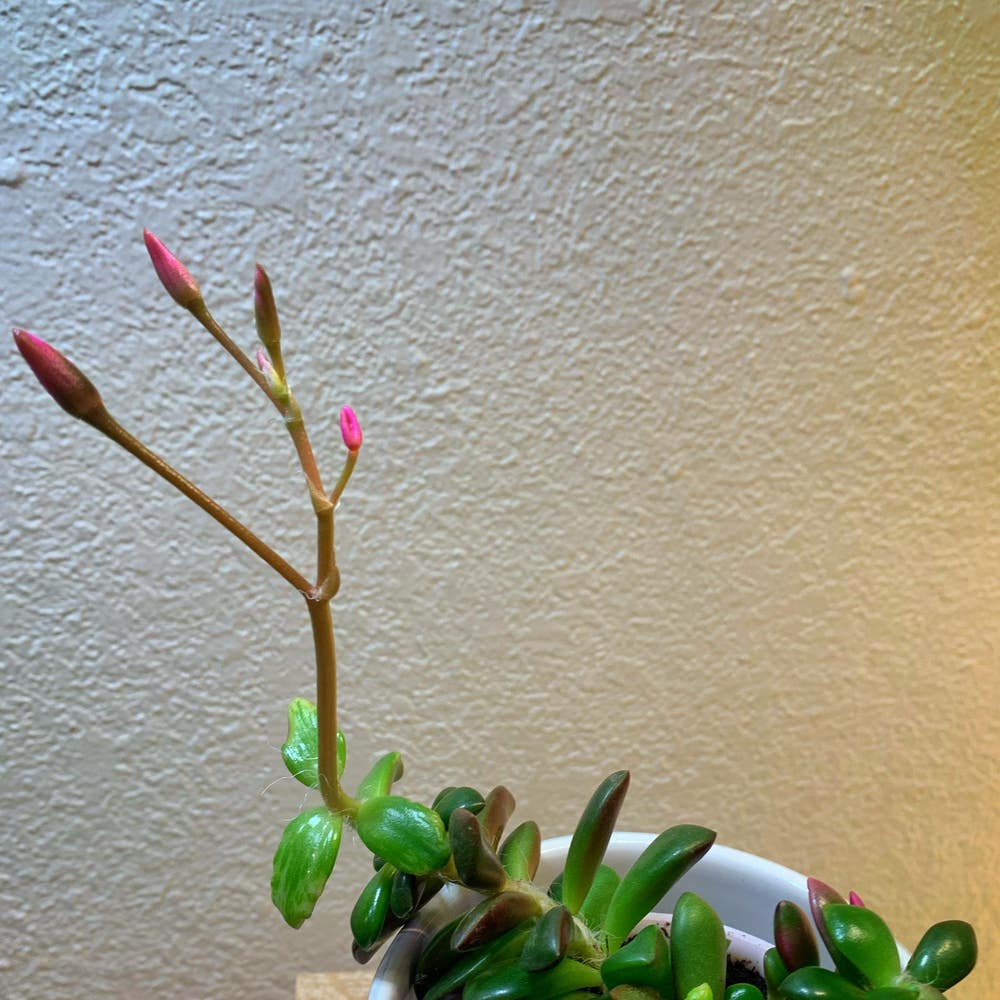
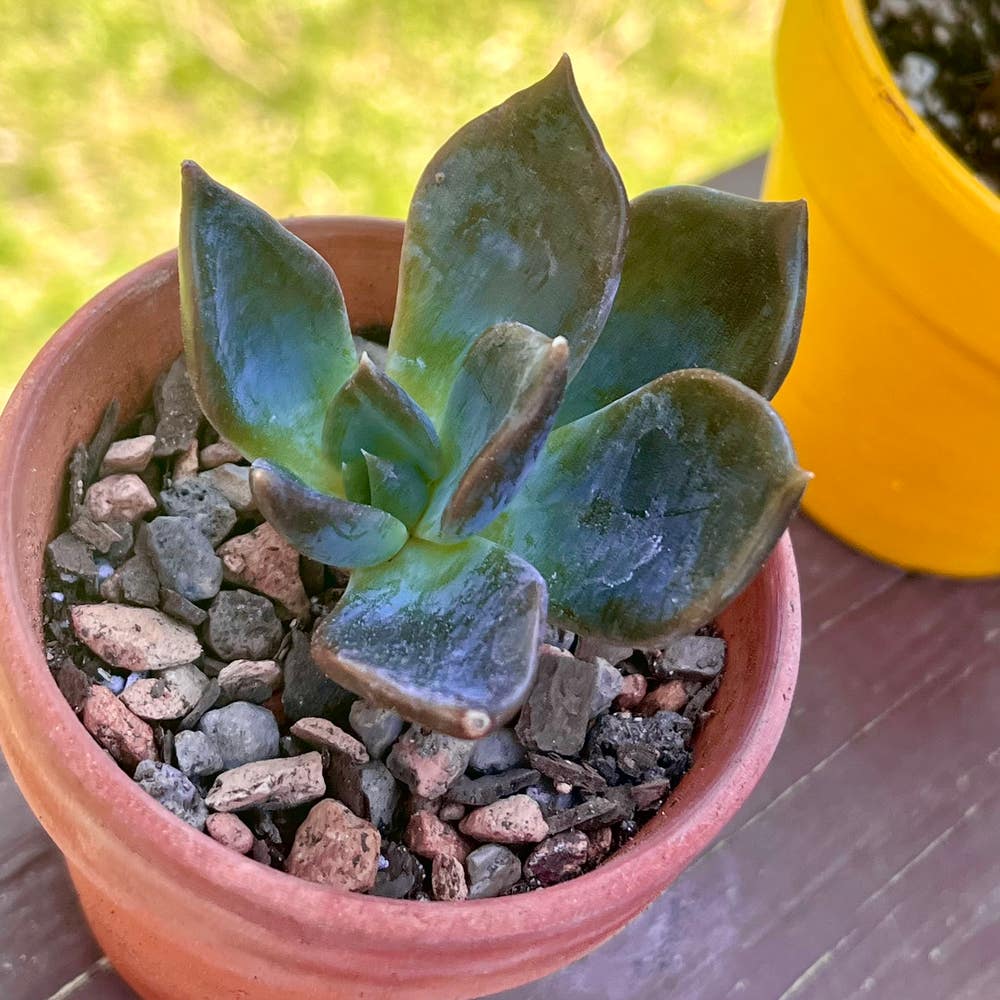
7 Perfect Pot Styles for Sunrise Variegated Anacampseros 🪴
Anacampseros telephiastrum 'Sunrise Variegata'
By the Greg Editorial Team
Sep 29, 2024•6 min read
This article was created with the help of AI so we can cover more plants for you. May contain errors. See one? Report it here.
- 🌱 Use 2-4 inch pots for seedlings; 6-8 inches for mature Sunrise Variegated Anacampseros.
- 🔍 Repot when roots emerge or leaves yellow; spring is the best time.
- 🏺 Choose pot materials wisely—clay for air, plastic for lightweight, ceramic for style.
Pot Sizes for Different Growth Stages
🌱 Recommended Pot Sizes for Seedlings
For seedlings, the ideal container size is between 2 to 4 inches in diameter. Smaller pots are crucial for young plants as they help establish a strong root system.
Starting small encourages root development, allowing seedlings to adapt better to their environment. This approach also minimizes the risk of overwatering, which can be detrimental at this fragile stage.
🌳 Ideal Pot Sizes for Mature Plants
As your Anacampseros matures, you'll want to transition to a container size of 6 to 8 inches in diameter. This size accommodates the plant's growth habits and provides adequate spacing.
Allowing room for spreading growth is essential for the health of mature plants. A larger pot not only supports root expansion but also enhances overall stability.
🔄 Signs That Indicate It's Time to Repot
Watch for signs that your plant may be root-bound, such as roots emerging from the drainage holes. Stunted growth or yellowing leaves can also indicate that the pot size is no longer suitable.
Timing is key when it comes to repotting. Pay attention to seasonal growth patterns, as spring is often the best time to give your plants a fresh start in a new pot.
With these guidelines, you can ensure your Sunrise Variegated Anacampseros thrives at every stage of its growth. Next, let’s explore the ideal pot materials that will complement your plant’s needs.
Ideal Pot Materials
🌱 Benefits of Clay Pots
Clay pots are a favorite among plant enthusiasts for good reason. Their breathability promotes healthy root growth by allowing air exchange, which is crucial for preventing root rot.
Moreover, clay pots naturally regulate moisture levels. This means your Sunrise Variegated Anacampseros can thrive without the constant worry of overwatering, making them a practical choice for both novice and experienced gardeners.
🪴 Advantages of Plastic Pots
Plastic pots are lightweight and incredibly easy to handle. This makes them ideal for those who frequently rearrange their plants or need to move them indoors during colder months.
They are also cost-effective and widely available. However, keep in mind that while they retain moisture well, they may not provide the same insulation benefits as clay pots.
🏺 Comparison of Other Materials
Ceramic pots offer a beautiful aesthetic but can be heavier than their clay and plastic counterparts. They often come in various designs, allowing you to express your style while housing your plants.
Terracotta pots are another option, known for their breathability, but they can dry out quickly. This makes them suitable for succulents like the Sunrise Variegated Anacampseros, but you’ll need to monitor moisture levels closely.
Lastly, consider non-traditional materials like metal or recycled options. While they can add a unique flair, be cautious about their insulation properties and drainage capabilities, as these factors can significantly affect plant health.
In summary, choosing the right pot material is essential for the well-being of your plants. Each option has its pros and cons, so weigh them carefully to find the best fit for your Sunrise Variegated Anacampseros. Next, let’s dive into the crucial topic of drainage considerations to ensure your plants thrive.
Drainage Considerations
🌊 Importance of Drainage Holes
Drainage holes are crucial for preventing overwatering, which can lead to root rot. They allow excess water to escape, ensuring that your Sunrise Variegated Anacampseros thrives.
For optimal performance, aim for at least one drainage hole per pot. A hole diameter of about 1/4 inch is generally sufficient to facilitate proper drainage.
Many believe that pots without drainage holes can still be effective, but this is a misconception. Without drainage, water can accumulate, creating a soggy environment detrimental to plant health.
🚰 How to Ensure Proper Drainage in Pots
To enhance drainage, consider adding materials like gravel or perlite to the bottom of your pot. These additions create air pockets that promote water flow.
Using well-draining soil mixes is equally important. Look for potting mixes specifically designed for succulents, as they allow moisture to escape while retaining essential nutrients.
Before planting, check the drainage effectiveness by watering the soil lightly and observing how quickly the water flows out. This simple step can save you from future headaches.
⚠️ Common Drainage Issues and Solutions
Signs of poor drainage include water pooling at the surface and symptoms of root rot, such as yellowing leaves. If you notice these issues, it's time to take action.
To improve drainage in existing pots, consider repotting with a better soil mix or adding drainage materials. Sometimes, simply elevating the pot slightly can help excess water escape.
For potting techniques that enhance drainage, always ensure that your chosen pot has adequate holes and consider using a layer of coarse material at the bottom. This will help maintain a healthy environment for your plants.
With proper drainage in place, your Sunrise Variegated Anacampseros will flourish, setting the stage for the next important aspect: repotting techniques.
Repotting Techniques
When to Repot 🌱
Timing is crucial when it comes to repotting your Sunrise Variegated Anacampseros. Spring is generally the best season for this task, as the plant is waking up from dormancy and ready to grow.
Look for indicators that suggest it’s time to repot. If you notice stunted growth or roots emerging from the drainage holes, it’s a clear sign that your plant needs more space.
Step-by-Step Guide to Repotting 🛠️
- Gather necessary materials: Before you start, collect a new pot, fresh soil, and your gardening tools.
- Remove the plant from its current pot carefully: Gently loosen the soil around the edges to avoid damaging the roots.
- Inspect roots for health and trim if necessary: Healthy roots should be white and firm; trim any brown or mushy ones.
- Place in new pot with appropriate soil mix: Ensure the new pot is the right size and fill it with a well-draining soil mix.
- Water lightly and place in suitable light conditions: After repotting, give it a light watering and position it in a spot with indirect sunlight.
Choosing the Right Pot During Repotting 🪴
Selecting the right pot is essential for your plant's health. Consider factors like size, material, and drainage capabilities to ensure optimal growth.
Match the pot choice to your plant's growth stage. A larger pot is necessary for mature plants, while smaller pots are ideal for seedlings.
Lastly, think about aesthetics. Choose pots that not only support the plant's health but also enhance its visual appeal in your space.
⚠️ Safety First
This content is for general information and may contain errors, omissions, or outdated details. It is not medical, veterinary advice, or an endorsement of therapeutic claims.
Always consult a qualified healthcare professional before using any plant as food, medicine, or supplement.
Never eat any plant (or feed one to pets) without confirming its identity with at least two trusted sources.
If you suspect poisoning, call Poison Control (800) 222-1222, the Pet Poison Helpline (800) 213-6680, or your local emergency service immediately.
Spotted an error? Please report it here.
Keep your Sunrise Variegated Anacampseros thriving 🌱 by using Greg for tailored potting tips and timely reminders that ensure your plant gets the care it deserves!