8 Winter Threats to Your Sunrise Variegated Anacampseros ❄️
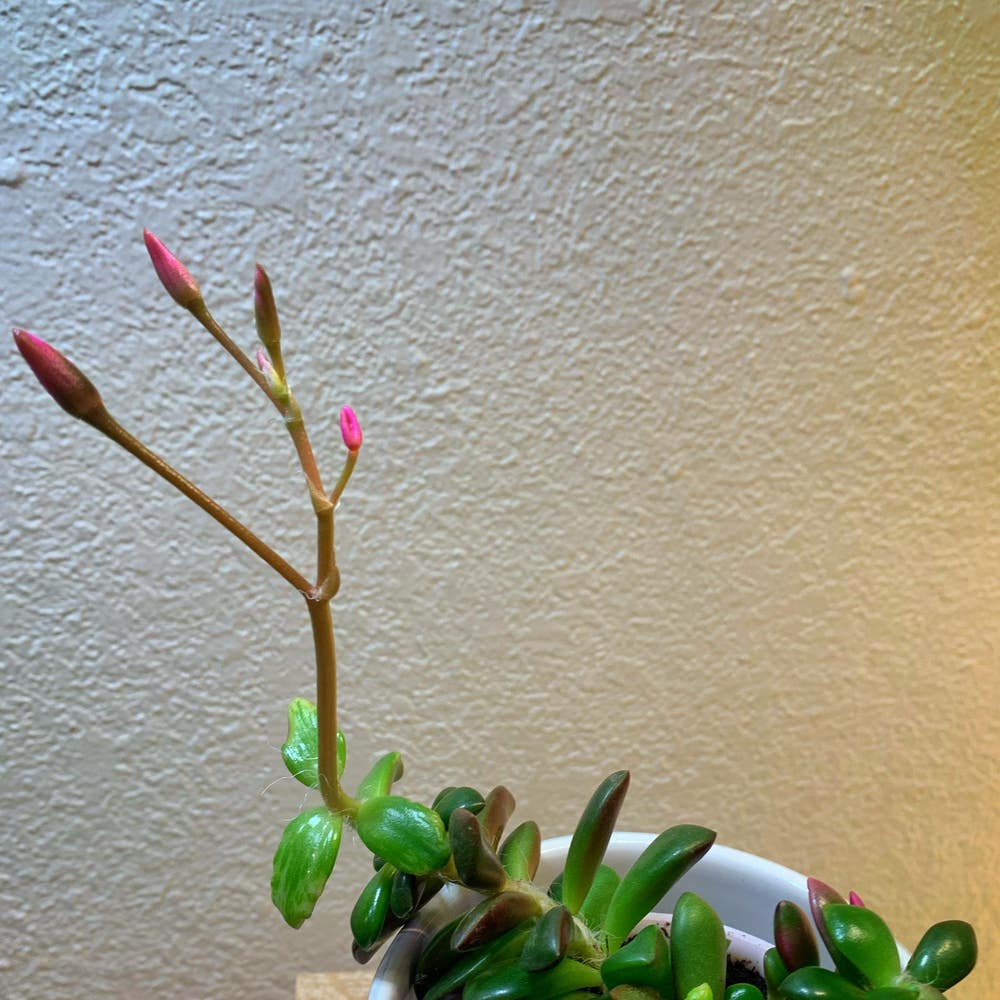
Anacampseros telephiastrum 'Sunrise Variegata'
By the Greg Editorial Team
Sep 29, 2024•5 min read
This article was created with the help of AI so we can cover more plants for you. May contain errors. See one? Report it here.
- ❄️ Frost protection is vital for Sunrise Variegated Anacampseros; they’re cold-sensitive.
- 💧 Water less frequently in winter to prevent overwatering and root rot.
- 🌞 Bright, indirect light is essential indoors; consider grow lights if needed.
Winter Care Requirements
❄️ Frost protection strategies
Frost protection is crucial for your Sunrise Variegated Anacampseros. These plants are sensitive to cold, and taking preventive measures can save them from damage.
Outdoor frost protection methods
- Covering with frost cloth or burlap: This acts as a barrier against freezing temperatures.
- Using cloches or mini-greenhouses: These create a microclimate that retains warmth.
- Relocating pots to sheltered areas: Move them to spots that are shielded from harsh winds and frost.
Indoor frost protection
- Placing near windows with indirect light: This ensures they get enough light without the chill.
- Avoiding drafts from doors and windows: Keep your plants away from cold air to maintain a stable environment.
💧 Adjusting watering schedules during winter
During winter, reduce your watering frequency to every 3-4 weeks. This helps prevent overwatering, which can be detrimental during dormancy.
Signs of overwatering
Look out for yellowing leaves and mushy stems. These are clear indicators that your plant is receiving too much moisture.
Recommended watering techniques
Use the soaking method: allow the soil to dry completely before re-watering. This ensures your plant gets the right amount of hydration without the risk of root rot.
🌱 Fertilizing considerations for winter months
As a general rule, avoid fertilizing during dormancy. This allows your plant to rest and conserve energy.
Exceptions to the rule
If you notice growth resuming, you can use a diluted liquid fertilizer. This can provide a much-needed nutrient boost.
Importance of nutrient balance
Maintaining a balanced nutrient profile is essential for spring recovery. This sets the stage for healthy growth as the weather warms up.
With these winter care strategies, your Sunrise Variegated Anacampseros will be well-prepared to thrive. Next, let’s explore the best indoor conditions to keep your plant happy during the colder months.
Indoor Winter Care
🌡️ Best indoor conditions for Anacampseros
To keep your Sunrise Variegated Anacampseros thriving indoors during winter, aim for a temperature range of 15°C to 20°C (59°F to 68°F). Maintaining low humidity is crucial to prevent rot, so consider using a dehumidifier if necessary.
The right soil is equally important. A well-draining potting mix will help ensure your plant's roots stay healthy and avoid waterlogged conditions.
☀️ Light requirements for indoor winter care
Your Anacampseros craves bright, indirect sunlight to flourish indoors. If you notice signs of inadequate light, such as stretching or leggy growth, it’s time to reassess its location.
Fading leaf color can also indicate insufficient light. To combat this, consider using grow lights to supplement natural light, and remember to rotate your plants regularly for even exposure.
🏁 Conclusion
By providing the right indoor conditions and light, your Sunrise Variegated Anacampseros will not only survive but thrive through the winter months. Next, we'll explore how to identify signs of winter damage and what steps to take for recovery in spring.
Spring Preparation and Recovery
🌨️ Signs of winter damage in Anacampseros
As spring approaches, it's crucial to check your Sunrise Variegated Anacampseros for signs of winter damage. Look for blackened or mushy leaves, which indicate frostbite, and be alert for any leaf drop or wilting.
Assessing the overall health of your plant post-winter is essential. A quick inspection can help you determine if your Anacampseros is ready to thrive again.
🌱 Steps for recovery and rejuvenation in spring
Pruning damaged leaves and stems: Start by trimming away any frost-damaged foliage. This encourages new growth and helps the plant focus its energy on healthy parts.
Gradually increasing watering frequency: After a period of dormancy, slowly reintroduce water. Begin with a light soak and increase frequency as the plant shows signs of recovery.
Reintroducing fertilizer after dormancy: Once you notice new growth, it's time to feed your plant. Use a balanced fertilizer to support its rejuvenation.
Monitoring for pests and diseases: Keep a close eye on your plant for any signs of pests or diseases. Early detection is key to maintaining a healthy Anacampseros.
These steps will help ensure your Sunrise Variegated Anacampseros bounces back beautifully as the warmer months arrive. With a little care, your plant will be ready to flourish in the spring sunshine.
Common Winter Problems and Solutions
🥶 Identifying Frost Damage
Frost damage can sneak up on your Sunrise Variegated Anacampseros, so knowing the symptoms is crucial. Look for discoloration of leaves, which may turn black or brown, and a soft, mushy texture that indicates serious trouble.
Early detection is key for recovery. The sooner you spot these signs, the better your chances of saving your plant.
💧 Solutions for Overwatering During Dormancy
Adjusting your watering schedule is essential during winter dormancy. Pay attention to temperature and humidity; cooler, drier conditions mean less frequent watering.
Watch for signs of overwatering, such as root rot symptoms or yellowing leaves. If you notice these issues, consider repotting your plant in fresh, dry soil to give it a fighting chance.
Allow the roots to dry out completely before re-watering. This will help prevent further damage and promote healthier growth when spring arrives.
By staying vigilant and proactive, you can tackle these common winter problems effectively. Next, we’ll explore how to prepare your Anacampseros for a vibrant spring recovery.
Geographic Considerations
❄️ Cold Hardiness Zones for Sunrise Variegated Anacampseros
The Sunrise Variegated Anacampseros thrives best in USDA hardiness zones 9-11. If you live in colder climates, this means you'll need to take extra precautions to protect your plant during winter.
🧣 Regional Tips for Winter Care Based on Climate
For those in colder regions, it's crucial to bring your Anacampseros indoors before the frost hits. Additionally, using heat mats can provide extra warmth and help your plant survive the chill.
In milder climates, the focus shifts to minimal protection. Ensure good drainage and adjust your watering schedule to keep your plant healthy throughout the winter months.
Understanding your geographic zone and climate can make all the difference in keeping your Sunrise Variegated Anacampseros thriving. With the right strategies, you can enjoy this beautiful plant year-round.
Next, let’s explore the signs of winter damage and how to assess your plant's health as spring approaches.
⚠️ Safety First
This content is for general information and may contain errors, omissions, or outdated details. It is not medical, veterinary advice, or an endorsement of therapeutic claims.
Always consult a qualified healthcare professional before using any plant as food, medicine, or supplement.
Never eat any plant (or feed one to pets) without confirming its identity with at least two trusted sources.
If you suspect poisoning, call Poison Control (800) 222-1222, the Pet Poison Helpline (800) 213-6680, or your local emergency service immediately.
Spotted an error? Please report it here.
Keep your Sunrise Variegated Anacampseros thriving this winter ❄️ with Greg's tailored watering alerts and frost protection tips that ensure your plant stays healthy and happy!