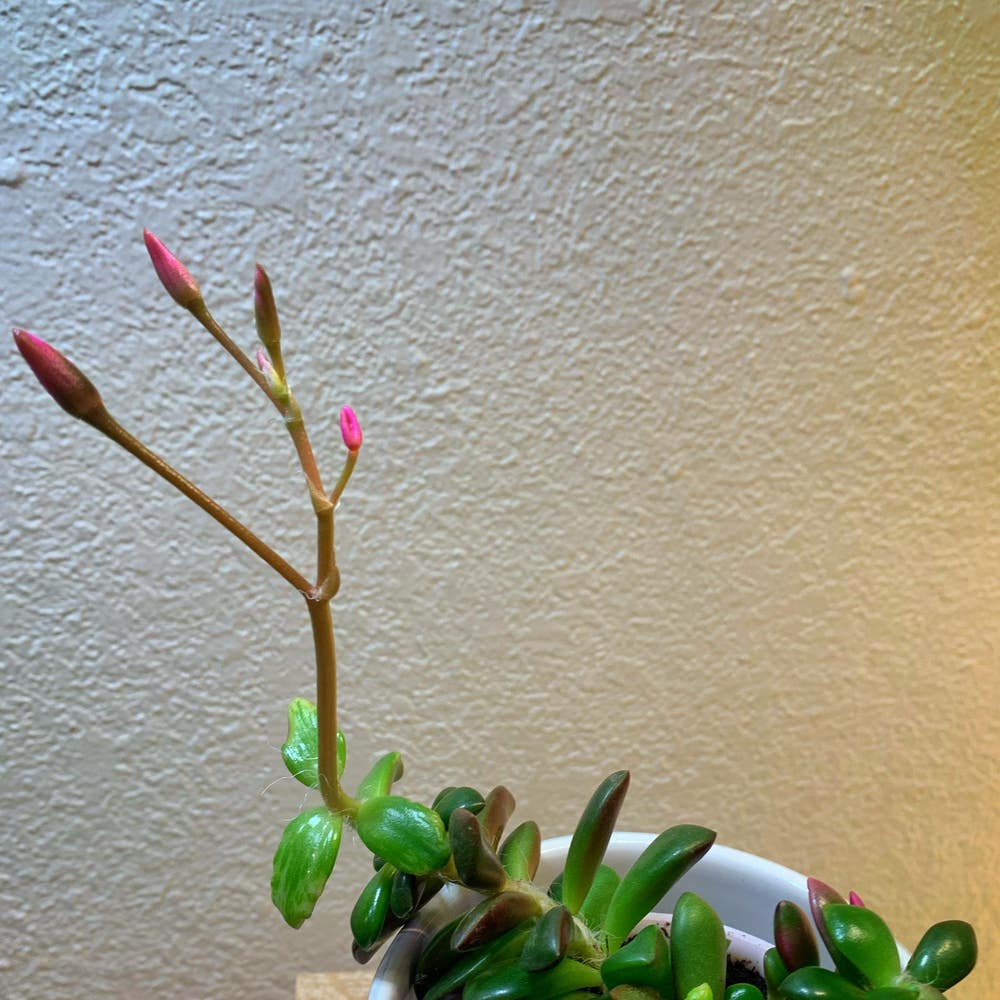
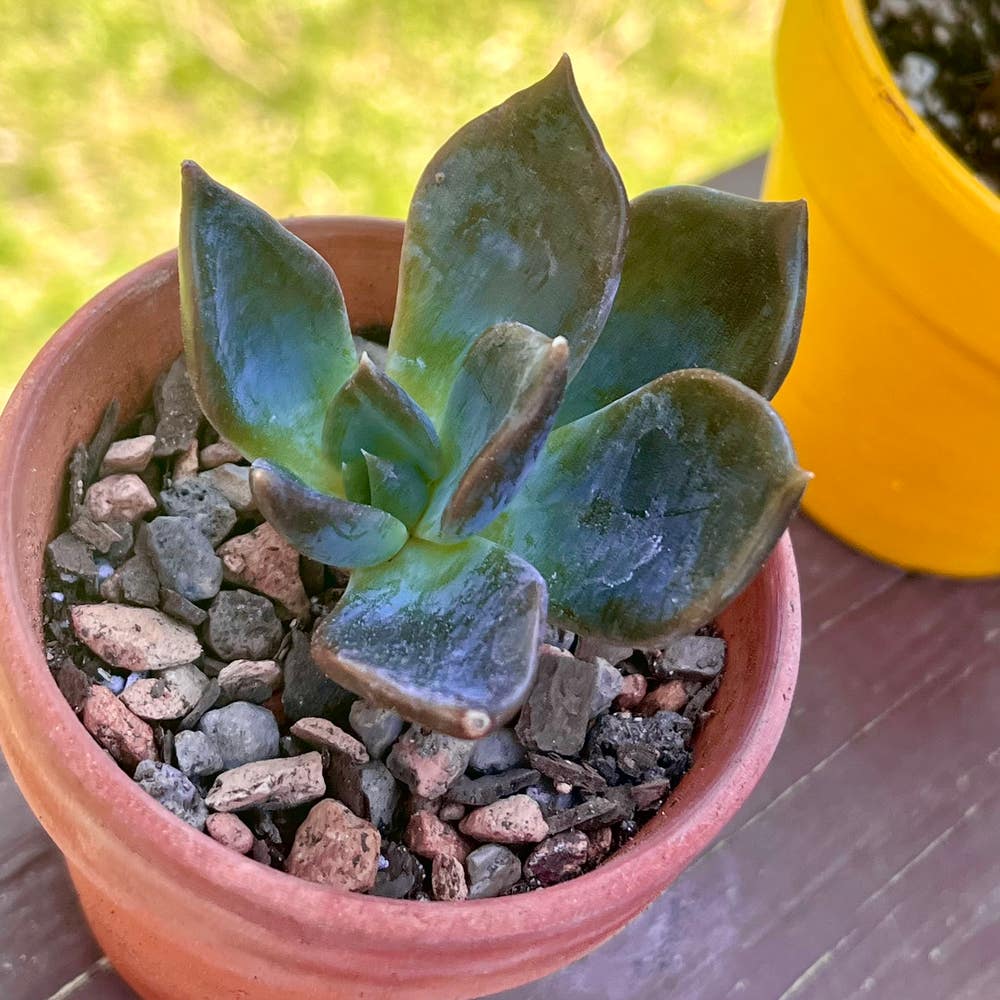
Anacampseros Telephiastrum 'Sunrise Variegata' Humidity
Anacampseros telephiastrum 'Sunrise Variegata'
By the Greg Editorial Team
Jun 18, 2024•3 min read
This article was created with the help of AI so we can cover more plants for you. May contain errors. See one? Report it here.
- 40-50% humidity ideal for 'Sunrise Variegata' vibrant growth.
- 🌵 Crispy or limp leaves? Check your plant's humidity levels.
- Pebble trays and plant buddies boost humidity; airflow and dehumidifiers manage excess.
Decoding Humidity for Your 'Sunrise Variegata'
💧 Absolute vs. Relative Humidity: What Matters for Your Plant
Absolute humidity is the straight-up measure of water vapor in the air. Think of it as the moisture content in a sponge, regardless of the sponge's size. It's a static number, not swayed by temperature shifts. But for your 'Sunrise Variegata', absolute humidity is like background noise—it's relative humidity that takes center stage.
Relative humidity is the percentage of water vapor in the air compared to what it could hold at a specific temperature. It's the comfort gauge for your plant, affecting how well it can breathe and drink in its environment. As temperature climbs, the air can hold more moisture, which means relative humidity can change even if the moisture content stays the same.
🌍 Why Local Humidity Matters
Local humidity is the stage setting for your 'Sunrise Variegata's' daily performance. Use a hygrometer to get the lowdown on your home's humidity levels. Position it away from direct sunlight and drafts to avoid skewed readings.
Monitor the ebb and flow of humidity throughout the day to understand the rhythm of your indoor climate. This detective work helps you find the optimal spot for your plant. Seasonal shifts can bring significant changes in indoor humidity, so stay vigilant and adjust your care routine to maintain consistent conditions. Remember, your 'Sunrise Variegata' craves stability—sudden changes in humidity can be as jarring as a record scratch in a tranquil melody.

Nailing the Perfect Humidity Range
🌿 The Sweet Spot for 'Sunrise Variegata'
Anacampseros telephiastrum 'Sunrise Variegata' thrives in a relative humidity (RH) range of 40-50%. This level mimics their natural habitat and promotes vibrant growth. Use a hygrometer to monitor the RH and ensure your plant's environment stays within this sweet spot.
🚨 Signs of Humidity Distress
Watch for crispy leaves or limpness—these are cries for help. Crispiness indicates too little humidity, while limpness suggests too much moisture. Adjusting your care routine promptly can prevent further stress and keep your 'Sunrise Variegata' in prime condition.

Boosting Humidity for Happy 'Sunrise' Leaves
🌴 Creating a Mini Oasis
Pebble trays are a no-fuss way to up the humidity. Just fill a tray with pebbles, pour in some water, and place your 'Sunrise Variegata' on top. The water evaporates, giving your plant a humidity hug without the risk of root rot.
🌿 Plant Buddies and Humidifiers
Grouping your 'Sunrise Variegata' with other plants can create a microclimate. It's like each plant is throwing off its own little humidity party. For a more controlled environment, a humidifier can be your go-to, just remember to keep it clean to avoid any moldy surprises.

When There's Too Much Moisture in the Air
💨 Airflow is Your Friend
Ensuring proper air circulation is crucial when managing high humidity for your Anacampseros telephiastrum 'Sunrise Variegata'. A stagnant environment is a playground for fungal diseases and rot. Deploy an oscillating fan to keep the air moving, which is a simple yet effective strategy to prevent moisture-related issues.
🌬️ The Role of Dehumidifiers
In cases where airflow alone doesn't cut it, a dehumidifier steps in as the moisture police. It's essential to use one when you notice signs of excessive humidity, such as leaves that feel too soft or look overwatered. Positioning a dehumidifier in the room can help maintain the ideal humidity level for your 'Sunrise Variegata', ensuring it doesn't suffer from the damp air. Remember, the goal is to replicate the dry conditions this succulent loves, not to recreate a rainforest.
⚠️ Safety First
This content is for general information and may contain errors, omissions, or outdated details. It is not medical, veterinary advice, or an endorsement of therapeutic claims.
Always consult a qualified healthcare professional before using any plant as food, medicine, or supplement.
Never eat any plant (or feed one to pets) without confirming its identity with at least two trusted sources.
If you suspect poisoning, call Poison Control (800) 222-1222, the Pet Poison Helpline (800) 213-6680, or your local emergency service immediately.
Spotted an error? Please report it here.
Keep your 'Sunrise Variegata' thriving 🌄 with Greg's precise humidity tracking and custom care alerts, ensuring it's always in its ideal environment.