How to Prune Anacampseros telephiastrum 'Sunrise Variegata'
Anacampseros telephiastrum 'Sunrise Variegata'
By the Greg Editorial Team
Jun 18, 2024•4 min read
This article was created with the help of AI so we can cover more plants for you. May contain errors. See one? Report it here.
- Prune in early spring for lush growth and uninterrupted flowering.
- ✂️ Use sterilized tools to trim back leggy stems at a 45-degree angle.
- Propagate cuttings and provide consistent post-pruning care for success.
Timing Your Trim: When to Prune
Spring into action when spring arrives; that's your green light for pruning Anacampseros telephiastrum 'Sunrise Variegata'. This succulent enters its growth spurt as the days lengthen and the temperature warms, making it the ideal time to encourage lush, vibrant growth through strategic trimming.
🌱 Seasonal Savvy
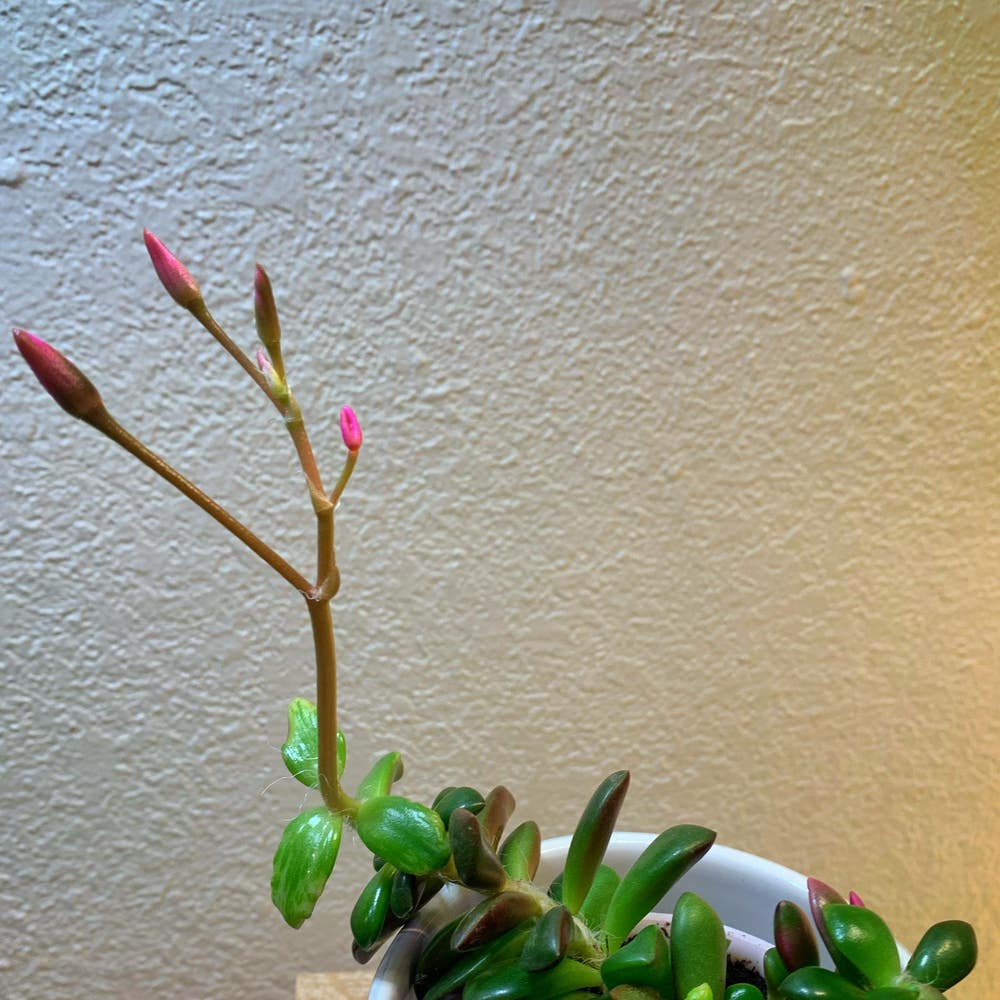
Prune when your plant is waking up, not when it's throwing a bloom party or sweating under the summer sun. Early spring is the sweet spot, just as your 'Sunrise Variegata' shakes off its winter slumber. This timing allows the plant to heal and burst forth with new energy without interrupting its natural flowering cycle.
🌿 Growth Check
Keep an eagle eye on your succulent's growth. When it starts to look more like a wild child than a well-coiffed botanical buddy, it's time for a trim. Leggy stems and overgrown foliage are your cues. Remember, never go Edward Scissorhands on it; a gentle shaping is all it needs.

The Right Cut: Pruning Techniques
✂️ Tools of the Trade
Sharp scissors or pruning shears are non-negotiable. They're the plant's surgeons, and just like in an operating room, sterilization is critical. Wipe down your tools with isopropyl alcohol or a bleach solution before and after use. This isn't just a suggestion; it's a rule to live by if you want to avoid introducing diseases to your 'Sunrise Variegata'.
Snip Snip Hooray: Making the Cut
When it comes to trimming, think of it as a strategic game. Leggy growth is your cue to cut back to a node, prompting a fuller plant. Spot a damaged leaf? It's got to go. Make your cuts just above a leaf node at a 45-degree angle to prevent water from pooling and causing rot. And remember, removing more than a third of the plant is a no-go. It's about precision, not decimation.

Propagation Station: Pruning to Multiply
🌱 Cuttings 101: Turning Trimmings into Treasure
When pruning your Anacampseros telephiastrum 'Sunrise Variegata', don't discard those trimmings. They're not just plant leftovers; they're the start of new life. Select cuttings with healthy nodes, as these are your tickets to propagation city.
🌿 Rooting for Success: Encouraging Your Cuttings to Take Hold
Water or soil? That's your call. Water lets you witness the rooting theater live, while soil is more of a set-it-and-forget-it gig. If you choose soil, keep it moist but not soggy, or your cuttings will protest by withering away. Bright, indirect light is the sweet spot for your baby plants. And remember, space is kindness—crowding can invite unwanted fungal gatecrashers.
Rooting hormone isn't essential, but it's like a growth supercharger for your cuttings. Once roots appear, transfer them to small pots with a well-draining mix. This is where your cuttings start their journey from trimmings to treasure.

Post-Pruning Pampering: Aftercare
🌱 The Recovery Room: Helping Your 'Sunrise Variegata' Bounce Back
After pruning your Anacampseros telephiastrum 'Sunrise Variegata', it's time for some TLC. This succulent needs a stable environment to thrive post-trim. Ensure it's placed in a spot with consistent light and temperature, akin to a plant's version of a recovery room. Avoid direct sunlight that can scorch its delicate leaves, and keep the watering consistent but moderate to prevent root rot.
👀 Watchful Eye: Spotting Signs of Success
New growth is the green thumbs-up you're looking for. It signals your 'Sunrise Variegata' is on the mend. But stay alert for any signs of distress, like drooping or discolored leaves. If you notice anything amiss, don't hesitate to adjust care. Remember, the plant's recovery is a reflection of your attentiveness. Keep the soil lightly moist and watch for those vibrant new rosettes to emerge as proof of successful aftercare.
⚠️ Safety First
This content is for general information and may contain errors, omissions, or outdated details. It is not medical, veterinary advice, or an endorsement of therapeutic claims.
Always consult a qualified healthcare professional before using any plant as food, medicine, or supplement.
Never eat any plant (or feed one to pets) without confirming its identity with at least two trusted sources.
If you suspect poisoning, call Poison Control (800) 222-1222, the Pet Poison Helpline (800) 213-6680, or your local emergency service immediately.
Spotted an error? Please report it here.
Prune your Anacampseros 'Sunrise Variegata' like a pro 🌿 and let Greg guide you through the aftercare for lush, vibrant growth.