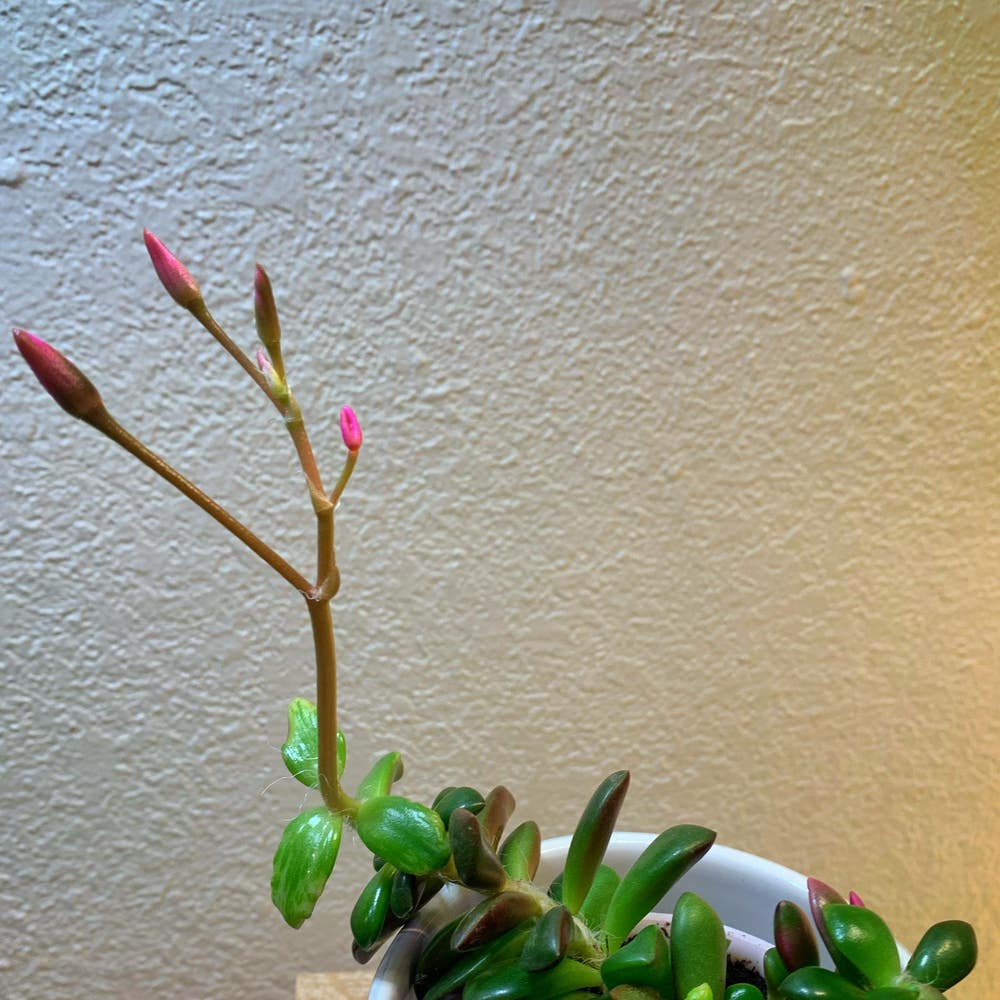
Anacampseros Telephiastrum 'Sunrise Variegata' Root Rot
Anacampseros telephiastrum 'Sunrise Variegata'
By the Greg Editorial Team
Jun 18, 2024•4 min read
This article was created with the help of AI so we can cover more plants for you. May contain errors. See one? Report it here.
- 🍂 Yellow leaves and wilting signal root rot in 'Sunrise Variegata'.
- 🚿 Overwatering and poor drainage are the main culprits.
- ✂️ Immediate action: remove rot, disinfect roots, and use well-draining soil.
Spotting the Trouble: Signs and Causes of Root Rot
🚨 Identifying Symptoms
Yellowing leaves on your Anacampseros telephiastrum 'Sunrise Variegata' are like a distress flare shot into the sky. Wilting is another sign that your succulent is not just throwing a tantrum; it's in trouble. When you dig a little deeper, literally, you might find roots that are mushy and discolored, a surefire sign that all is not well in root-town. And if your nose wrinkles at a foul smell coming from the soil, that's the olfactory confirmation of root rot.
🕵️ Tracing the Causes
Overwatering is the usual suspect when it comes to root rot. These succulents need a drink, but not a bath. They prefer their soil on the drier side, much like a good martini. Then there's the issue of poor soil drainage. If water is pooling around like a mini swamp, you're basically rolling out the red carpet for root rot. Ensuring proper drainage is like giving your plant a life jacket in a sea of potential overwatering.

Taking Action: Treating Root Rot in 'Sunrise Variegata'
🚑 Immediate First Aid
Root triage is the first step in the emergency room for your 'Sunrise Variegata'. If you've spotted mushy roots or a foul smell, it's time to act fast. Remove the plant from its pot and gently rinse the roots to assess the damage. With sterilized shears, cut away all the rotted parts. Think of it as a surgical removal of the infected tissue.
After the amputation, consider giving the healthy roots a quick dip in a 3% hydrogen peroxide solution. This isn't a spa treatment; it's a disinfectant to prevent further infection. Let the plant's roots air out and dry before moving on to the next step.
Soil switcheroo is crucial. Toss the old, contaminated soil and replace it with a fresh, well-draining mix. This isn't just a change of scenery for your plant; it's a life-saving move. Ensure the new pot has adequate drainage holes to prevent future waterlogging.
🏥 Long-term Plant Rehab
Drying out is not neglect; it's necessary for recovery. After repotting, resist the urge to water immediately. Allow the soil to stay dry and let the plant focus on healing. Only water when the topsoil is dry to the touch, and even then, go easy on the hydration.
To isolate or not? That is the question. If you have other plants, consider keeping the patient in quarantine. This isn't about being antisocial; it's about preventing the spread of any potential pathogens. Monitor your 'Sunrise Variegata' closely during this period and look for signs of new growth as an indicator of recovery.

Keeping It Safe: Preventing Future Root Rot
💧 Watering Wisdom
Crafting the perfect watering schedule for 'Sunrise Variegata' is more art than science. It's about observing and responding to your plant's needs. Water only when the top inch of soil is dry—stick your finger in to test it. Consider the seasons; your succulent sips less in winter. Use moisture meters to take the guesswork out of watering, but don't ignore your instincts. They're your best tool.
🛠 Tools of the Trade
Besides your trusty finger, moisture meters are invaluable. They provide a digital readout of soil moisture levels, so you know exactly when to water. For the tech-savvy, calendar alerts can remind you to check soil moisture, but always verify before you water. Waterproof saucers are great too—no excess water means no soggy soil.
🌱 Soil and Surroundings
Choosing the right soil mix is crucial for drainage. Mix peat, perlite, and vermiculite for a blend that drains quickly and prevents water from overstaying its welcome. Ensure your pot has drainage holes; they should let water out like it's fleeing a sinking ship.
🌿 Environmental Tweaks
Your 'Sunrise Variegata' needs the right light and airflow to prevent root rot. Bright, indirect sunlight is ideal. Good airflow keeps the soil's surface dry, discouraging mold and rot. Consider the pot, too. Terracotta breathes better than plastic, giving moisture an escape route.

⚠️ Safety First
This content is for general information and may contain errors, omissions, or outdated details. It is not medical, veterinary advice, or an endorsement of therapeutic claims.
Always consult a qualified healthcare professional before using any plant as food, medicine, or supplement.
Never eat any plant (or feed one to pets) without confirming its identity with at least two trusted sources.
If you suspect poisoning, call Poison Control (800) 222-1222, the Pet Poison Helpline (800) 213-6680, or your local emergency service immediately.
Spotted an error? Please report it here.
Prevent root rot 🛑 in your Anacampseros 'Sunrise Variegata' by letting Greg tailor a watering plan that adapts to your home's unique conditions, keeping your succulent thriving.