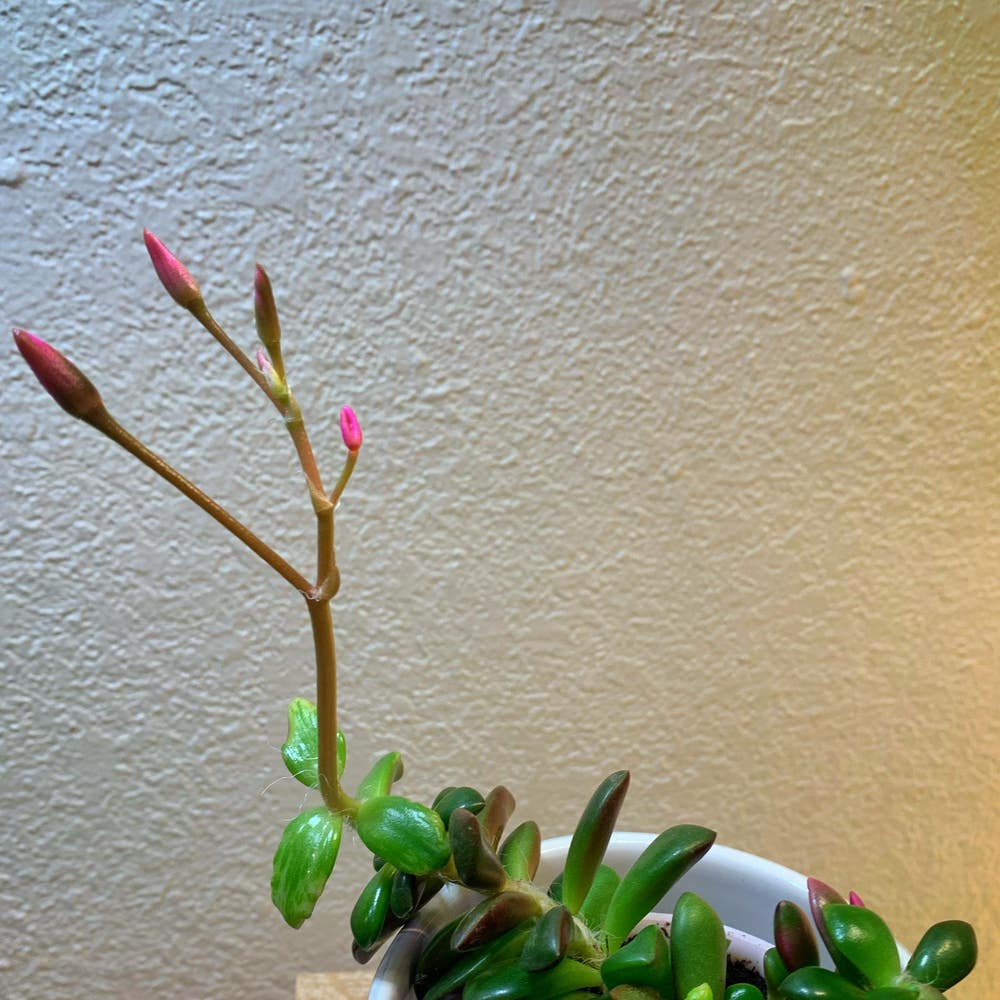
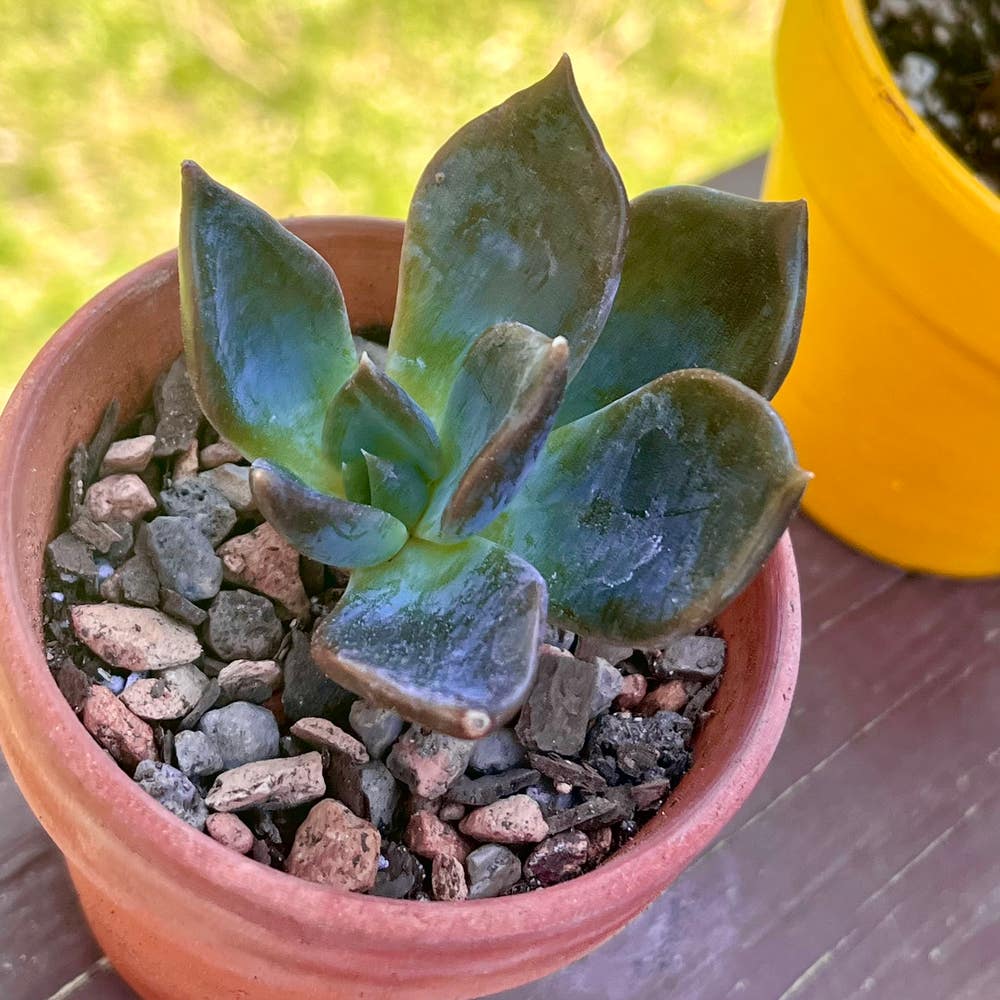
Anacampseros Telephiastrum 'Sunrise Variegata' Direct Sunlight
Anacampseros telephiastrum 'Sunrise Variegata'
By the Greg Editorial Team
Jun 18, 2024•3 min read
This article was created with the help of AI so we can cover more plants for you. May contain errors. See one? Report it here.
- 🌈 Bright, indirect light keeps 'Sunrise Variegata' vibrant.
- 🌞 Direct sun scorches leaves; use sheer curtains to protect.
- 🔄 Rotate and reposition seasonally for perfect light exposure.
How 'Sunrise Variegata' Soaks Up the Sun
🌞 The Plant's Sunlight Profile
Anacampseros telephiastrum 'Sunrise Variegata' thrives in bright, indirect light. Direct sunlight can be too harsh, leading to scorched leaves, while insufficient light dulls its vibrant colors.
🌅 Direct vs. Indirect Sunlight
'Sunrise Variegata' prefers a Goldilocks zone of light—not too direct, not too dim. Bright, indirect sunlight is the sweet spot, ensuring vivid variegation without the risk of sunburn.
☀️ Signs of Too Much Sun
Keep an eye out for faded or crispy leaves—these are distress signals from your 'Sunrise Variegata.' If you spot them, it's time to rethink your plant's position to avoid further damage.

Window Wisdom: Finding the Perfect Spot
⬆️ Direction Matters
Location is crucial for the 'Sunrise Variegata'. It's not just about picking a window; it's about picking the right window. North-facing windows may leave your plant yearning for more light, while south-facing windows could be the sun-drenched sweet spot it craves, especially in the Northern Hemisphere. East-facing windows offer a gentle morning light, perfect for easing your 'Sunrise Variegata' into the day. West-facing windows? They're the afternoon blaze—intense and potentially overwhelming.
🌍 Hemisphere Highlights
Your hemisphere plays a role in the sunlight shuffle. In the Southern Hemisphere, it's the north-facing windows that are the gold standard, bathing your 'Sunrise Variegata' in ample light. Remember, the sun's path and intensity change with your location on the globe, so adjust your plant's position with the seasons to maintain that happy medium of light.

Seasonal Sun Shifts and 'Sunrise Variegata'
🌞 Summer Strategies
Summer is like a double-edged sword for the 'Sunrise Variegata'. The sun is relentless, and your succulent's need for sunlight doesn't equate to a desire for a sunburn. Rotate your plant regularly to ensure even exposure and prevent one side from getting scorched. If your 'Sunrise' starts to look like it's had a bit too much fun in the sun, dial back the direct rays. Consider using a sheer curtain to diffuse the intensity during peak hours.
❄️ Winter Watch-outs
Winter's short days can leave 'Sunrise Variegata' pining for more light. It's not just about less light; it's about quality. Move your plant closer to the window to soak up those precious rays, but beware of cold drafts that come with the view. If your 'Sunrise' starts to look a bit gloomy, like it's missing its summer fling with the sun, consider a grow light to mimic longer days. Keep it cozy, but not too toasty, as overcompensating with heat can lead to its own set of issues.

Sunlight Savvy: Tips and Tricks
🌞 Creating a Sun-Friendly Environment
Sheer curtains are your 'Sunrise Variegata's' best friend, diffusing that harsh midday glare into a soft, ambient glow. If you're a DIY enthusiast, a homemade shade cloth can save your succulent from a sunburnt fate during those intense afternoons.
Grow lights step in when the sun steps out; they're perfect for those living in less sunny abodes. Keep them at a safe distance, though—you're going for a sun-kissed look, not a sun-slapped one.
🌅 When to Shade and When to Shine
Your 'Sunrise Variegata' needs a balanced diet of light—too much sun and it's crispy leaves; too little and it's growth stunt city. Rotate your plant regularly to ensure an even tan, and consider the time of day. Morning light is gentle, while afternoon rays are relentless.
Use a SunCalc gadget if you're into techy stuff. It'll tell you exactly what kind of light your plant corner is getting. No more guessing games—just cold, hard sunlight facts.
⚠️ Safety First
This content is for general information and may contain errors, omissions, or outdated details. It is not medical, veterinary advice, or an endorsement of therapeutic claims.
Always consult a qualified healthcare professional before using any plant as food, medicine, or supplement.
Never eat any plant (or feed one to pets) without confirming its identity with at least two trusted sources.
If you suspect poisoning, call Poison Control (800) 222-1222, the Pet Poison Helpline (800) 213-6680, or your local emergency service immediately.
Spotted an error? Please report it here.
Ensure your 'Sunrise Variegata' stays vibrantly colored 🌄 with Greg's PlantVision to measure light exposure and timely reminders for the perfect sun-soaked spot.