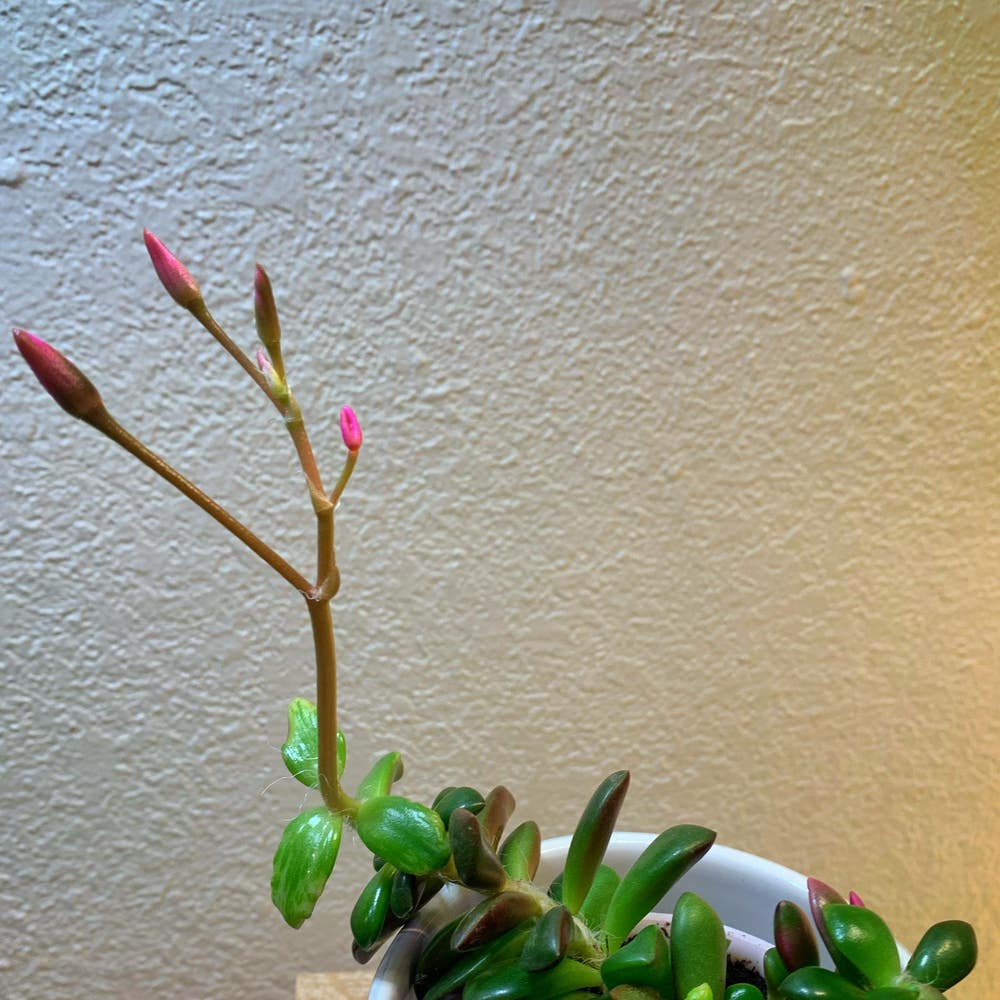
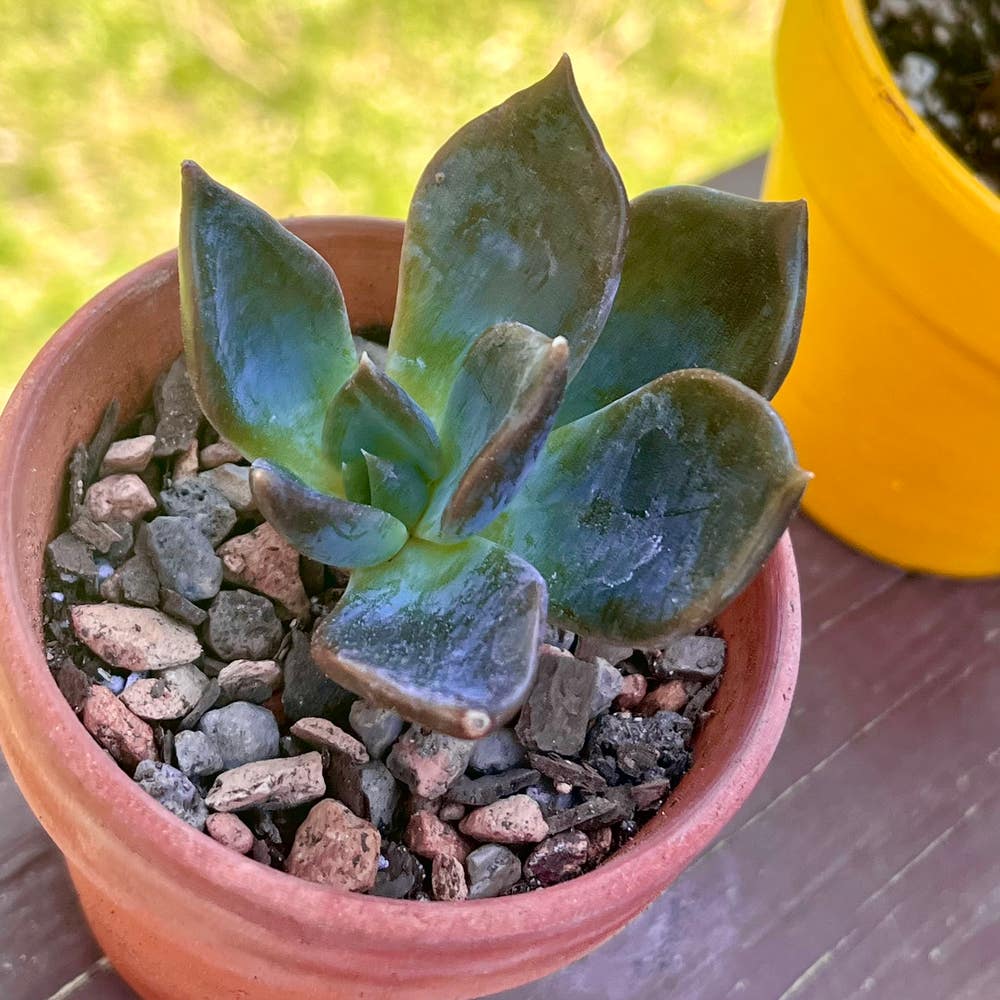
Anacampseros Telephiastrum 'Sunrise Variegata' Yellow Leaves
Anacampseros telephiastrum 'Sunrise Variegata'
By the Greg Editorial Team
Jun 18, 2024•4 min read
This article was created with the help of AI so we can cover more plants for you. May contain errors. See one? Report it here.
- 🌊 Overwatering signs: Yellow, swollen leaves; heavy, damp soil.
- ☀️🌡️ Ideal conditions: Bright, indirect light; 65°F-75°F temperature.
- 💧 Seasonal watering: Less in winter, more in summer.
When Overwatering Takes Its Toll
🚱 Spotting Overwatering Symptoms
Yellow leaves on your Anacampseros telephiastrum 'Sunrise Variegata' are red flags; they're the plant's distress flares. Look out for leaves that are not just yellow but also swollen and translucent, as if they've gorged on water. If the leaves feel squishy, like a soaked sponge, you've overdone the hydration. A pot that feels heavier than your last grocery bag might also indicate excess moisture. And don't overlook the soil – if it's more damp than a rainforest floor, it's time to intervene.
Rescuing Your Plant from Overwatering
First, halt all watering; your succulent needs a break from the drink. Gently remove the plant from its pot and inspect the roots. If they're brown and mushy, root rot has crashed the party. Trim the damaged roots with sterilized scissors. Next, let the plant air out for a day or two; think of it as a spa retreat for stressed roots. Repot in fresh, well-draining soil and consider a terra cotta pot for better breathability. Going forward, water only when the soil is dry to the touch – your plant will thank you with vibrant leaves.

The Thirsty Plant: Underwatering Woes
🚰 Recognizing Underwatering Signs
Dry, crispy leaves and soil that crumbles at the touch are distress signals from your 'Sunrise Variegata'. When the pot feels as light as a feather, it's a clear sign your plant is dehydrated.
Shriveled leaves are the plant's way of rationing its dwindling water supply. If the lower leaves start to look more like autumn foliage than lush greenery, your succulent is crying out for moisture.
Bouncing Back from Dry Spells
To revive your 'Sunrise Variegata' from underhydration, start with a thorough watering, allowing excess water to drain freely. Consistency is key; establish a routine to prevent future dry spells.
Increase humidity around the plant to create a more forgiving microclimate. This can help your succulent recover without overwhelming it with water. Remember, it's about gradual rehydration, not a flood.

Light and Temperature: Finding the Sweet Spot
🌞 Too Much Sun vs. Not Enough
Bright, indirect sunlight is the mantra for your Anacampseros telephiastrum 'Sunrise Variegata'. This succulent craves enough rays to maintain its vibrant hues without succumbing to the harshness of direct exposure.
If your plant is looking more bleached than blushed, it's likely getting too much sun. Relocate it to a spot where the light is filtered, or use a sheer curtain to diffuse the intensity. This is the equivalent of applying sunscreen to protect its delicate leaves.
🌡️ Keeping Cool Under Pressure
Temperature is just as crucial as light for your 'Sunrise Variegata'. Aim for a comfortable range between 65°F and 75°F. Anything beyond can push your plant into a state of stress, manifesting as dull or discolored leaves.
During heat waves, consider moving your plant to a cooler area. Conversely, when the temperature drops, ensure it's kept away from drafty windows. It's like giving your plant a steady climate, not a rollercoaster ride.

The Care Routine: Keeping Yellow Leaves at Bay
💧 Watering Wisdom
To prevent yellowing, mastering the watering technique is crucial. Your Anacampseros telephiastrum 'Sunrise Variegata' craves consistency, not a flood-and-drought cycle. Water deeply but infrequently, ensuring the soil is nearly dry before the next watering. Seasonal shifts mean tweaking your schedule—less is more during the cooler, dormant months.
🌱 Seasonal Adjustments
As the seasons change, so should your watering routine. In winter, your succulent's thirst wanes, so reduce watering frequency. Come summer, the heat ramps up the need for moisture, but don't overdo it—overwatering is still a sin.
🌞 Light and Temperature Harmony
Creating the ideal environment for your 'Sunrise Variegata' means finding that Goldilocks zone of light and temperature. Bright, indirect sunlight is your plant's best friend, but direct rays can be its nemesis, causing leaves to yellow and fade. Rotate your plant for even growth and prevent one-sided sunburn.
🌍 Adjusting the Environment
Keep temperatures stable; your plant dislikes drama in its climate. Extreme heat or cold can stress your succulent, leading to discoloration. If your indoor air resembles a desert or tundra, it's time to make some changes. Consider the placement of your plant in relation to heat sources and drafts.
Remember, your 'Sunrise Variegata' isn't just another pretty face; it's a living entity that relies on your care. Keep a watchful eye, adjust as needed, and you'll both be happier for it.
⚠️ Safety First
This content is for general information and may contain errors, omissions, or outdated details. It is not medical, veterinary advice, or an endorsement of therapeutic claims.
Always consult a qualified healthcare professional before using any plant as food, medicine, or supplement.
Never eat any plant (or feed one to pets) without confirming its identity with at least two trusted sources.
If you suspect poisoning, call Poison Control (800) 222-1222, the Pet Poison Helpline (800) 213-6680, or your local emergency service immediately.
Spotted an error? Please report it here.
Banish yellow leaves and ensure your Anacampseros 'Sunrise Variegata' is radiant 🌞 with Greg's custom watering reminders tailored to your plant's needs and environment.