🌅 How Fast A Sunrise Variegated Anacampseros Grows
Anacampseros telephiastrum 'Sunrise Variegata'
By the Greg Editorial Team
Sep 29, 2024•6 min read
This article was created with the help of AI so we can cover more plants for you. May contain errors. See one? Report it here.
- 🌱 Germination takes 7 to 14 days in well-draining, sandy soil.
- ☀️ Optimal growth requires indirect sunlight and temperatures between 20°C to 25°C.
- 🌼 Mature plants flower in 1 to 2 years, thriving with proper care and nutrients.
Germination Stage
Duration of Germination 🌱
The germination period for the Sunrise Variegated Anacampseros typically spans 7 to 14 days. Several factors can influence this timeframe, including temperature, moisture levels, and light exposure.
Conditions for Successful Germination 🌡️
To ensure successful germination, aim for an ideal temperature range of 20°C to 25°C (68°F to 77°F).
Soil Requirements
Use well-draining, sandy soil to prevent waterlogging, which can hinder growth.
Moisture Needs
Keep the soil lightly moist but avoid overwatering.
Light Exposure
Provide indirect sunlight for optimal germination. Too much direct light can be detrimental at this stage.
By creating the right conditions, you set the stage for healthy seedlings to emerge. Next, we’ll explore the characteristics and development of these young plants.
Seedling Stage
🌱 Characteristics of Seedlings
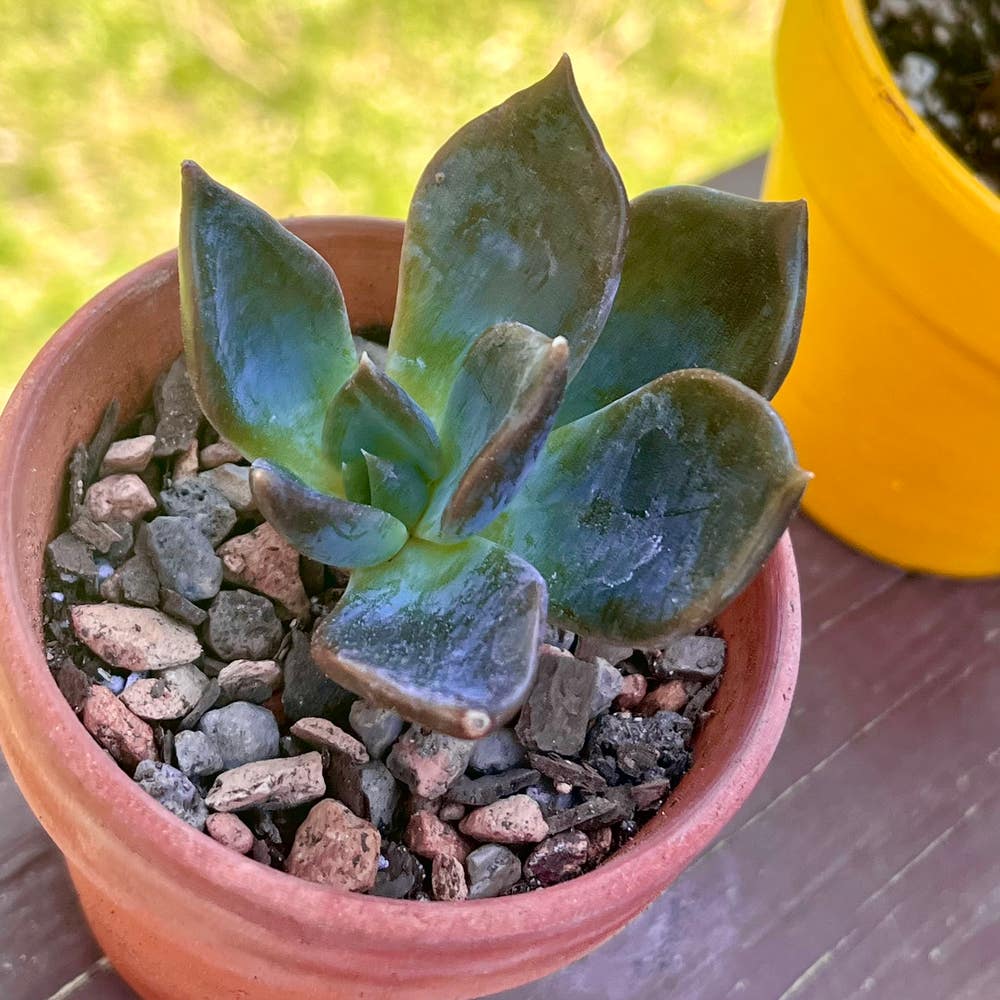
The seedlings of the Sunrise Variegated Anacampseros are a sight to behold. They feature small, fleshy leaves that begin to showcase their beautiful variegation, adding a splash of color to your garden.
Their growth habit is low and spreading, making them excellent for establishing ground cover. This characteristic not only enhances the aesthetic appeal but also helps in preventing soil erosion.
⏳ Duration of the Seedling Stage
Typically, the seedling stage lasts about 4 to 6 weeks. During this time, you'll notice key transition indicators, such as the development of true leaves and an increase in leaf size.
These changes signal that your seedlings are maturing and ready to take on the next phase of growth. Keep an eye on them; the journey from seedling to a more robust plant is both exciting and rewarding.
As your seedlings thrive, they set the stage for the vegetative growth phase, where even more remarkable transformations await.
Vegetative Growth Stage
🌱 Growth Patterns and Changes
During the vegetative growth stage, the Sunrise Variegated Anacampseros showcases remarkable leaf development. You’ll notice the leaves not only increase in size but also exhibit a more intense variegation.
This stage is characterized by a spreading growth habit, where the plant forms a dense mat. As it expands, the root system establishes a robust network that enhances water retention, ensuring the plant thrives.
⏳ Duration of Vegetative Growth
Typically, this vegetative growth phase lasts between 3 to 6 months. However, various factors can influence this duration, including environmental conditions and care practices.
Optimal light, temperature, and watering can accelerate growth, while neglect can slow it down. Understanding these dynamics can help you nurture your plant effectively, leading to a vibrant and lush display.
As the plant matures, it sets the stage for the next exciting phase: flowering.
Flowering Stage
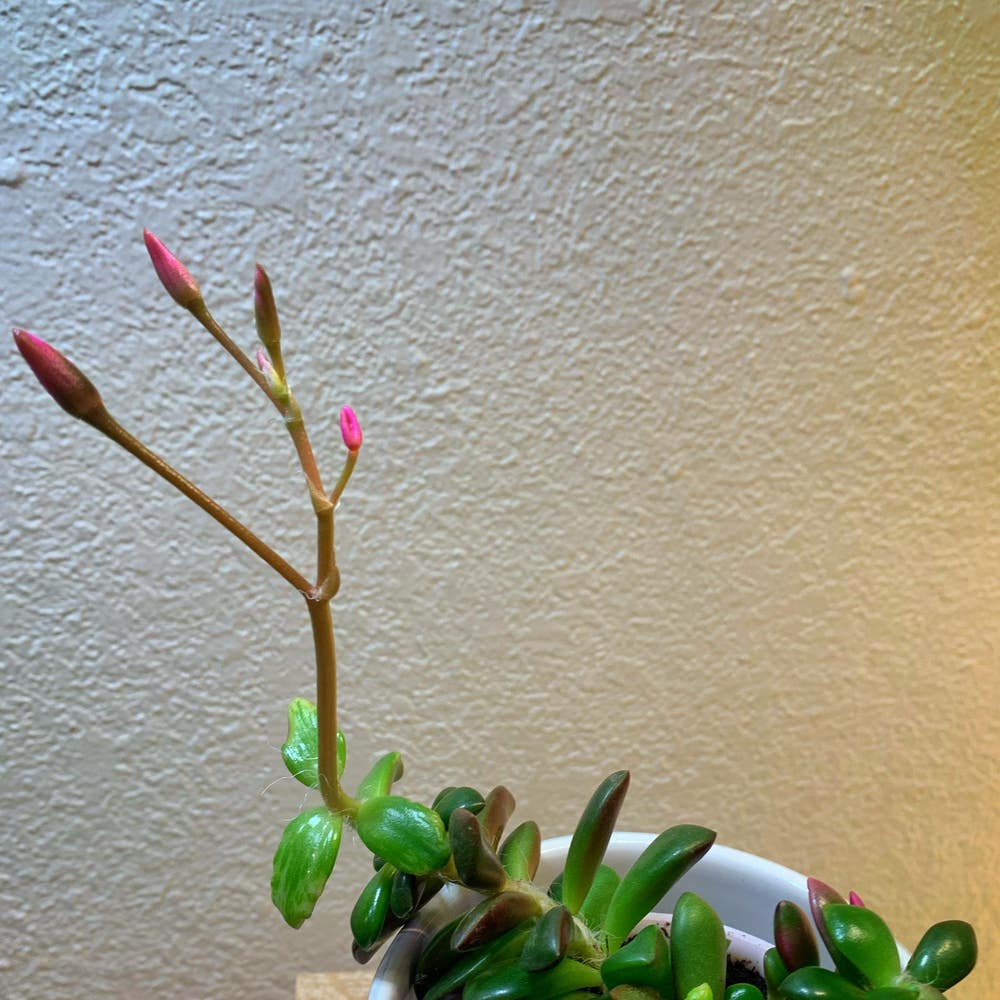
Description of Flowering 🌸
The Sunrise Variegated Anacampseros produces charming, small, star-shaped flowers that are a delight to behold. Typically, these flowers bloom in shades of white or pale pink, attracting a variety of pollinators.
Duration and Conditions for Flowering ⏳
Expect the flowering duration to last between 2 to 4 weeks, depending on environmental factors. For optimal blooming, warm temperatures and adequate sunlight are essential.
Stress conditions, like drought, can surprisingly trigger flowering, showcasing the plant's resilience. This adaptability not only enhances its beauty but also ensures its survival in varying conditions.
As you nurture your Anacampseros, keep an eye on these flowering indicators. They signal a healthy plant ready to thrive, leading you into the next exciting phase of its life cycle: seed production.
Seed Production
Process of Seed Production 🌼
The seed production process for the Sunrise Variegated Anacampseros is fascinating. Primarily, these plants rely on insect pollination, which means they depend on the busy buzz of bees and other pollinators to transfer pollen from flower to flower.
Once pollination occurs, seed formation begins. This crucial step ensures that the genetic material is combined, leading to the development of seeds that can grow into new plants.
Duration and Viability of Seeds ⏳
After flowering, seeds take about 4-6 weeks to mature. This timeframe is essential for ensuring that the seeds are fully developed and ready for germination.
Under optimal storage conditions, these seeds can remain viable for several years. This longevity is a significant advantage, allowing gardeners to store seeds and plant them when conditions are just right.
As you explore the seed production stage, remember that this is just one part of the lifecycle. The next stage will delve into the growth rate and maturation of these remarkable plants.
Growth Rate and Maturation
🌱 How Long Until Fully Grown?
The Sunrise Variegated Anacampseros typically reaches full maturity in about 1 to 2 years. You'll know it's mature when it showcases full leaf development and is capable of flowering.
⏳ Factors Affecting Growth Rate
Several factors can influence how quickly your plant grows:
- Environmental Conditions: Light, temperature, and soil quality play crucial roles.
- Watering Practices: The frequency and amount of water can either boost or hinder growth.
- Nutrient Availability: Proper fertilization and soil fertility are essential for optimal growth.
🔄 Notable Changes Throughout Life Cycle
As your plant transitions from seedling to maturity, you'll notice significant changes. Expect increased size and complexity in the leaves, which is a sign of healthy growth.
Flowering and seed production mark key milestones in its reproductive cycle. These stages not only enhance the plant's beauty but also contribute to its overall vitality.
Understanding these growth patterns will help you nurture your Sunrise Variegated Anacampseros effectively. With the right care, you'll witness its remarkable journey from a tiny seedling to a flourishing, mature plant.
Next, we'll explore the overall lifespan of this captivating succulent.
Overall Lifespan
🌅 Average Lifespan of Sunrise Variegated Anacampseros
The Sunrise Variegated Anacampseros typically enjoys a lifespan of 3 to 5 years when provided with optimal care. Factors such as care practices, environmental conditions, and disease resistance play a significant role in determining how long your plant will thrive.
🌍 Environmental Factors Influencing Lifespan
Soil Quality
Nutrient-rich, well-draining soil is essential for promoting longevity. Poor soil can stunt growth and lead to health issues.
Watering Practices
Overwatering is a common mistake that can lead to root rot, significantly shortening the plant's lifespan. It's crucial to strike a balance—keep the soil lightly moist but never soggy.
☀️ Sunlight Exposure
Adequate light is vital for the health and growth of your Anacampseros. Insufficient sunlight can weaken the plant, making it more susceptible to diseases.
In summary, providing the right conditions can extend the life of your Sunrise Variegated Anacampseros, allowing you to enjoy its beauty for years to come. Next, let’s explore how long it takes for this plant to reach full maturity.
⚠️ Safety First
This content is for general information and may contain errors, omissions, or outdated details. It is not medical, veterinary advice, or an endorsement of therapeutic claims.
Always consult a qualified healthcare professional before using any plant as food, medicine, or supplement.
Never eat any plant (or feed one to pets) without confirming its identity with at least two trusted sources.
If you suspect poisoning, call Poison Control (800) 222-1222, the Pet Poison Helpline (800) 213-6680, or your local emergency service immediately.
Spotted an error? Please report it here.
Nurture your Sunrise Variegated Anacampseros to bloom beautifully 🌸 with Greg's tailored care tips and watering reminders that keep your plant thriving!