🌞 5 Tips for Growing Sunrise Variegated Anacampseros Outdoors
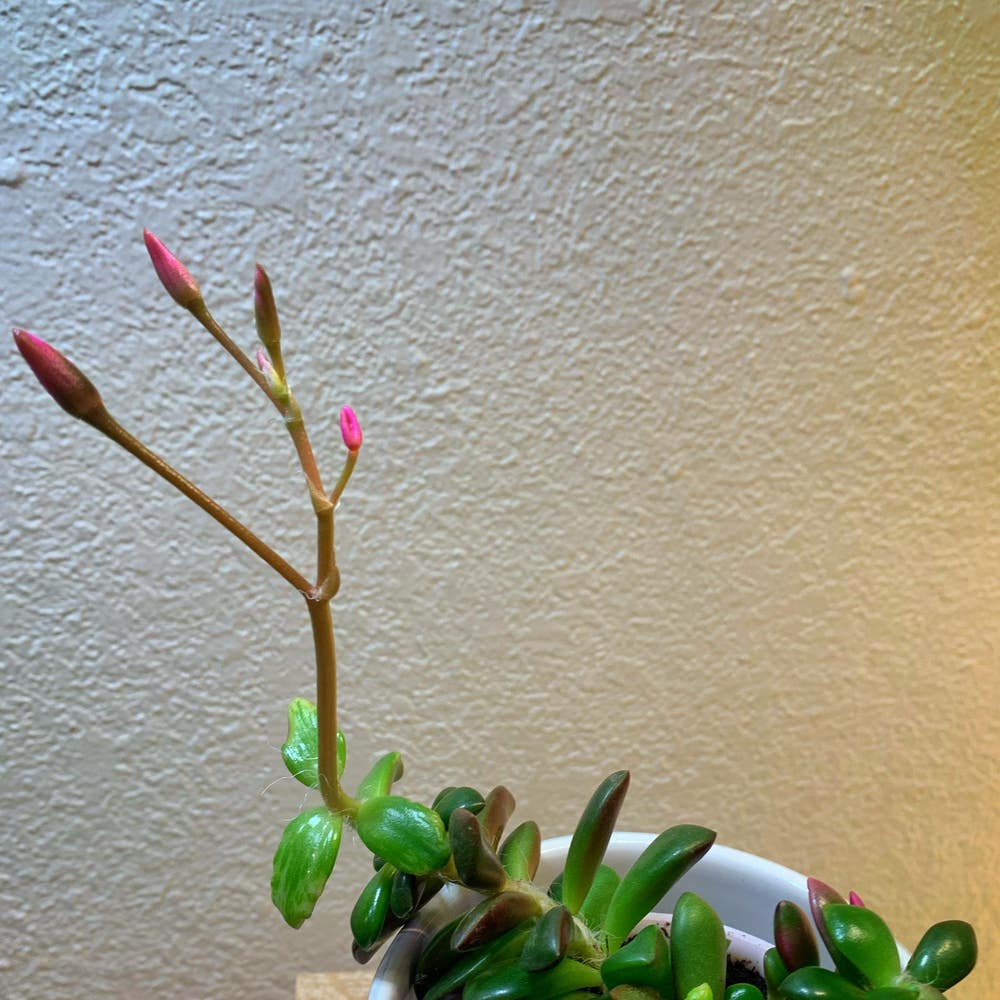
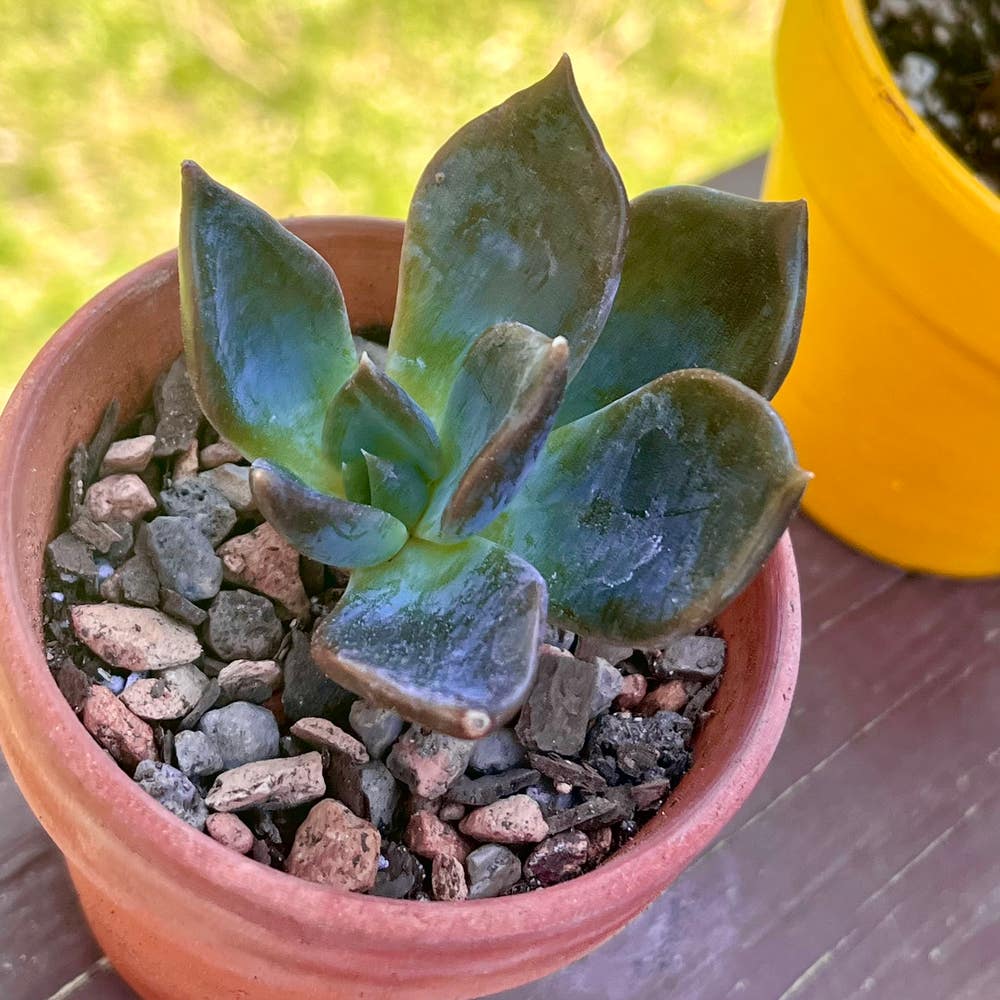
Anacampseros telephiastrum 'Sunrise Variegata'
By the Greg Editorial Team
Sep 29, 2024•5 min read
This article was created with the help of AI so we can cover more plants for you. May contain errors. See one? Report it here.
- ☀️ Sunrise Variegated Anacampseros needs 6-8 hours of sunlight daily for optimal growth.
- 💧 Allow soil to dry completely between waterings to prevent root rot.
- 🌱 Fertilize every 4-6 weeks during the growing season for healthy growth.
Sunlight Needs and Optimal Exposure
🌞 Sunlight Requirements
To thrive, Sunrise Variegated Anacampseros needs full sun exposure, ideally basking in 6 to 8 hours of sunlight daily. Insufficient sunlight can lead to stretched growth and a noticeable loss of variegation, diminishing the plant's vibrant appeal.
🏡 Optimal Placement
For the best results, plant your Anacampseros in south-facing areas where they can soak up maximum light. In hotter climates, consider placing them in spots that receive morning sun but offer afternoon shade to protect them from the harshest rays.
By ensuring your Anacampseros gets the right sunlight, you set the stage for a healthy, thriving plant. Next, let’s dive into the watering requirements to keep your succulent happy and hydrated.
Watering Requirements and Frequency
💧 Watering Anacampseros
When it comes to watering your Anacampseros, the golden rule is to let the soil dry out completely between waterings. This approach prevents root rot and keeps your plant thriving.
During the growing season, aim to water every 2-3 weeks. In winter, scale back significantly, as the plant enters dormancy and requires less moisture.
🚫 Signs of Overwatering
Overwatering can lead to distressing symptoms like yellowing leaves and mushy stems. If you notice these signs, it’s a clear indication that your plant is struggling.
To prevent overwatering, always use well-draining soil and pots with drainage holes. This simple step can save your plant from a watery demise.
Understanding these watering requirements will set you on the right path to cultivating a healthy, vibrant Anacampseros. Next, let’s explore the soil preferences that will further enhance your plant’s growth.
Soil Preferences and Amendments
🌱 Soil Preferences for Succulents
For your Sunrise Variegated Anacampseros, the right soil is crucial. Aim for a well-draining cactus mix or sandy loam to provide the perfect environment for growth.
The ideal soil pH should be slightly acidic to neutral, ranging from 6.0 to 7.0. This balance helps your plants thrive without the risk of nutrient lockout.
🧪 Soil Amendments
To enhance drainage, consider adding perlite or coarse sand to your soil mix. These amendments prevent water from pooling, which is essential for healthy root development.
Good drainage is vital in preventing root rot, a common issue for succulents. By ensuring your soil drains well, you set your Anacampseros up for success.
With the right soil and amendments in place, your plants will be better equipped to flourish. Next, let’s explore the fertilization schedule and types of fertilizers that will keep your Anacampseros thriving.
Fertilization Schedule and Types of Fertilizers
🌵 Fertilization for Succulents
To keep your Sunrise Variegated Anacampseros thriving, fertilize every 4-6 weeks during the growing season. Use a balanced, water-soluble fertilizer, but remember to dilute it to half strength to avoid overwhelming your plant.
⚠️ Special Considerations
Over-fertilization can lead to nutrient burn, which manifests as browning leaf tips or stunted growth. If you notice these signs, flush the soil with water to help mitigate the effects and give your plant a break from fertilization for a while.
Understanding the right fertilization schedule is crucial for maintaining the health of your Anacampseros. With proper care, your plants will flourish, setting the stage for the next topic on weather protection and pest management.
Weather Protection and Pest Management
Strategies for Protecting from Extreme Heat 🌞
To keep your Sunrise Variegated Anacampseros thriving in extreme heat, providing shade during peak sun hours is crucial. You can use shade cloth or strategically place nearby plants to shield them from the harshest rays.
Mulching is another effective strategy. It helps retain soil moisture and regulates temperature, creating a more stable environment for your plants.
Strategies for Protecting from Frost ❄️
Frost can be a real threat to your Anacampseros. Covering your plants with frost cloth or blankets is essential during cold snaps; timing is key, so be vigilant about weather forecasts.
If your plants are in containers, consider bringing them indoors when temperatures drop. This simple action can save your plants from frost damage.
Common Outdoor Pests Affecting Anacampseros 🐞
Aphids are one of the most common pests that can infest Anacampseros. Look for signs like curled leaves or sticky residue, and act quickly to control them.
Mealybugs are another pest to watch for. They appear as small, white cotton-like masses on the plant, and early identification is vital for effective management.
Organic Pest Control Methods 🌱
For pest control, neem oil and insecticidal soap are excellent organic options. Apply them according to the instructions, ensuring you cover all plant surfaces for maximum effectiveness.
Encouraging beneficial insects like ladybugs and lacewings can also help keep pests at bay. These natural predators will help maintain a healthy balance in your garden.
By implementing these weather protection strategies and pest management techniques, you can ensure your Sunrise Variegated Anacampseros remains healthy and vibrant. Next, let’s explore how seasonal changes impact their care and growth.
Seasonal Care and Climate Zone Considerations
🌱 Seasonal Changes and Their Impact on Care
Understanding seasonal changes is crucial for the health of your Sunrise Variegated Anacampseros. Each season brings unique growth patterns and care requirements that can significantly influence your plant's vitality.
💧 Adjusting Watering and Fertilization with Seasons
Watering frequency should be adjusted according to the season. In summer, increase watering to keep the soil moist, while in winter, reduce it significantly as the plant enters dormancy.
Fertilization also requires attention. During the growing season, fertilize every 4-6 weeks, but halt this practice in winter when the plant is resting.
🌍 Best Climate Zones for Growing Anacampseros
The ideal climate zones for growing Anacampseros are USDA zones 9-11. These zones offer warm, dry conditions that are perfect for thriving succulents.
🛠️ Tips for Growing in Less-Than-Ideal Conditions
If you're in a less-than-ideal climate, don't fret! You can improve conditions with soil amendments like perlite for better drainage. Adjust your watering schedule and stay vigilant about pest management to keep your plants healthy.
By understanding these seasonal and climate considerations, you can ensure your Sunrise Variegated Anacampseros flourishes, even in challenging environments. Next, let’s explore effective strategies for weather protection and pest management.
⚠️ Safety First
This content is for general information and may contain errors, omissions, or outdated details. It is not medical, veterinary advice, or an endorsement of therapeutic claims.
Always consult a qualified healthcare professional before using any plant as food, medicine, or supplement.
Never eat any plant (or feed one to pets) without confirming its identity with at least two trusted sources.
If you suspect poisoning, call Poison Control (800) 222-1222, the Pet Poison Helpline (800) 213-6680, or your local emergency service immediately.
Spotted an error? Please report it here.
Transform your outdoor garden with a thriving Sunrise Variegated Anacampseros 🌞 by using Greg's tailored watering and pest alerts to keep your plant happy and healthy all season long!