Anacampseros Telephiastrum 'Sunrise Variegata' Flowers
Anacampseros telephiastrum 'Sunrise Variegata'
By the Greg Editorial Team
Jun 18, 2024•4 min read
This article was created with the help of AI so we can cover more plants for you. May contain errors. See one? Report it here.
- Blooms in summer after reaching maturity in a few years.
- Bright, indirect sunlight and moderate humidity foster flowering.
- Balanced fertilizer and careful watering enhance bloom potential.
When to Expect Fireworks: Blooming Season and Flower Traits
🌸 Blooming Season Know-How
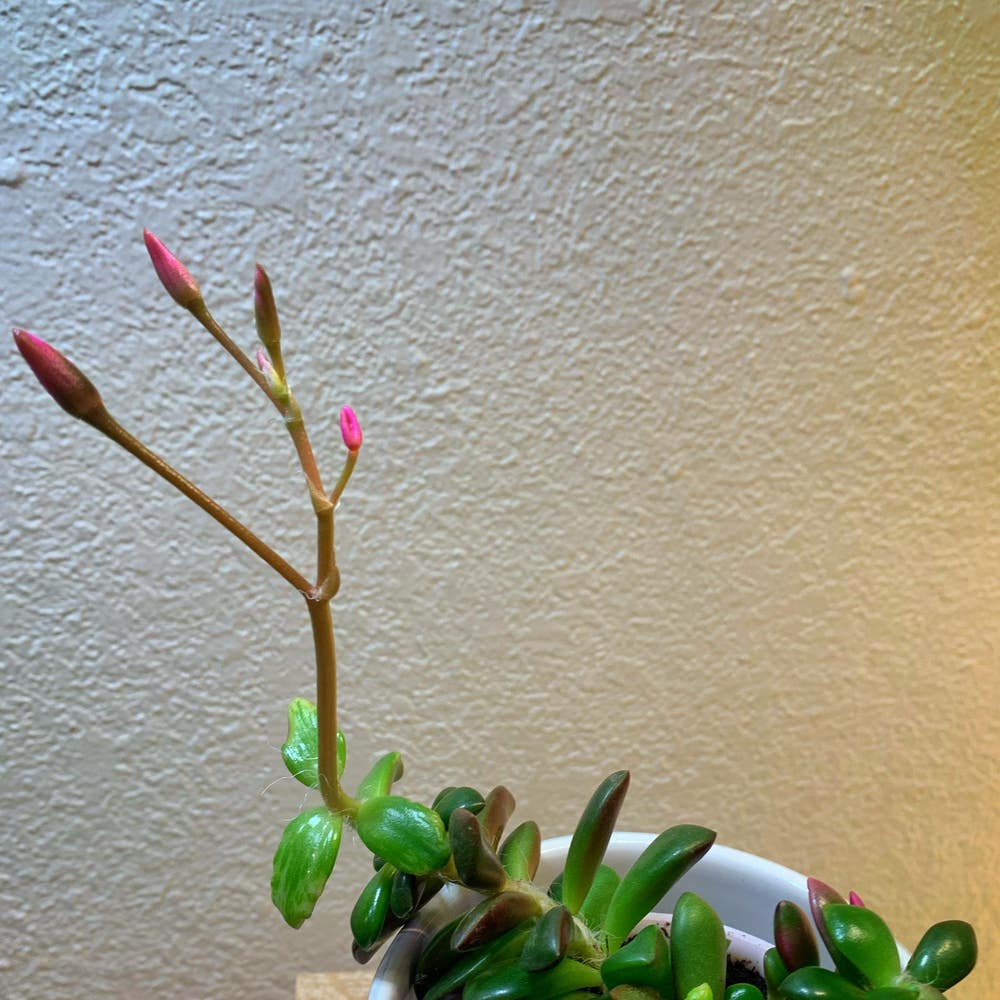
Timing is everything when it comes to the blooming of Anacampseros telephiastrum 'Sunrise Variegata'. Typically, these succulents show off their vibrant flowers in the warmer months, with a peak in summer. But don't rush to judgment if your plant is a late bloomer; it may simply be too young. These plants often need to reach a certain maturity before they can put on their floral display, which could take a few years.
🌺 A Closer Look at the Blooms
The flowers of 'Sunrise Variegata' are a sight to behold, with a color palette that includes shades of pink and purple. Each bloom has a short lifespan, gracing us for 1-3 days, but the plant compensates by producing flowers over a period of 1-3 months. So, while each flower is fleeting, the overall show can last quite a while, making it a long-awaited but rewarding spectacle.

Setting the Stage for Blooms
💡 Let There Be Light (But Not Too Much)
Optimal light conditions are crucial for Anacampseros telephiastrum 'Sunrise Variegata' to bloom. This succulent prefers bright, indirect sunlight for several hours a day. Direct sunlight can be too intense, causing leaf scorch.
To prevent damage, position your plant in a spot that mimics the dappled light of its natural habitat. A south or east-facing window with a sheer curtain is ideal. During shorter winter days, consider using grow lights to supplement natural light.
Keeping It Cozy: Temperature and Humidity
The right temperature range is between 65-75°F (18-24°C). Anacampseros telephiastrum 'Sunrise Variegata' thrives in stable conditions, so avoid sudden temperature changes that could stress the plant and impede blooming.
Humidity should be moderate, around 40-50%. If your indoor air is too dry, use a humidifier or a pebble tray to increase moisture. Be mindful of seasonal shifts; adjust your care routine to maintain consistent temperature and humidity levels year-round.

Water and Food: The Blooming Boosters
💧 Watering Wisdom for Flowering
Watering your Anacampseros telephiastrum 'Sunrise Variegata' is a delicate balancing act. Adjust your watering schedule to accommodate the plant's increased thirst during the blooming phase, allowing the soil to dry slightly between waterings. Overwatering can be a silent killer, leading to root rot and a bloomless existence. Conversely, underwatering stresses the plant, potentially stunting flower development. Keep an eye out for wilting or yellowing leaves, which can signal either too much or too little water.
🌼 Fertilizing for Fabulous Flowers
When it comes to feeding your succulent, think of fertilizer as a controlled substance—too much can be harmful. During the blooming phase, opt for a balanced liquid fertilizer at half strength, once a month. This provides the necessary nutrients without overwhelming the plant. Bloom boosters with higher phosphorus content can encourage flowering, but they're not magic potions—use them judiciously. Remember, over-fertilizing can lead to a lush but flowerless plant, so watch for signs like salt buildup on the soil surface and scale back if necessary.

Help, My Plant Won't Bloom!
🌸 Solving the No-Bloom Blues
Age and maturity are often the culprits when Anacampseros telephiastrum 'Sunrise Variegata' refuses to bloom. These succulents may need four to six years to mature before showing off their flowers. If your plant is still young, patience is your best friend.
Light plays a pivotal role in bloom induction. Ensure your plant receives a half day of morning sun to encourage flowering. If your succulent is stretching out, it's begging for more light. On the flip side, too much direct sunlight can stress the plant, hindering its ability to flower.
Watering habits need tweaking? Overzealous watering can lead to root rot, while stinginess can leave your plant too dry to invest in blooms. Aim for moist soil that's never waterlogged nor bone dry.
🥀 Dealing with Dropping Flowers
Premature flower drop can be a real mood killer. Environmental stress, such as sudden temperature changes or drafts, often plays the villain here. Keep your succulent in a spot with stable temperatures to avoid this drama.
Overwatering can also cause flowers to drop like flies. If you're guilty of loving your plant to death with water, dial it back. Let the soil dry out a bit between waterings to keep those blooms intact.
Remember, sometimes flowers drop because they've simply run their course. It's not always a sign of your neglect. Deadhead spent flowers to encourage new growth and possibly more blooms. Keep an eye on the basics: light, water, and stability, and your succulent should get back to its blooming glory.
⚠️ Safety First
This content is for general information and may contain errors, omissions, or outdated details. It is not medical, veterinary advice, or an endorsement of therapeutic claims.
Always consult a qualified healthcare professional before using any plant as food, medicine, or supplement.
Never eat any plant (or feed one to pets) without confirming its identity with at least two trusted sources.
If you suspect poisoning, call Poison Control (800) 222-1222, the Pet Poison Helpline (800) 213-6680, or your local emergency service immediately.
Spotted an error? Please report it here.
Ensure your Anacampseros 'Sunrise Variegata' thrives and blooms 🌸 with Greg's tailored care plan, guiding you through the perfect balance of light, water, and nutrients for those vibrant summer flowers.