Determining What Might Be Eating Your Largefruit Amaranth 🐞
Amaranthus deflexus
By the Greg Editorial Team
Sep 30, 2024•6 min read
This article was created with the help of AI so we can cover more plants for you. May contain errors. See one? Report it here.
Safeguard your Largefruit Amaranth from herbivores while inviting beneficial wildlife for a vibrant garden! 🌱
- 🦌 Deer and rabbits are major threats to Largefruit Amaranth; look for hoof prints and droppings.
- 🌱 Effective deterrents include repellents, fencing, and planting resistant species to protect your plants.
- 🐦 Birds can help or harm; use reflective tape to manage their impact on your garden.
Description and Appeal of Largefruit Amaranth
Appearance and Attractive Parts 🌿
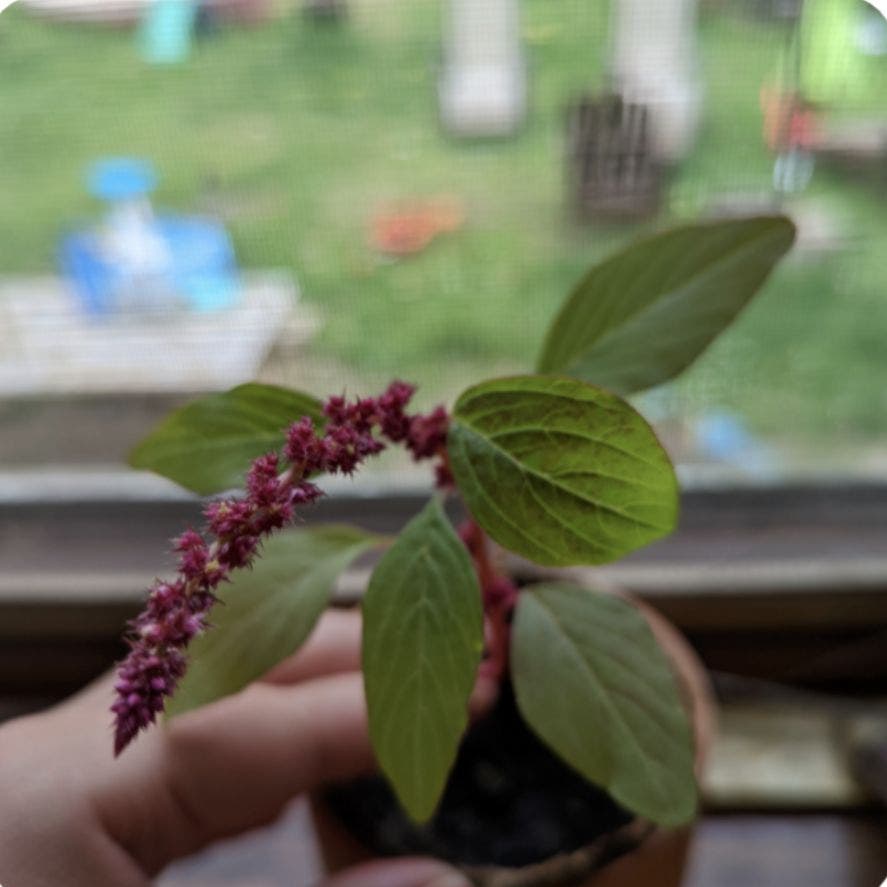
Largefruit Amaranth is a striking plant, easily recognized by its large, attractive seed heads that can catch anyone's eye. Its broad, lush green leaves create a vibrant backdrop, making it a standout in any garden.
The most appealing parts of this plant to animals include its young shoots, which are tender and packed with nutrients. Additionally, the flowers are rich in nectar, drawing in both pollinators and herbivores alike.
Finally, the fruits—those large seed heads—are particularly enticing, offering a feast for various animals. This combination of features not only enhances the plant's appeal but also plays a crucial role in attracting wildlife to your garden.
Understanding these characteristics can help you appreciate why Largefruit Amaranth is both a beautiful and ecologically significant addition to your landscape. As we explore the common herbivores that might be drawn to this plant, it's essential to recognize its allure and the delicate balance it maintains within the ecosystem.
Common Herbivores Affecting Largefruit Amaranth
🦌 Deer
Signs of Presence and Damage Caused
Deer can be a significant threat to your Largefruit Amaranth. Look for hoof prints in muddy areas and jagged edges on leaves and stems, indicating browsing.
Beneficial vs. Harmful Interactions
While deer may seem picturesque in the garden, they are generally harmful. If not managed, they can decimate plant populations, leaving your garden vulnerable.
Deterrent Methods
To keep deer at bay, consider using commercial deer repellents. Alternatively, planting deer-resistant species or using human hair and soap shavings can provide organic solutions.
🐇 Rabbits
Signs of Presence and Damage Caused
Rabbits leave small, rounded droppings near your plants. They tend to cleanly cut stems and leaves, often at ground level, which can be alarming.
Beneficial vs. Harmful Interactions
Rabbits are generally harmful to your Largefruit Amaranth. Their feeding habits can significantly reduce plant vigor, making it crucial to address their presence.
Deterrent Methods
For easy deterrence, rabbit repellents can be effective. Additionally, fencing that is 2-3 feet high or planting rabbit-resistant plants can help protect your garden.
🐿️ Squirrels
Signs of Presence and Damage Caused
Squirrels leave scratches on the ground and often chew on seed heads. Their gnawing can damage stems, leading to reduced plant health.
Beneficial vs. Harmful Interactions
Squirrels are generally harmful as they can lead to reduced seed production. Their antics may be entertaining, but they can wreak havoc on your plants.
Deterrent Methods
Consider using squirrel repellents for chemical deterrence. Organic methods like netting over plants or motion-activated sprinklers can also be effective.
🐦 Birds
Signs of Presence and Damage Caused
Birds can be both friends and foes. Look for feathers, droppings, and peck marks on seed heads, which indicate their presence and feeding habits.
Beneficial vs. Harmful Interactions
Birds have a mixed role in the garden. While some are pollinators, others can damage your plants by eating seeds and flowers, reducing reproductive success.
Deterrent Methods
Bird repellents can help manage their presence. For a more organic approach, scare tactics like reflective tape or wind chimes can deter them effectively.
🐭 Rodents (Mice, Voles, etc.)
Signs of Presence and Damage Caused
Rodents leave signs like burrows near the plant, droppings, and gnaw marks. Their chewing on roots and stems can lead to significant plant stress.
Beneficial vs. Harmful Interactions
Rodents are generally harmful and can cause considerable damage to your Largefruit Amaranth. Their presence can stress your plants and hinder growth.
Deterrent Methods
For a hard approach, consider using rodent bait stations. Organic methods include traps and introducing natural predators, like owls, to your garden.
Understanding these common herbivores is essential for protecting your Largefruit Amaranth. By implementing effective deterrent methods, you can maintain a thriving garden ecosystem. Next, let’s explore the beneficial animals that can positively impact your garden.
Beneficial Animals and Their Role
🌼 Positive Impacts on the Garden Ecosystem
Beneficial animals play a crucial role in the health of your garden, especially when it comes to largefruit amaranth. Pollinators like bees and butterflies are drawn to the vibrant flowers, ensuring that plants can reproduce effectively.
Birds also contribute positively by acting as seed dispersers. When they consume seeds, they help spread them across the garden, promoting growth and biodiversity. This natural process enhances the ecosystem, supporting not just the amaranth but a variety of other plants as well.
🌱 Enhancing Biodiversity
The presence of these beneficial animals fosters a rich biodiversity in your garden. A diverse ecosystem is more resilient and can better withstand pests and diseases. By attracting pollinators and seed dispersers, you create a thriving environment that supports plant reproduction and growth.
In summary, while some animals may pose challenges, many contribute significantly to the health and vitality of your garden. Embracing these beneficial interactions can lead to a flourishing landscape filled with life and color.
As we explore further, let’s look at general strategies for protecting your largefruit amaranth from potential threats while nurturing these positive relationships.
General Strategies for Protection
🛡️ Preventive Measures for Protecting Largefruit Amaranth
To safeguard your Largefruit Amaranth, consider implementing fencing. Physical barriers can effectively deter larger herbivores, keeping your plants safe from hungry visitors.
Another effective strategy is companion planting. By incorporating plants that naturally repel herbivores, you can create a protective environment for your amaranth.
🚨 Reactive Solutions for Managing Animal Interactions
Regular monitoring is crucial. Conduct frequent checks for signs of animal activity to catch any issues early.
When you notice signs of damage, take immediate action. Deploy deterrents as soon as you spot any unwanted visitors to minimize their impact.
🌱 Balancing Ecosystem Health While Deterring Herbivores
Understanding the role of herbivores in the ecosystem is essential. They can contribute to biodiversity, so it's important to find a balance between protection and coexistence.
Implementing integrated pest management strategies can help. This approach combines various methods to manage herbivore populations while maintaining a healthy garden ecosystem.
🌦️ Seasonal Considerations
Be aware of seasonal changes. In spring, herbivore activity increases as plants emerge, making vigilance essential.
During summer, your Largefruit Amaranth may face peak vulnerability, especially during flowering and fruiting. Stay proactive to protect your plants during these critical times.
⚠️ Toxicity and Safety
While Largefruit Amaranth has mild toxicity, it can affect certain herbivores. Understanding this can help you manage plant health while considering animal interactions.
By being mindful of these factors, you can create a thriving environment for your Largefruit Amaranth while ensuring that herbivores are managed effectively. This balance will lead to a healthier garden ecosystem overall.
⚠️ Safety First
This content is for general information and may contain errors, omissions, or outdated details. It is not medical, veterinary advice, or an endorsement of therapeutic claims.
Always consult a qualified healthcare professional before using any plant as food, medicine, or supplement.
Never eat any plant (or feed one to pets) without confirming its identity with at least two trusted sources.
If you suspect poisoning, call Poison Control (800) 222-1222, the Pet Poison Helpline (800) 213-6680, or your local emergency service immediately.
Spotted an error? Please report it here.
Keep your Largefruit Amaranth thriving 🌿 by using Greg's personalized tips for deterring herbivores and monitoring plant health, ensuring a vibrant garden ecosystem!