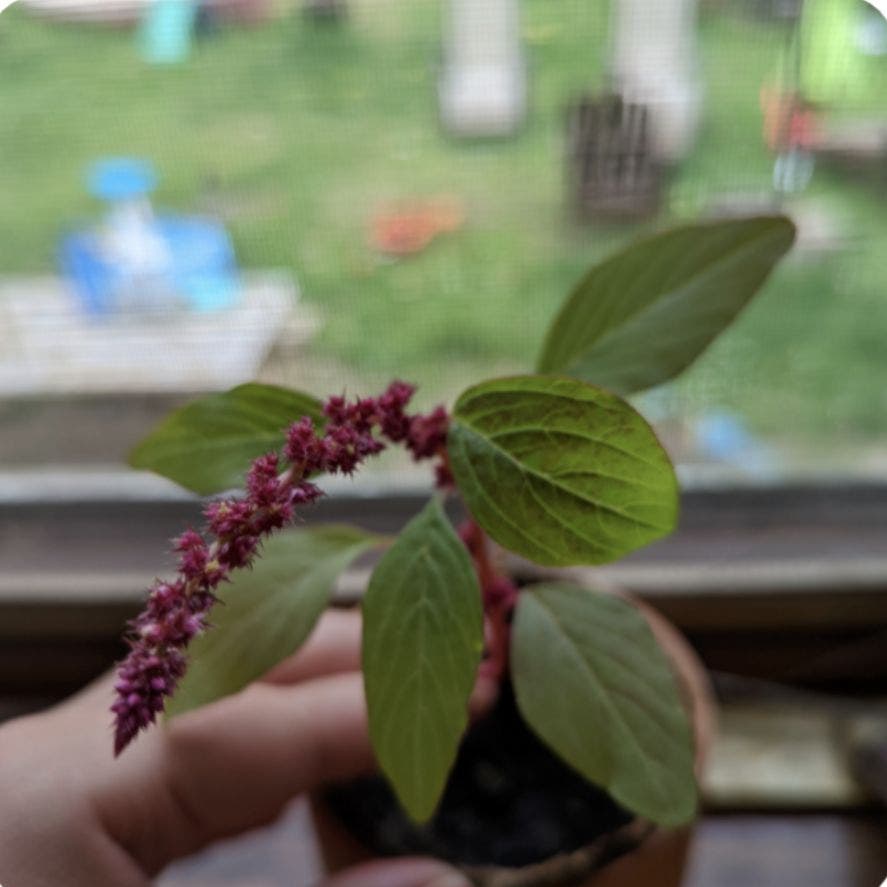
Largefruit Amaranth Fertilizer: How and When to Use It
Amaranthus deflexus
By the Greg Editorial Team
Mar 05, 2024•3 min read
This article was created with the help of AI so we can cover more plants for you. May contain errors. See one? Report it here.
Boost your Largefruit Amaranth's vitality and blooms 🌺 with eco-friendly fertilizing tips that work!
- N, P, K are key nutrients for Largefruit Amaranth's health.
- Seasonal fertilizing boosts growth; taper off in autumn.
- Over-fertilization signs: yellow leaves, white crust, stunted growth.
Picking the Perfect Fertilizer for Your Largefruit Amaranth
💡 Understanding Nutrient Balance
Nitrogen, phosphorus, and potassium are the trifecta of plant health, each playing a pivotal role in the well-being of your Largefruit Amaranth. Nitrogen is the growth guru, fostering lush foliage and robust stems. Phosphorus is the bloom booster, vital for vibrant flowers. Potassium, the hydration regulator, ensures the plant's overall vigor and disease resistance.
🍽️ Slow-Release vs. Liquid Fertilizers
Slow-release fertilizers are the tortoises in this race, steadily nourishing your plant over time. They're low-maintenance and reduce the risk of over-fertilization. Liquid fertilizers, on the flip side, are the hares, providing an instant nutrient hit. They're perfect for a quick fix but require more frequent application. Your choice hinges on whether you're in for the long haul or need an immediate nutrient surge.
🌱 Organic Options
Going organic isn't just a trend; it's about nurturing your Largefruit Amaranth with nature's touch. Organic fertilizers release nutrients at a pace plants are primed to absorb. They improve soil structure and promote beneficial microbial activity. Plus, they're eco-friendly, so you can pamper your plants and the planet simultaneously.
Timing is Everything: When to Fertilize
🌱 Planting Time Fertilization
To kickstart your Largefruit Amaranth's growth, fertilize at planting. This initial feeding fuels early development, setting the stage for a robust life cycle.
🍂 Seasonal Fertilization Schedule
Adjust your fertilization routine with the changing seasons. Begin in early spring, as new growth signals the plant's readiness for nutrients. Continue through the summer, maintaining a steady supply to support the plant's active phase. As autumn approaches, taper off; the plant's nutrient needs decrease as it prepares for dormancy. Remember, over-fertilization can harm, so observe and adapt.
Fertilizing Like a Pro
💪 The Right Way to Apply
To apply fertilizer to your Largefruit Amaranth without causing harm, follow these steps closely. First, check the product packaging for specific instructions. If it's a liquid fertilizer, dilute it to half-strength to prevent root burn. Always water the plant before and after fertilization to help distribute the nutrients evenly. For granular types, ensure even distribution by applying as a side dressing, away from the stem, and then water thoroughly.
Quantity Matters
When it comes to fertilizer, more isn't always better. Start with a half-strength dose to avoid overdoing it. The amount of fertilizer you use should align with the growth stage of your Largefruit Amaranth. Young plants generally require less, while mature plants might need more. Always follow the label's recommended rate, typically measured in pounds per square feet or as per container size. Remember, the goal is to nourish, not overwhelm.
Spotting and Solving Over-Fertilization
🚩 Recognizing the Red Flags
Over-fertilization can be a silent killer for your Largefruit Amaranth. Yellowing leaves or browning tips are your first hint that something's amiss. A white crust of salt on the soil's surface screams "too much!" and stunted growth is the plant's way of waving a white flag. If you spot black or brown spots on leaves, it's not just an aesthetic issue; it's a distress signal.
🛠 Quick Fixes for Fertilizer Fiascos
Caught your Largefruit Amaranth with a case of the fertilizer blues? Stop fertilizing immediately. Flush the soil with water to wash away excess nutrients; think of it as a detox for your plant. Trim any damaged foliage to help your Amaranth bounce back. If you're dealing with potted plants, consider repotting with fresh, nutrient-free soil. And remember, patience is a virtue—give your plant time to recover before you even think about fertilizing again.
⚠️ Safety First
This content is for general information and may contain errors, omissions, or outdated details. It is not medical, veterinary advice, or an endorsement of therapeutic claims.
Always consult a qualified healthcare professional before using any plant as food, medicine, or supplement.
Never eat any plant (or feed one to pets) without confirming its identity with at least two trusted sources.
If you suspect poisoning, call Poison Control (800) 222-1222, the Pet Poison Helpline (800) 213-6680, or your local emergency service immediately.
Spotted an error? Please report it here.
Boost your Largefruit Amaranth's growth with essential nutrients 🌱 and rely on Greg for timely fertilization reminders tailored to your plant's needs.