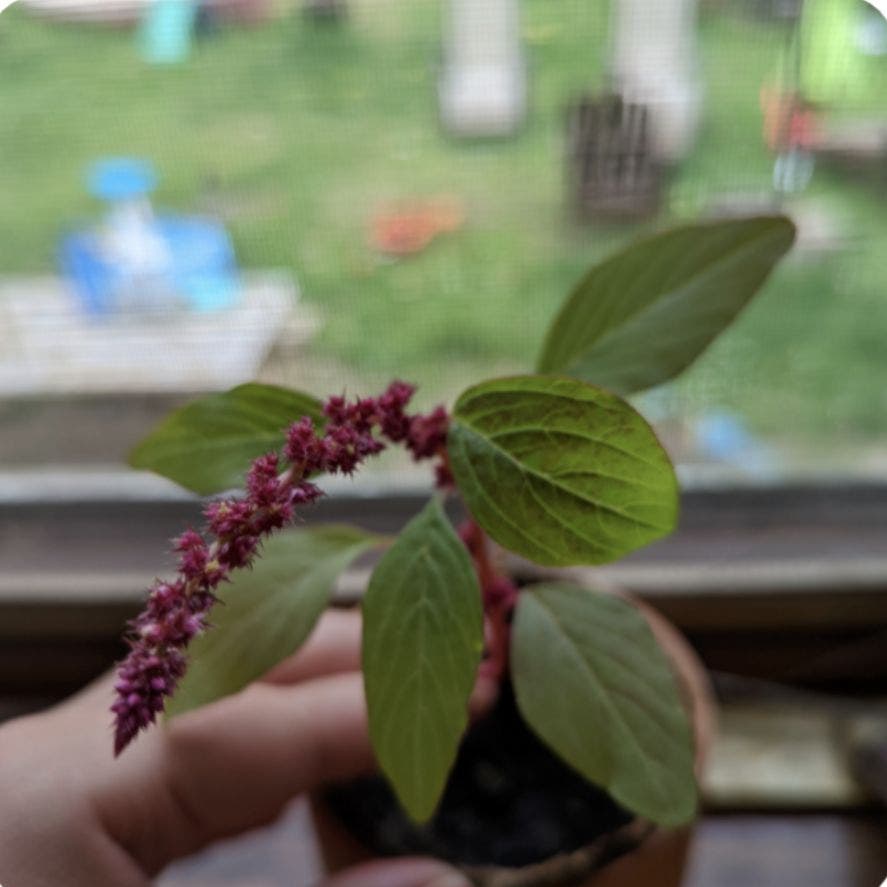
Is Direct Sunlight Good for My Largefruit Amaranth?
Amaranthus deflexus
By the Greg Editorial Team
Mar 05, 2024•4 min read
This article was created with the help of AI so we can cover more plants for you. May contain errors. See one? Report it here.
Nurture your Largefruit Amaranth to thrive 🌿 by decoding its ideal sunlight needs and dodging sunburn snafus! ☀️
- 🌤️ Prefers indirect sunlight to avoid leaf scorching.
- 🌱 Window orientation matters for optimal light exposure.
- 🌞🌿 Seasonal adjustments protect from excessive sun.
Sunlight Decoded: What Does Your Largefruit Amaranth Prefer?
🌞 Direct vs. Indirect Sunlight Simplified
Imagine your Largefruit Amaranth basking in a beam of light that's straight from the sun—no curtains, no shades. That's direct sunlight, the kind that casts sharp shadows and can be intense. It's the spotlight on a stage, the main event.
Indirect sunlight is the supporting act. It's still bright, but it's like the light filtered through a sheer curtain or bouncing off a wall. It's the gentle glow that fills a room without the harshness of direct rays.
🌱 Largefruit Amaranth's Sunlight Needs
Direct sunlight? Not this plant's best friend. The Largefruit Amaranth prefers to avoid the limelight of the midday sun. It's more of a shade-seeker, thriving in conditions where the light is bright but not direct.
When the thermometer hits 90℉ (32℃), it's time to act. Shield your amaranth from the afternoon sun, especially in summer when sunlight is both stronger and lasts longer. Remember, it's not just about avoiding the heat; it's about protecting your plant from too much of a good thing.
When the Sun Hits Your Windows: Direct Sunlight and Your Home
🌅 Understanding Your Windows' Orientation
Your Largefruit Amaranth's tan depends heavily on which way your windows are facing. East-facing windows serve up a gentle morning light, ideal for a soft start to the day. West-facing windows, however, deliver a stronger dose of afternoon sun, which can be a bit much for some plants. If your windows face south (in the Northern Hemisphere) or north (in the Southern Hemisphere), you're dealing with the sun's full force—great for sun lovers, risky for the rest.
🌐 Hemisphere Hints
The hemisphere you call home flips the script on window orientation. North-facing windows in the Southern Hemisphere and south-facing in the Northern Hemisphere are your plant's VIP ticket to sunshine central. But remember, too much direct sunlight can lead to a crispy plant, so keep an eye on your green buddy and adjust its position as needed.
Seasonal Shifts and Your Largefruit Amaranth
🌞 Summer vs. Winter Sun
In the summer, your Largefruit Amaranth is like a beachgoer who forgot their sunscreen—too much direct sunlight can lead to a plant version of sunburn. Shade is your friend during peak afternoon hours. Conversely, winter's weak sun calls for a front-row seat by the window. Your plant's craving for light intensifies as days shorten, so don't shy away from giving it a sunny spot to compensate for the season's natural gloom.
💡 Indoor Lighting: A Sun Substitute?
Can indoor lighting fill the sun's shoes on a cloudy day? Absolutely. Think of grow lights as caffeine for your Largefruit Amaranth—energizing but not overwhelming. A 6500k bulb can mimic the sun's spectrum, keeping your green buddy perky and photosynthesizing even when the skies are gray. Just remember, it's not about blasting your plant with light 24/7; it's about simulating the natural ebb and flow of daylight.
Keeping Your Largefruit Amaranth Happy in the Sun
🌞 Signs of Too Much Love from the Sun
Leaf wilting during the day can be a normal response to sunlight in Largefruit Amaranth, but persistent droopiness is a red flag. It's screaming for hydration. Scorched leaves are the plant equivalent of a nasty sunburn. If you spot leaves turning crispy or bearing brown spots, it's time to rethink your plant's sunbathing routine.
🌅 Balancing Act: Managing Sun Exposure
Morning sun is your Largefruit Amaranth's best friend, offering a gentle warmth without the harsh midday glare. Aim for a spot with afternoon shade to protect it from the more intense rays. If your plant is in a container, don't hesitate to play musical chairs and move it indoors when the sun is just too much. Hydration is key; water when the top 2 inches of soil feel like a dry desert. And remember, the sun's power play changes with the seasons—adjust your plant's location accordingly.
⚠️ Safety First
This content is for general information and may contain errors, omissions, or outdated details. It is not medical, veterinary advice, or an endorsement of therapeutic claims.
Always consult a qualified healthcare professional before using any plant as food, medicine, or supplement.
Never eat any plant (or feed one to pets) without confirming its identity with at least two trusted sources.
If you suspect poisoning, call Poison Control (800) 222-1222, the Pet Poison Helpline (800) 213-6680, or your local emergency service immediately.
Spotted an error? Please report it here.
Ensure your Largefruit Amaranth flourishes with the right amount of gentle light 🌤 by using Greg's PlantVision to find the perfect spot, avoiding the harsh midday sun.