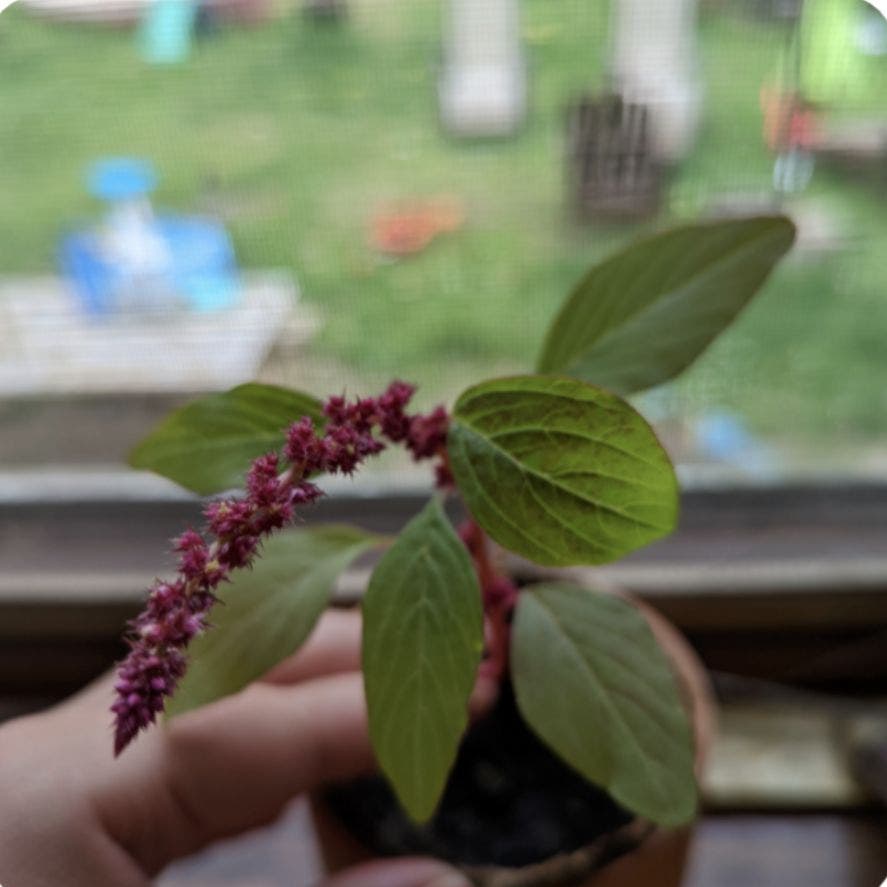
💧 Care for Largefruit Amaranth: Preventing Wilting
Amaranthus deflexus
By the Greg Editorial Team
Sep 30, 2024•5 min read
This article was created with the help of AI so we can cover more plants for you. May contain errors. See one? Report it here.
Transform your wilting Largefruit Amaranth into a thriving beauty with essential care tips! 🌿
- 💧🌞 Wilting in Largefruit Amaranth is caused by water and heat stress.
- 🌡️ Monitor soil moisture and environmental conditions to prevent wilting effectively.
- 🌿 Bottom watering and mulch help maintain moisture and support plant health.
Causes of Wilting
Common Causes 🌊
Wilting in Largefruit Amaranth often stems from water stress. Symptoms include drooping leaves and dry soil, typically caused by inconsistent watering—either too much or too little.
Heat stress is another major culprit. Look for signs like leaf curling and browning edges, which usually occur when temperatures soar without adequate hydration.
Environmental sensitivity can also play a role. Rapid changes in temperature or humidity can destabilize the plant, leading to wilting.
Uncommon Causes 🦠
While less common, disease-related wilting can occur. Pathogenic wilt is rare in Largefruit Amaranth, but if you notice sudden wilting without prior signs of stress, it’s worth investigating.
Always prioritize ruling out the more common causes first. This approach ensures you address the root of the problem effectively.
Diagnosing Wilting
Step-by-Step Guide 🌱
Assess Soil Moisture
Start by checking the soil with your fingers. Is it dry or overly wet? This simple test can reveal a lot about your plant's hydration needs.Observe Environmental Conditions
Take note of the temperature and humidity levels. Recent weather changes can also impact your plant's health, so keep an eye on those fluctuations.Inspect Leaves and Stems
Look closely at the leaves and stems for any discoloration, spots, or signs of pests. These visual cues can help pinpoint the problem.Evaluate Watering Routine
Reflect on how often and how much water you’ve been giving your Largefruit Amaranth. An inconsistent watering routine can lead to wilting.
Identifying Symptoms 🔍
Recognizing specific symptoms is crucial for effective diagnosis. Water stress often manifests as drooping leaves, while heat stress can cause leaf curling and browning edges.
Understanding how environmental factors contribute to wilting is equally important. Rapid changes in temperature or humidity can destabilize your plant, leading to distress.
By following these steps, you can effectively diagnose the cause of wilting in your Largefruit Amaranth and take the necessary actions to revive it. Next, let’s explore solutions for addressing these issues.
Solutions for Wilting
🌊 Addressing Water Stress
Proper watering is crucial for Largefruit Amaranth health. One effective technique is bottom watering, which ensures even moisture distribution throughout the soil.
Water your plants when the top inch of soil feels dry. This simple practice helps prevent both overwatering and underwatering, keeping your plants happy and hydrated.
☀️ Managing Heat Stress
Heat stress can be detrimental to your plants, but there are strategies to mitigate its effects. Providing shade during peak sun hours can significantly reduce heat exposure.
Additionally, increase your watering frequency during hot spells. This proactive approach helps maintain moisture levels and keeps your plants thriving.
🌱 Techniques for Reviving Wilted Plants
If your Largefruit Amaranth is wilting, don’t despair! Follow these step-by-step revival techniques to bring your plants back to life:
- Assess the level of wilting: Determine how severe the wilting is.
- Implement bottom watering: Use this method to ensure even moisture.
- Relocate to a cooler, shaded area temporarily: This helps reduce stress.
- Prune damaged leaves: Trimming encourages new growth and revitalizes the plant.
By following these steps, you can effectively revive your wilted plants and restore their vitality.
With these solutions in hand, you’re well-equipped to tackle wilting issues. Next, let’s explore preventive measures to keep your Largefruit Amaranth thriving all season long.
Preventive Measures
Best Practices 🌱
Establishing a consistent watering schedule is crucial for Largefruit Amaranth. Aim to water at the same time each day to help your plants thrive.
Regularly monitor environmental conditions to catch any changes that could stress your plants. Keep an eye on temperature and humidity levels, adjusting your care routine as needed.
Using mulch can significantly help retain soil moisture. A layer of organic mulch not only conserves water but also suppresses weeds, giving your plants a better chance to flourish.
Environmental Adjustments ☀️
Optimal placement for sunlight exposure is key. Ensure your Largefruit Amaranth gets the right amount of light without being scorched by the sun.
Adjust your watering based on seasonal changes. During hotter months, you may need to increase frequency, while cooler months might require less.
By implementing these preventive measures, you can create a stable environment that supports healthy growth. This proactive approach will help you enjoy a flourishing garden, free from the stress of wilting.
Next, let’s explore when to seek help for your plants if issues persist despite your best efforts.
When to Seek Help
🚨 Signs That Require Expert Assistance
Sometimes, despite your best efforts, your Largefruit Amaranth may continue to wilt. If you notice persistent wilting even after trying corrective measures, it’s time to seek help.
Unusual symptoms that don’t align with common causes can also signal a need for expert advice. Keep an eye out for any strange discoloration or growth patterns that seem off.
📚 Resources
When you need guidance, local experts can be invaluable. Consider reaching out to nearby gardening centers or agricultural extensions for tailored advice.
Online platforms like Greg offer community support where you can connect with fellow gardeners. Sharing your experiences can lead to insights that help revive your plants and enhance your gardening journey.
⚠️ Safety First
This content is for general information and may contain errors, omissions, or outdated details. It is not medical, veterinary advice, or an endorsement of therapeutic claims.
Always consult a qualified healthcare professional before using any plant as food, medicine, or supplement.
Never eat any plant (or feed one to pets) without confirming its identity with at least two trusted sources.
If you suspect poisoning, call Poison Control (800) 222-1222, the Pet Poison Helpline (800) 213-6680, or your local emergency service immediately.
Spotted an error? Please report it here.
Keep your Largefruit Amaranth thriving 🌿 by using Greg's tailored watering reminders and community insights to prevent wilting and ensure optimal care!