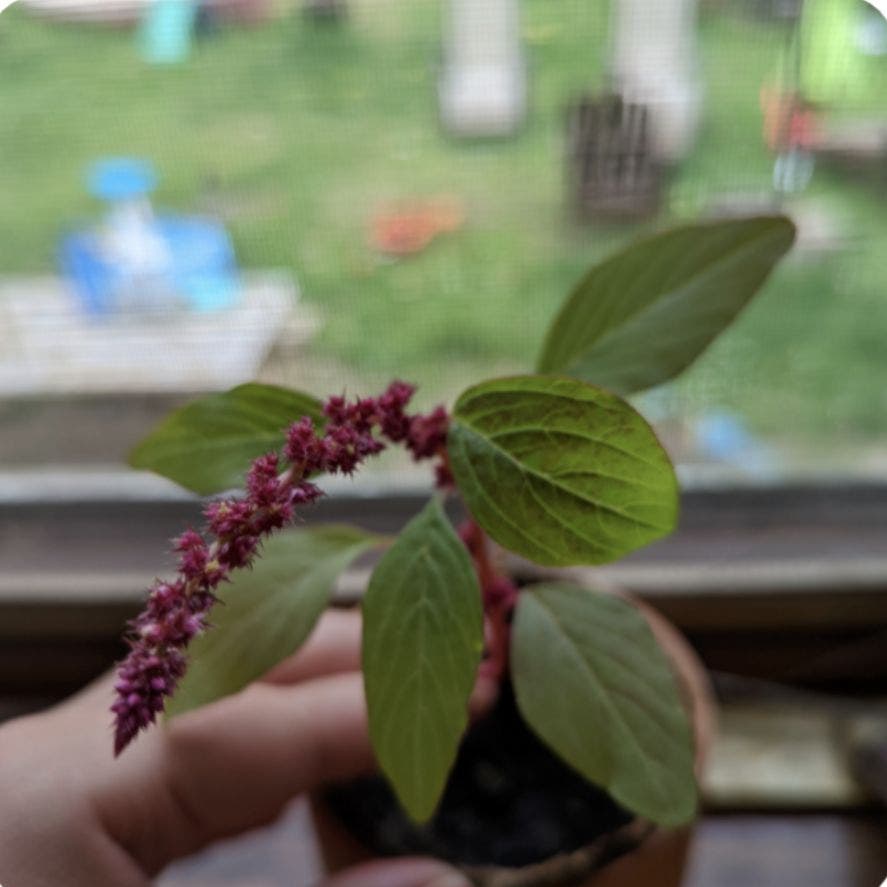
Should I Repot My Largefruit Amaranth And If So, How?
Amaranthus deflexus
By the Greg Editorial Team
Mar 05, 2024•5 min read
This article was created with the help of AI so we can cover more plants for you. May contain errors. See one? Report it here.
Ensure your Amaranth thrives with this essential guide to timely repotting. 🌱🔄
- Repot when roots peek out or water drains too quickly.
- Spring or early summer is best for repotting Largefruit Amaranth.
- Choose the right pot with drainage holes and proper size.
Spotting the Tell-Tale Signs for Repotting
🌱 Root Tango: When Roots Out-Dance the Pot
Roots should be comfortably contained, but when they start peeking out of the drainage holes or spiraling on the surface, it's repotting time. This root tango is a clear sign they're cramped and craving more space.
💧 Thirsty Much? Water Drainage Woes
If water runs through the soil like a sieve, leaving it dry too quickly, it's a red flag. Your plant's roots have likely taken over, leaving little room for soil and moisture—time to give your amaranth a new home.
🌱 The Stunted Growth Blues
When growth stalls, it's not just a phase—it's a plea for help. A root-bound plant can't access the nutrients it needs, leading to stunted growth. Don't ignore this cry for more room; your amaranth depends on it.
Timing is Everything: When to Repot
⏰ Seasonal Sweet Spots for Repotting
Spring is the prime time for repotting your Largefruit Amaranth. It's when the plant is primed for growth, ready to take advantage of the fresh soil and extra space. Think of it as the plant's New Year's resolution—time to grow and prosper. If you miss the spring window, early summer can also work, but it's like catching the last train home—doable, but not ideal.
Growth Stage and Repotting: The Dynamic Duo
Align repotting with your plant's growth stage. Look for signs like new leaves or buds that indicate your Amaranth is leaving dormancy behind. This is the plant's way of saying, "I'm ready for the next big thing." If it's been a couple of years since the last repot, your plant's probably itching for a change. However, avoid repotting during flowering—it's like renovating the house during a party. Instead, wait until the post-bloom period when your plant can focus on settling into its new home without distractions.
The Repotting Rundown: A Step-by-Step Guide
🌱 Prepping the New Pad: Pot and Soil Selection
Choose wisely—the new pot should be a couple of inches larger in diameter than the old one. This gives your Largefruit Amaranth room to grow without drowning in excess soil. Terracotta, plastic, or ceramic? Each has its perks, but drainage holes are non-negotiable.
For soil, mix well-draining ingredients like peat with a dash of perlite or sand. Your amaranth isn't picky, but it despises soggy feet. Lay a welcoming layer at the bottom of the new pot, and you're set for the uprooting gala.
🌿 The Gentle Uproot: Safely Extracting Your Plant
It's showtime. Water your plant to make the roots more pliable. Tilt and coax the amaranth out like you're asking for the next dance—no sudden moves. If it's stubborn, tap the pot's edges or slide a knife around the inside to loosen the grip.
Inspect the root ball. If roots are circling, gently tease them apart. Snip any dead or overly long roots, but treat the living ones with the delicacy they deserve. They're the lifeline of your green buddy, after all.
🏡 Home Sweet Home: Settling into the New Pot
Now, nestle your plant in the center of the new pot. It should sit at the same depth as before—no deeper, no shallower. Fill in around the roots with your soil mix, tapping the pot to settle the soil without compacting it.
Water thoroughly to help your amaranth acclimate to its new abode. Not a flood, just a proper welcome drink. And there you have it, your Largefruit Amaranth's new pad is ready to roll.
Picking the Perfect Pot: Material Matters
🏺 Terracotta vs. Plastic vs. Ceramic: The Great Debate
Terracotta is the OG of pot materials, breathing like a yogi and wicking moisture away. It's your pick if you're prone to over-love with water, but it's also a bit of a heavyweight and can break like your heart when dropped. Plastic is the low-maintenance buddy, cheap and light, but it'll hold onto water like a grudge—watch out for overwatering. Ceramic strikes a balance, less porous than terracotta but still with some breathability, and it dresses up your space like nobody's business.
Size and Drainage: The Dynamic Duo for Thriving Amaranth
Size does matter—too big and your amaranth's roots might throw a pool party with all that extra moisture. Too small, and they'll feel cramped like a clown car. Aim for a pot that gives your plant's roots room to grow without going overboard. Drainage holes are the unsung heroes, letting excess water escape like a smooth criminal, so your amaranth doesn't drown in soggy despair.
Aftercare: Helping Your Amaranth Settle In
💧 The First Few Weeks: Watering and Observation
After repotting your Largefruit Amaranth, watering is like threading a needle—too much or too little, and you'll see it in the plant's demeanor. Start with a moderate watering to moisten the new soil, then let it guide you. Yellow leaves? You might be overdoing it. Droopy? It's thirsty. Keep the soil consistently moist, but not a swamp.
🌱 Long-Term Love: Ensuring Continued Growth
Your Amaranth doesn't need a helicopter parent, but it does crave consistency. Stick to a watering schedule that keeps the soil slightly moist. Hold off on the fertilizer; the fresh soil has enough nutrients to last a while. Instead, focus on providing ample sunlight and love. Watch for signs of growth—they're the silent cheers of your plant thriving.
⚠️ Safety First
This content is for general information and may contain errors, omissions, or outdated details. It is not medical, veterinary advice, or an endorsement of therapeutic claims.
Always consult a qualified healthcare professional before using any plant as food, medicine, or supplement.
Never eat any plant (or feed one to pets) without confirming its identity with at least two trusted sources.
If you suspect poisoning, call Poison Control (800) 222-1222, the Pet Poison Helpline (800) 213-6680, or your local emergency service immediately.
Spotted an error? Please report it here.
Repot your Largefruit Amaranth seamlessly 🌿 - let Greg guide you with custom reminders and precise care tips to ensure a smooth transition and vibrant growth.