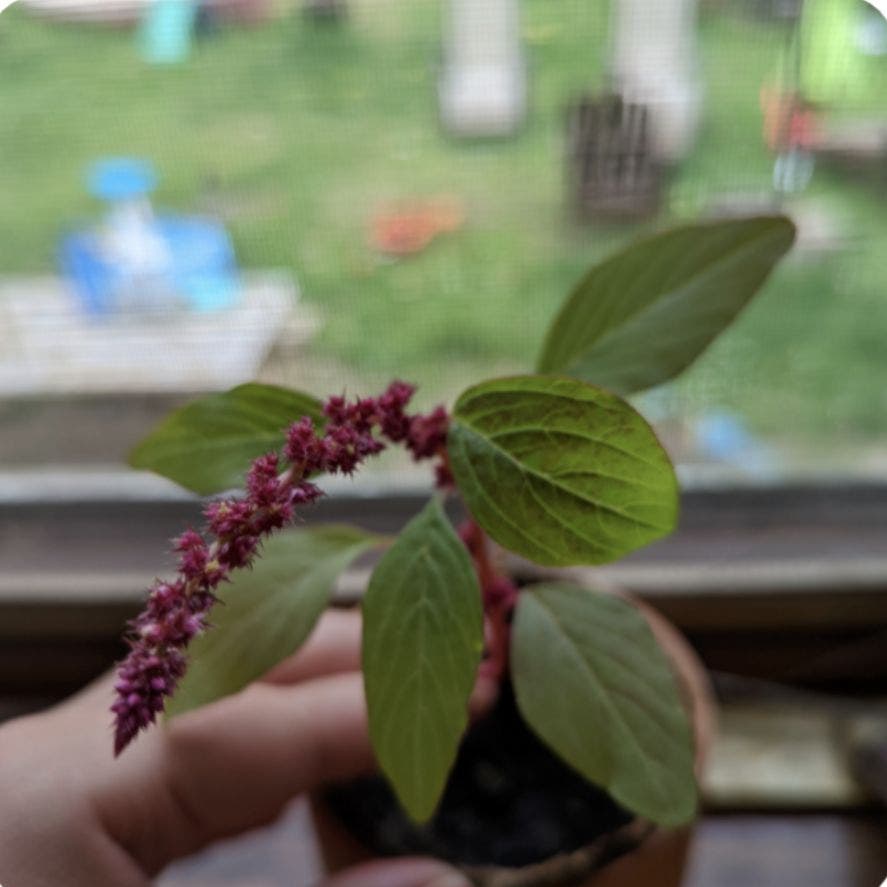
When and Where Should I Trim My Largefruit Amaranth?
Amaranthus deflexus
By the Greg Editorial Team
Mar 05, 2024•5 min read
This article was created with the help of AI so we can cover more plants for you. May contain errors. See one? Report it here.
Achieve a thriving, eye-catching Largefruit Amaranth with timely trims—your guide to year-round plant perfection! 🌿✂️
- 🌱 Spring pruning rejuvenates, while summer and fall maintain shape and health.
- 🍂 Prune when overgrown or showing brown, wilting leaves and damaged stems.
- ✂️ Use correct techniques and keep tools sharp to avoid common pruning mistakes.
Best Times for Pruning Largefruit Amaranth
🌱 Seasonal Pruning Windows
Spring is your cue to encourage new growth. It's the time for rejuvenation, where snipping away the old makes room for the new. As temperatures rise, be mindful of the heat's impact on your Largefruit Amaranth, and consider providing some shade during the intense afternoon sun.
Come summer, it's all about maintenance. Keep your plant in shape by trimming any overgrowth. This not only maintains aesthetics but also supports a healthier, more robust plant that can better withstand the summer's harsher light and longer days.
Fall is about preparation. As the plant winds down, you're getting it ready for dormancy. This isn't the time for drastic cuts, but rather for tidying up—removing any dead or diseased limbs to ensure a clean slate for the winter.
🚩 Signs It's Time to Prune
When your Largefruit Amaranth starts resembling an overgrown hedge, it's time to grab those shears. Overgrowth can lead to a lack of air circulation, which invites disease.
Keep an eye out for health-related cues. Brown or wilting leaves are your plant's SOS; they need to go. Similarly, if you spot stems that are damaged or showing signs of disease—think discoloration or lack of new growth—those are your targets.
Remember, while pruning is beneficial, going Edward Scissorhands on your plant is not. Removing more than 20% of the foliage at once can stress your amaranth. Prune with care, and your plant will thank you with lush, vibrant growth.
Pruning for Health and Aesthetics
🌱 Targeted Trimming
When it comes to pruning your Largefruit Amaranth, think precision. Identify stems that are damaged or diseased and cut them off. This isn't just a cosmetic fix; it's like a plant version of surgery to keep the whole organism thriving.
🩹 Dealing with Damaged or Diseased Foliage
Got brown spots or wilting leaves? Trim them away. This isn't just about looks; it's about stopping the spread of potential plant plagues and promoting better airflow, which is like a breath of fresh air for your Amaranth's health.
🌿 Shaping Your Amaranth
🖌️ Techniques for Aesthetic Shaping
When shaping your Amaranth, it's all about the snip and clip. Pinching back the tips can encourage bushier growth, while strategic cuts can help maintain a compact, attractive form. Remember, you're not just pruning; you're an artist with shears.
⚖️ Balancing Natural Form with Desired Appearance
Look at your plant from different angles and decide on the shape that pleases your eye while respecting the Amaranth's natural form. Balance is key; you want to avoid a lopsided botanical disaster. Prune with a purpose, but don't get snip-happy – less can be more.
Pruning Techniques and Best Practices
🌱 Technique Mastery
Pinching is your go-to for promoting bushier growth. Just nip the tips of your Largefruit Amaranth, and voilà, you're on your way to a fuller plant. Thinning is the Marie Kondo of pruning techniques; it declutters your plant's interior, letting light and air spark joy among the leaves. Shearing is your hedge's best friend, keeping those lines sharper than a hipster's haircut.
When to use each? Pinch when you see new growth, thin out when the center gets as crowded as a subway at rush hour, and shear when you're aiming for that perfect plant cube—or whatever shape floats your boat.
🌿 Pruning Etiquette
Avoid common pruning blunders like they're the last slice of pizza at a party—everyone's eyeing it, but no one wants the guilt. Don't overdo it; taking off more than a third of your plant is like a botched DIY haircut—regrettable. Understand that your plant needs time to recover, like you after leg day at the gym. Keep your tools clean and sharp; a dirty or dull blade is about as useful as a chocolate teapot.
Remember, it's not a race. Step back, assess, and proceed with the precision of a ninja. Your plant will thank you with growth that's as robust as your morning coffee.
Choosing and Caring for Your Pruning Tools
🛠️ Essential Pruning Tools
Selecting the right tool for pruning your Largefruit Amaranth is like picking the perfect pair of shoes for a marathon – it can make or break the experience. Pruning shears are the MVPs here, ideal for most cuts. For thicker stems, you might want to bring in the heavy hitters: loppers or a pruning saw. Remember, precision is key, so don't skimp on quality. A well-chosen tool feels less like a chore and more like an extension of your own hand.
🧼 Tool Maintenance
After each pruning session, your tools deserve a spa treatment. Clean and sharpen them to maintain their edge—think of it as preventative care for your plants. Disinfectant is a must; rubbing alcohol or a bleach solution will do the trick. It's like hand sanitizer for your shears, keeping diseases at bay. Regular maintenance not only extends the life of your tools but also ensures your Amaranth isn't exposed to any nasty pathogens. A sharp blade makes a clean cut, which is crucial for rapid healing. And let's be real, there's something deeply satisfying about the sound of a clean snip.
⚠️ Safety First
This content is for general information and may contain errors, omissions, or outdated details. It is not medical, veterinary advice, or an endorsement of therapeutic claims.
Always consult a qualified healthcare professional before using any plant as food, medicine, or supplement.
Never eat any plant (or feed one to pets) without confirming its identity with at least two trusted sources.
If you suspect poisoning, call Poison Control (800) 222-1222, the Pet Poison Helpline (800) 213-6680, or your local emergency service immediately.
Spotted an error? Please report it here.
Trim your Largefruit Amaranth to perfection and avoid pruning pitfalls 🌿 with Greg's custom reminders tailored to your plant's specific needs and seasonal timing.