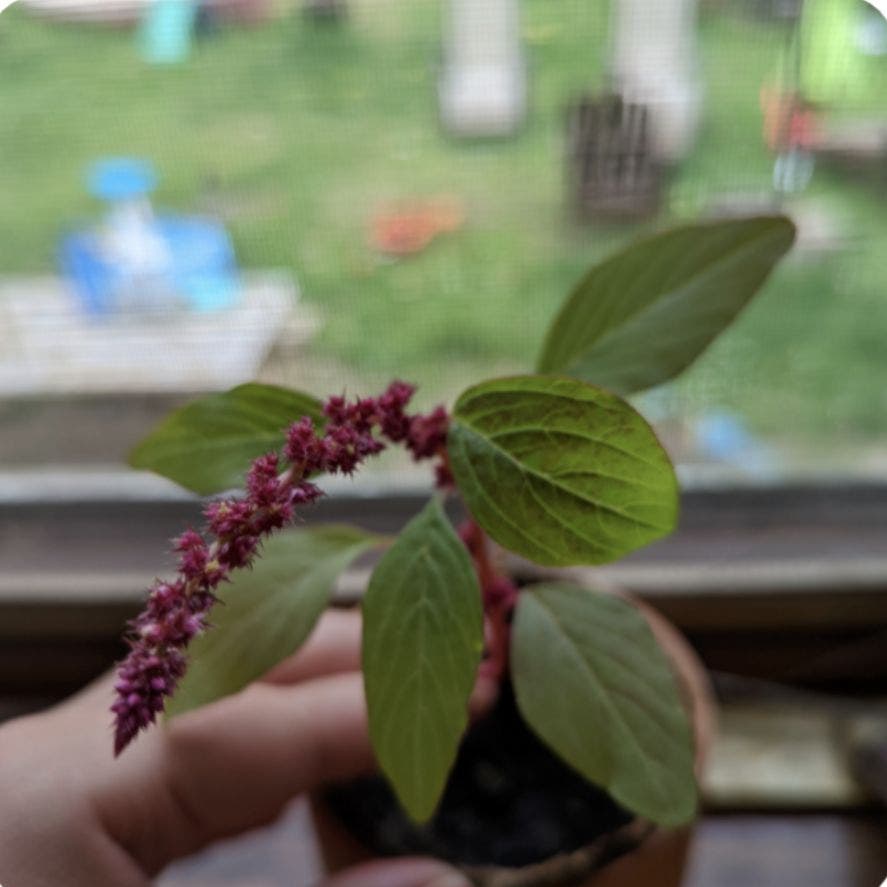
📏 How Tall Your Largefruit Amaranth Can Get
Amaranthus deflexus
By the Greg Editorial Team
Sep 30, 2024•4 min read
This article was created with the help of AI so we can cover more plants for you. May contain errors. See one? Report it here.
Elevate your garden's beauty with Largefruit Amaranth's vibrant colors and impressive height! 🌱
- 🌱 Largefruit Amaranth grows 3 to 6 feet tall; dwarf varieties stay under 2 feet.
- ☀️💧 Optimal growth requires rich soil, full sunlight, and consistent moisture.
- 🌼 Height peaks during flowering; proper care ensures a flourishing garden.
Growth Characteristics
Mature Height and Spread 🌱
Largefruit Amaranth typically reaches a mature height of 3 to 6 feet, depending on various growing conditions. The average spread of the plant ranges from 2 to 3 feet, making it a substantial addition to any garden.
Several factors influence the height of Largefruit Amaranth:
- Soil Quality: Rich, well-draining soil promotes taller growth.
- Water Availability: Consistent moisture is key for optimal height.
- Sunlight Exposure: Full sun encourages robust growth.
Interestingly, the plant often achieves its maximum height during the flowering stage, showcasing its impressive stature.
Growth Rate and Time to Maturity ⏳
Largefruit Amaranth boasts a fast growth rate, typically reaching maturity within 60 to 90 days. Early varieties can mature in as little as 60 days, while late varieties may take up to 90 days.
Several factors can affect this growth rate:
- Nutrient Availability: Adequate nutrients are essential for quick development.
- Consistency of Watering: Regular watering supports steady growth.
- Temperature Fluctuations: Extreme temperatures can slow down the growth process.
Size Variability Based on Conditions 🌍
The size of Largefruit Amaranth can vary significantly based on environmental conditions. Optimal conditions—like rich soil and ample sunlight—lead to maximum height and spread.
Conversely, poor conditions can stunt growth considerably.
Height differences can also arise from:
- Soil Type: Nutrient-rich soils yield taller plants.
- Local Climate: Weather patterns influence overall dimensions.
Understanding these factors can help you cultivate the best possible version of Largefruit Amaranth in your garden.
With this knowledge, you can make informed decisions about planting and care, ensuring your plants thrive beautifully.
Varieties and Their Growth Potential
🌱 Dwarf Varieties
Dwarf Largefruit Amaranth typically grows to under 2 feet tall. These plants are compact and bushy, making them perfect for small gardens or container planting.
Their manageable size allows for easy maintenance and a vibrant display without overwhelming your space. If you're looking to add a pop of color to a limited area, dwarf varieties are an excellent choice.
🌳 Giant Varieties
On the other end of the spectrum, giant Largefruit Amaranth can exceed 6 feet in height. These tall, upright plants are ideal for maximizing vertical space in your garden.
Their impressive stature not only creates a striking visual impact but also provides a backdrop for shorter plants. If you have the room, consider incorporating giant varieties to create a stunning focal point.
Understanding the differences between dwarf and giant varieties helps you choose the right fit for your gardening needs. Whether you're limited on space or looking to make a bold statement, Largefruit Amaranth has a variety that suits your vision.
Next, let’s explore how to control the size of these remarkable plants for optimal growth.
Controlling Size
Pruning Techniques ✂️
To manage the size of your Largefruit Amaranth, timing is crucial. Prune early in the growing season for the best results.
Pinching back the tips of the plant encourages bushier growth. This simple technique can help create a fuller appearance.
Removing lower leaves promotes upward growth, allowing the plant to focus its energy on reaching new heights.
For effective pruning, use clean, sharp pruning shears. This ensures clean cuts and minimizes stress on the plant.
Other Methods to Control Growth 📏
Adjusting fertilization can also play a significant role in controlling size. Reducing nitrogen levels can limit height, keeping your plants more manageable.
Container gardening is another effective strategy. By restricting root space, you can naturally control the overall size of your Largefruit Amaranth.
Using support structures, like stakes, can help manage taller varieties. This not only keeps them upright but also prevents potential damage from wind or heavy rain.
With these techniques, you can cultivate your Largefruit Amaranth to fit your garden's unique space and aesthetic.
Next, let’s explore the size differences among various Largefruit Amaranth varieties and how they can impact your gardening choices.
Comparative Analysis
Size Differences in Varieties 🌱
Largefruit Amaranth stands out in the garden with its impressive height, often reaching between 3 to 6 feet. When compared to other amaranth species, it tends to be taller, making it a striking choice for vertical gardening.
Breeding Influence on Size Variability 🧬
Breeding practices have played a significant role in the size variability of Largefruit Amaranth. Selective breeding has led to the development of both dwarf and giant varieties, catering to different gardening needs and preferences.
Implications for Gardeners 🌼
For gardeners, choosing the right variety is crucial. If space is limited, dwarf varieties are ideal, while those with ample room can opt for the towering giants to create a dramatic focal point. Understanding these size differences helps in planning a garden that is both functional and visually appealing.
As you consider your options, think about how each variety fits into your overall garden design. This knowledge can guide your choices, ensuring your garden flourishes beautifully.
⚠️ Safety First
This content is for general information and may contain errors, omissions, or outdated details. It is not medical, veterinary advice, or an endorsement of therapeutic claims.
Always consult a qualified healthcare professional before using any plant as food, medicine, or supplement.
Never eat any plant (or feed one to pets) without confirming its identity with at least two trusted sources.
If you suspect poisoning, call Poison Control (800) 222-1222, the Pet Poison Helpline (800) 213-6680, or your local emergency service immediately.
Spotted an error? Please report it here.
Unlock the full height potential of your Largefruit Amaranth 🌿 with Greg's tailored watering and care reminders to create a breathtaking garden display!