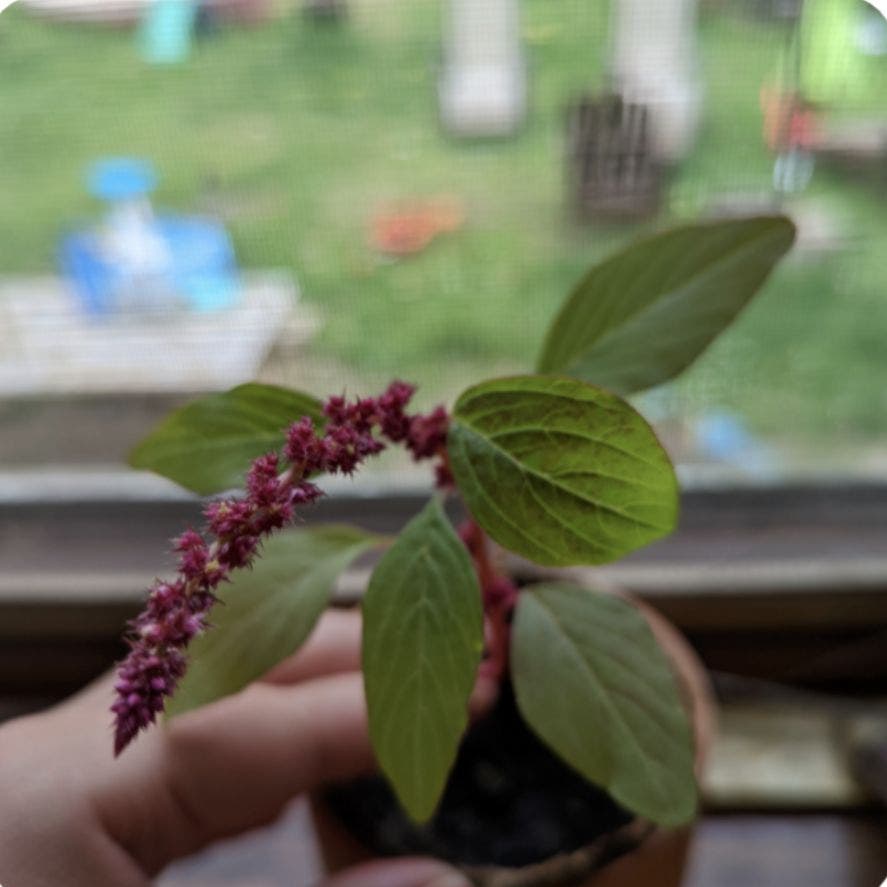
What Temperature Does My Largefruit Amaranth Need?
Amaranthus deflexus
By the Greg Editorial Team
Mar 05, 2024•4 min read
This article was created with the help of AI so we can cover more plants for you. May contain errors. See one? Report it here.
Nurture your Largefruit Amaranth to vibrant health with the ideal warmth guide 🌡️🌱.
- Daytime 70-80℉, nighttime 60-70℉ for happy Largefruit Amaranth.
- Germination needs warmth: 70-80℉ kickstarts growth.
- Monitor and adjust temps with thermometers, heating mats.
When It's Just Right: Hitting the Temperature Sweet Spot
🌡️ Day vs. Night: The Largefruit Amaranth's Temperature Dance
Ideal daytime temperatures for Largefruit Amaranth hover around the 70-80℉ (21-27℃) mark. This range ensures the plant's photosynthesis and nutrient uptake are running a sprint, not a sluggish jog.
Come nightfall, cooler temperatures are welcomed, but how cool is too cool? Aim for a night-time drop to around 60-70℉ (16-21℃). This slight chill won't leave your amaranth shivering but will encourage robust growth.
From Seedling to Full Bloom: Temperature's Role at Each Stage
Germination is the Largefruit Amaranth's warm-up act, requiring a cozy 70-80℉ (21-27℃) to kickstart growth. It's like a plant incubator that gets those seeds ready to face the world.
As the plant enters the vegetative and flowering stages, balance is key. Maintain daytime temperatures within the ideal range, but don't let the night-time dips become deep dives. Consistent warmth promotes lush leaves and vibrant blooms, but don't crank up the heat too much—over 90℉ (32℃) and you're in the danger zone for wilting and damage. Keep an eye out for drooping during the day; it's normal, but persistent wilting is a cry for help—usually for water.
Signs of a Temperature Tantrum
🌡️ Visual Cues: When Your Plant is Feeling the Heat or Cold
Leaves curling or wilting? That's your Largefruit Amaranth's way of saying it's either too hot or too cold. Flat, happy leaves are a sign of temperature contentment. Keep them away from drafts and direct, scorching sunlight.
Flower and seed production can go haywire when temperatures swing. Expect fewer blooms and seed set if your plant is not in its comfort zone. It's a survival tactic—your amaranth is conserving energy for more favorable times.
🎬 Behind the Scenes: Understanding the Effects of Temperature Extremes
When temperatures are off, your Largefruit Amaranth's internal processes get chaotic. Enzymes that drive growth and metabolism start to falter, leading to stunted growth or even cellular damage.
Extreme heat can cause your plant to transpire excessively, leading to dehydration and a stressed-out amaranth. In contrast, cold temperatures can slow down growth to a crawl and damage tissue, leaving you with a plant that's struggling to keep up appearances.
Keeping Your Cool (or Warmth): Managing Temperature for Largefruit Amaranth
🌡️ The Great Indoors vs. Outdoors Debate: Where to Grow Your Amaranth
Deciding where to plant your Largefruit Amaranth is a temperature tug-of-war. Indoors offers a controlled environment, shielding your green buddy from the whims of Mother Nature. Outdoors, however, can be a gamble with rewards; natural sunlight and airflow can do wonders, but only if the mercury plays nice.
🛠️ Tools of the Trade: Gadgets and Gizmos to Monitor and Adjust Temperature
Thermometers are your secret weapon in the battle against temperature fluctuations. Think of heating mats as your plant's personal space heaters, offering roots a cozy retreat from the cold. In the scorching summer, shade and hydration are your best allies, while frost cloths become your winter warriors, tucking your amaranth in against the chill.
A Quick Nod to Humidity: The Sidekick to Temperature
🌿 How Humidity Plays a Supporting Role
While temperature may be the lead actor in the Largefruit Amaranth's growth saga, humidity plays a crucial supporting role. Just as a sidekick complements the hero in a blockbuster, humidity complements temperature in the garden.
🌡️ The Humidity-Temperature Tango
Warm air can hold more moisture, which is a boon for your Largefruit Amaranth during the growing season. But when temperatures dip, that moisture-rich air can become stingy, leaving your plant's leaves as crisp as autumn leaves.
🌱 Humidity's Effect on Plant Health
Too little humidity, and you might find your Largefruit Amaranth's leaves withering like an unwatered flower. Too much, and you're rolling out the red carpet for unwanted fungal guests. It's about finding that Goldilocks zone of just-right humidity.
🌴 Quick Humidity Hacks
No need to turn your home into a rainforest; a simple pebble tray or a room humidifier can do the trick. Think of it as giving your plant a tropical high-five. Keep the air moist, and your Largefruit Amaranth will likely respond with vigorous growth and vibrant blooms.
⚠️ Safety First
This content is for general information and may contain errors, omissions, or outdated details. It is not medical, veterinary advice, or an endorsement of therapeutic claims.
Always consult a qualified healthcare professional before using any plant as food, medicine, or supplement.
Never eat any plant (or feed one to pets) without confirming its identity with at least two trusted sources.
If you suspect poisoning, call Poison Control (800) 222-1222, the Pet Poison Helpline (800) 213-6680, or your local emergency service immediately.
Spotted an error? Please report it here.
Keep your Largefruit Amaranth flourishing with just-right temperatures 🌡 by relying on Greg's reminders to adjust your plant's cozy environment for peak photosynthesis and blooms.