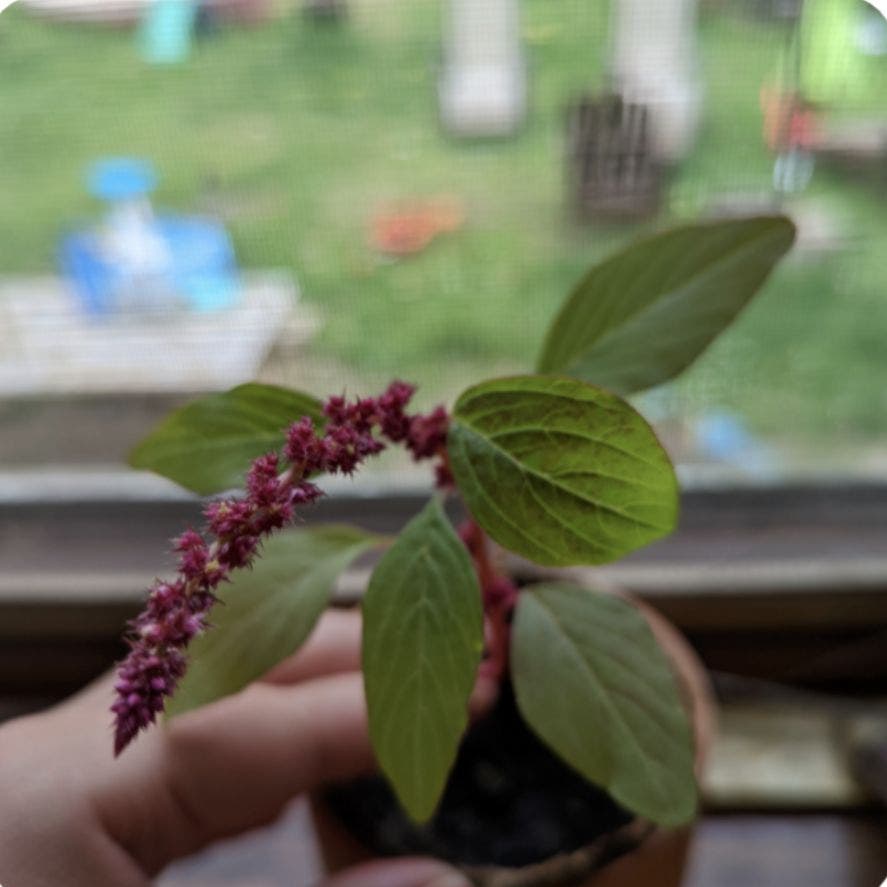
Why Are My Largefruit Amaranth Leaves Falling Over?
Amaranthus deflexus
By the Greg Editorial Team
Mar 05, 2024•4 min read
This article was created with the help of AI so we can cover more plants for you. May contain errors. See one? Report it here.
Prevent your Amaranth's leaves from wilting 🍂 with these proven plant care strategies!
- Overwatering? Let soil dry out and improve drainage to prevent root rot.
- Light and Nutrients Matter: Ensure 5+ hours of sunlight and use balanced fertilizer.
- Combat Pests Early: Inspect leaves, prune, and use insecticidal soaps or neem oil.
Spotting the Culprits: Why Your Amaranth's Leaves Are Drooping
🌊 Overwatering Woes
Yellowing leaves and a mushy feel to the touch are the hallmarks of an overwatered Amaranth. If the soil feels more like a wet sponge than dirt, you've gone overboard with the H2O.
Root rot is the silent assassin here, suffocating the life out of your plant's roots. Fungal growth on the soil's surface is a dead giveaway that your watering can needs a break.
💦 Quick Fixes to Rescue Your Waterlogged Amaranth
First, ease up on the watering. Let the soil dry out before giving it another drink. Consider a soil mix with better drainage, perhaps with added perlite or sand.
Pruning can be a game-changer, improving airflow and reducing the humidity that fungi and bacteria love. And if you spot any fungus gnats, it's a clear sign you've been too generous with water.
🌟 Light Deprivation
When your Amaranth starts to slouch, it might be craving more light. Leaves wilting during the day and not perking up by nightfall is a cry for more sunshine.
Artificial lighting can be a savior when the sun is playing hard to get. A grow light ensures your Amaranth doesn't miss out on its much-needed light fix.
💡 Bright Ideas to Get Your Plant Back in the Light
Find a spot where your Amaranth can bask in the morning sunlight but chill in the afternoon shade. This balance prevents leaf scorch while keeping photosynthesis in check.
If shifting windows isn't cutting it, consider investing in a grow light. It's like giving your plant a personal sun that never sets.
🍽️ Starved of Nutrients
Yellowing leaves, especially between the veins, might mean your Amaranth is hungry for nutrients. Nitrogen, iron, and magnesium are the usual suspects when it comes to deficiencies.
A soil test is like a wellness check-up for your plant. It'll tell you what's missing from its diet and help you tailor your fertilizer game.
🌱 Feeding Your Plant for Strong and Upright Leaves
Choose a fertilizer rich in the nutrients your soil test recommended. Timing is everything—feed your Amaranth during its growing season for the best results.
Remember, moderation is key. Overfeeding can be just as harmful as starving your plant.
🐜 Under Attack: Pests and Diseases
Common invaders like fungal diseases leave brown spots with colorful halos or bullseye patterns. These are the calling cards of culprits like anthracnose and downy mildew.
🛡️ Battling the Bugs and Blights to Save Your Foliage
Early detection is your best defense. Inspect the undersides of leaves for signs of trouble and act fast.
Prune affected areas to stop the spread and improve airflow. And if pests are your problem, consider insecticidal soaps or neem oil as a first line of defense.
Turnaround Tactics: Reviving Your Amaranth
💧 Fine-Tuning Watering Habits
Consistency is key when watering your Largefruit Amaranth. Establish a routine that allows the soil to dry out just a bit between waterings. Room-temperature water is best to avoid shocking the roots. Remember, less is more during the cooler months.
🌱 Soil Mix Magic
Your Amaranth's roots crave a well-draining sanctuary. Mix in some organic matter like compost or perlite to improve soil texture and drainage. Think of it as giving your plant's roots a breathable raincoat.
🌞 Let There Be Light
Amaranth plants need their sunbathing time. Ensure they get at least five hours of sunlight daily. If your indoor lighting is more 'mood' than 'grow', consider an artificial glow-up to keep those leaves reaching for the sky.
🍽️ Nutrient Boost
Select a balanced, slow-release fertilizer to give your Amaranth a leaf lift. Overdoing it can lead to more harm than good, so follow the instructions as if they were a sacred text. Timing is everything—feed at the start of the growing season and then let nature take its course.
🛡️ Keeping Pests and Diseases at Bay
Early detection is your plant's personal bodyguard. Keep an eye out for common invaders and act swiftly. Introduce natural predators like ladybugs or use insecticidal soap sparingly—think of it as your plant's occasional whiskey shot for health. Preventative practices, like avoiding overhead watering, are the unsung heroes in keeping your Amaranth pest-free.
⚠️ Safety First
This content is for general information and may contain errors, omissions, or outdated details. It is not medical, veterinary advice, or an endorsement of therapeutic claims.
Always consult a qualified healthcare professional before using any plant as food, medicine, or supplement.
Never eat any plant (or feed one to pets) without confirming its identity with at least two trusted sources.
If you suspect poisoning, call Poison Control (800) 222-1222, the Pet Poison Helpline (800) 213-6680, or your local emergency service immediately.
Spotted an error? Please report it here.
Prevent your Largefruit Amaranth from wilting or overwatering by letting Greg balance 🔄 your plant care routine with tailored reminders and actionable insights from this guide!