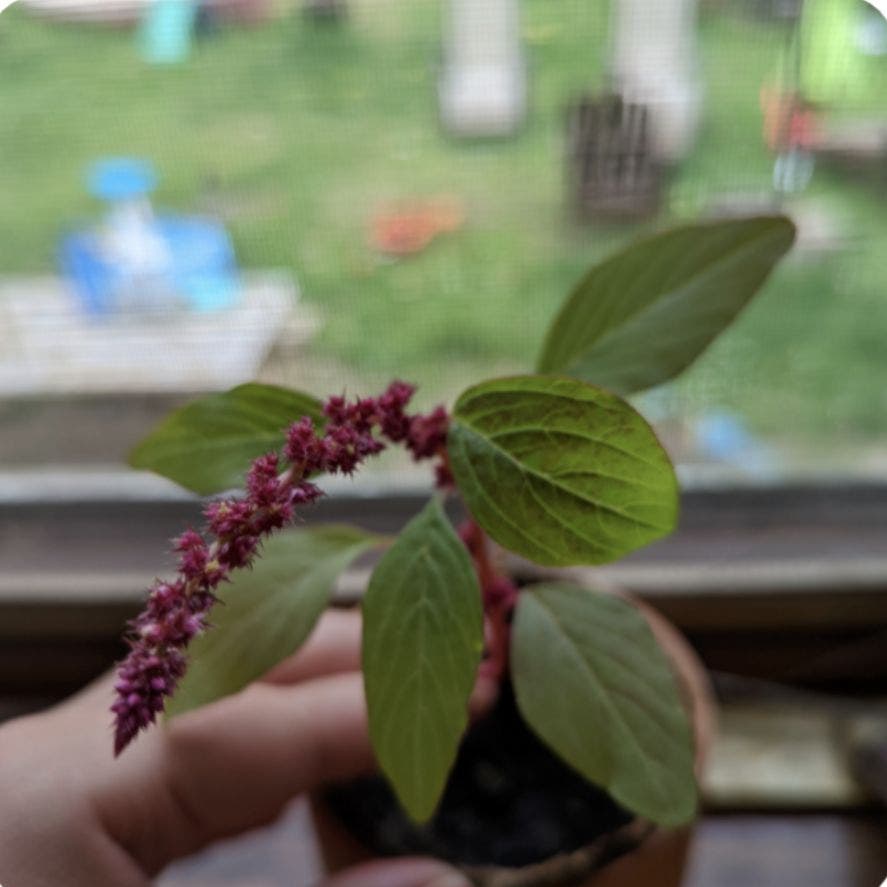
Why Are My Largefruit Amaranth Leaves Dropping?
Amaranthus deflexus
By the Greg Editorial Team
Mar 05, 2024•4 min read
This article was created with the help of AI so we can cover more plants for you. May contain errors. See one? Report it here.
Halt the heartbreak of Largefruit Amaranth leaf loss 🍂 with these lifesaving plant care tactics!
- Nutrient deficiencies lead to yellowing/browning; fertilize wisely.
- Consistent watering and drainage are crucial to prevent wilting or root rot.
- Pest and disease control keeps leaves healthy; clean and check regularly.
Spotting the Culprits: Common Causes of Leaf Dropping
🌱 Nutrient Deficiencies: The Silent Leaf Snatchers
Yellowing leaves often scream nitrogen deficiency, while brown tips may whisper potassium needs. To combat these silent snatchers, think gourmet dinner for your soil, not a fast-food snack.
💧 Water Woes: Too Much or Too Little
Wilting, dry leaves? You might be stingy with the H2O. Yellow, mushy leaves? That's classic overwatering drama. Aim for the soak-and-dry method: water thoroughly, then let the soil dry out before the next watering session.
🐛 Uninvited Guests: Pests and Diseases
Aphids and scales are like those annoying guests who overstay their welcome. Fine webbing under leaves? Spider mites are throwing a party. Spotted leaves? Fungal infections are crashing the scene. Evict these pests with a water blast or insecticidal soap, and prune like a boss to stop diseases from spreading.
When the Environment Throws a Curveball
🌡️ Too Hot, Too Cold: Temperature Tantrums
Recognizing temperature-related leaf loss is key. Leaves curling or sporting black spots? Your Amaranth might be too hot under the collar or shivering in its pot. Ideal temperatures for Largefruit Amaranth range from 18 to 27 degrees Celsius. Anything outside this range and you're in for some leafy drama.
🌞 Light: Finding the Goldilocks Zone
Leaves need just the right amount of light. Too much sun can lead to a sunburnt plant, with leaves curling inward, trying to hide. Not enough light, and you'll see leaves stretching out, craving more. Observe your plant's behavior; a purple hue or reaching leaves are signs to adjust its spot. Aim for bright, indirect light to keep your Amaranth's leaves vibrant and healthy.
First Aid for Fallen Leaves: Immediate Actions
🍂 The Emergency Kit: Quick Fixes for Leaf Drop
When leaf drop strikes your Largefruit Amaranth, time is of the essence. Here's how to administer first aid to your foliage friend:
Check Soil Moisture
Dry or drenched—the state of the soil is telling. If it's parched, water your plant. If it's soggy, hold off and let it breathe.
Prune with Precision
Grab those sterilized shears and cut away the dead weight. This isn't just a trim; it's a strategic move to redirect your plant's energy.
Adjust the Light
Too much sun can be just as bad as too little. Move your Amaranth to a spot with bright, indirect light to avoid further stress.
Fertilize Wisely
Yellow leaves might be screaming for nutrients. Use a balanced, water-soluble fertilizer, but follow the label—overfeeding is a no-no.
Stabilize the Environment
Your plant craves consistency. Keep it away from drafts, and consider a humidifier to maintain steady humidity levels.
Pest Patrol
Give your plant a gentle shower to dislodge any critters. If they're stubborn, break out the insecticidal soap or neem oil, but always read the label first.
Soil pH Check
If the pH is off, your plant's nutrient uptake goes haywire. Adjust as needed to keep the soil's pH in the happy zone.
Watering Techniques
Feel the soil before you water. If it's dry an inch down, it's time to hydrate. If not, give it a break—your plant's not a fish.
Remember, these are quick fixes. For a full recovery, you'll need to play the long game with your plant care.
Building Leaf Resilience: Long-Term Prevention Strategies
💪 Soil and Nutrition: Laying the Foundation
Enriching your soil isn't just a one-time deal; it's the bedrock of leaf longevity. Mix in organic matter like compost to give your Largefruit Amaranth a nutrient-packed abode. A balanced fertilizer tailored to your plant's needs is like a multivitamin, keeping those deficiencies at bay.
💧 Watering and Drainage: Creating Consistency
Watering routines should be as predictable as your morning coffee. Adjust to your plant's thirst, ensuring the soil is moist but not soggy. Think of well-draining soil as the ultimate umbrella for your plant's roots—it keeps them dry enough to avoid the dreaded root rot.
🐜 Pest-Free Zone: Keeping the Baddies Out
Routine pest patrols are non-negotiable. Inspect your Amaranth like you're looking for Waldo—meticulously. Spot a bug? Show it the door with safe pest control methods. Prevention beats cure every time, so keep those leaves clean and your plant's immune system will thank you.
⚠️ Safety First
This content is for general information and may contain errors, omissions, or outdated details. It is not medical, veterinary advice, or an endorsement of therapeutic claims.
Always consult a qualified healthcare professional before using any plant as food, medicine, or supplement.
Never eat any plant (or feed one to pets) without confirming its identity with at least two trusted sources.
If you suspect poisoning, call Poison Control (800) 222-1222, the Pet Poison Helpline (800) 213-6680, or your local emergency service immediately.
Spotted an error? Please report it here.
Revitalize your Largefruit Amaranth and prevent leaf drop 🍂 by letting Greg tailor your watering and fertilizing schedule based on these expert care insights.