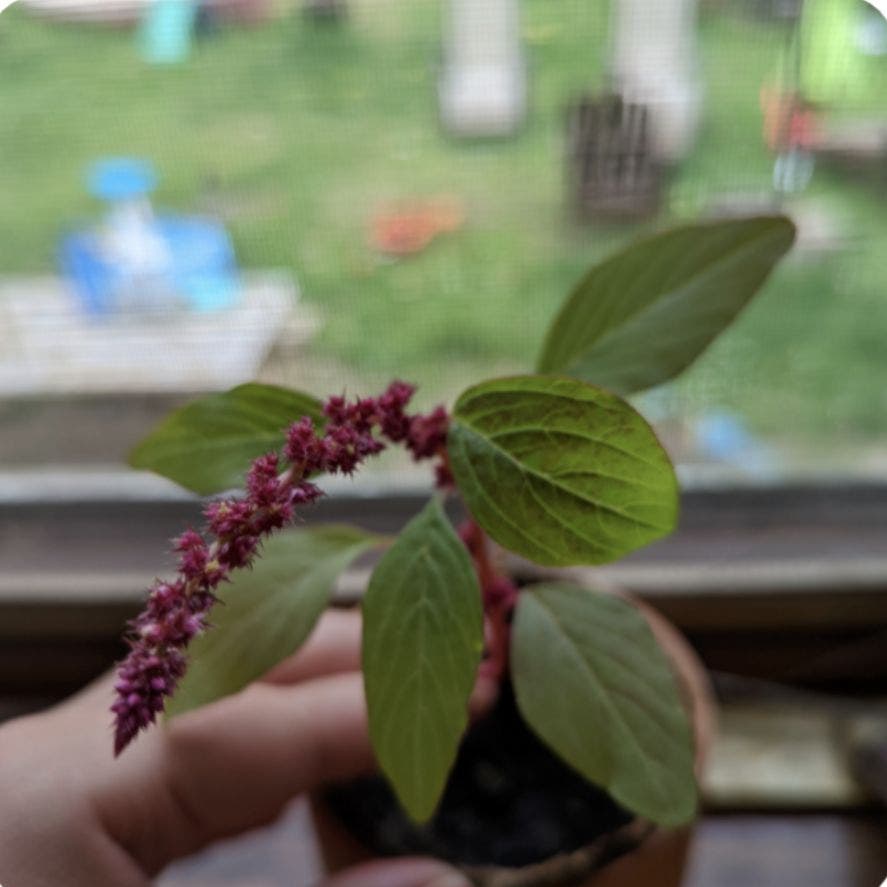
What to Do if Your Largefruit Amaranth Won't Flower 🌸
Amaranthus deflexus
By the Greg Editorial Team
Sep 30, 2024•5 min read
This article was created with the help of AI so we can cover more plants for you. May contain errors. See one? Report it here.
Transform your Largefruit Amaranth blooms 🌼 by mastering the common causes of flowering failure!
- 🌡️ Extreme temperatures and drought can prevent Largefruit Amaranth from flowering.
- 🌞 Ensure 6-8 hours of sunlight daily for optimal flowering conditions.
- 🌱 Nutrient deficiencies in nitrogen, phosphorus, and potassium hinder blooming; conduct soil tests.
Common Causes of Flowering Failure
🌪️ Environmental Stress
Environmental stress can significantly hinder the flowering of Largefruit Amaranth. This stress often arises from extreme temperatures, high humidity, or prolonged drought.
Symptoms include stunted growth and delayed flowering, which can be frustrating for any gardener. To combat this, regularly monitor temperature and humidity levels to ensure they remain within optimal ranges.
Implementing effective irrigation strategies during dry spells can also help mitigate stress. Consistent care is key to fostering a thriving plant.
🥦 Nutrient Deficiencies
Nutrient deficiencies are another common culprit behind flowering failure. Essential nutrients like nitrogen, phosphorus, and potassium play crucial roles in plant health.
Signs of nutrient deficiencies often manifest as yellowing leaves and poor growth. Conducting soil tests can help identify any nutrient gaps that need addressing.
Using balanced fertilizers can effectively replenish these nutrients. This proactive approach ensures your plants have what they need to flourish.
☀️ Light Requirements
Light is vital for the flowering process, with Largefruit Amaranth thriving in full sun for 6-8 hours daily. Insufficient light can lead to elongated stems and sparse flowering, which can be disheartening.
If your plants aren't getting enough sunlight, consider relocating them to sunnier spots. For indoor cultivation, using grow lights can provide the necessary light exposure to encourage healthy growth.
By addressing these common causes of flowering failure, you can set your Largefruit Amaranth on the path to vibrant blooms. Next, let’s explore how to identify premature flower drop and its underlying causes.
Identifying Premature Flower Drop
🌪️ Causes of Premature Flower Drop
Premature flower drop can be frustrating for gardeners. Several factors contribute to this issue, including environmental stresses, nutritional deficiencies, and pest infestations.
Environmental Factors
Sudden temperature changes and high winds can shock plants, leading to flower drop. Keeping an eye on weather conditions is crucial.
Nutritional Issues
A lack of essential nutrients can weaken plants, making them more susceptible to dropping flowers. Regular soil assessments can help identify these gaps.
Pest Infestation
Pests like aphids and spider mites can wreak havoc on your plants. These tiny invaders can cause significant damage, resulting in flowers falling off before they bloom.
🔍 Symptoms and Identification
Identifying premature flower drop is essential for timely intervention. Look for flowers that fall off before reaching full bloom.
Signs to Watch For
If you notice flowers dropping prematurely, it’s time to investigate. Regular inspections can help catch pests early and prevent further damage.
Solutions
To combat these issues, inspect your plants regularly for pests. Adjusting your watering and fertilization practices can also make a significant difference.
By staying vigilant and proactive, you can help your Largefruit Amaranth thrive and enjoy a beautiful bloom season. Next, let’s explore the various types of abnormal flower development that can occur.
Abnormal Flower Development
🌼 Types of Abnormalities
Abnormal flower development can manifest in two primary ways: deformed flowers and color variations. Deformed flowers may appear irregular in shape or size, while color variations can result in unusual hues or fading.
🔍 Potential Causes
Several factors can lead to these abnormalities. Genetic factors, such as varietal differences, can affect flower traits, while environmental stress, including inconsistent watering or nutrient supply, can exacerbate the issue.
🛠️ Solutions
To combat these challenges, ensure consistent care for your plants. Regularly monitor environmental conditions to maintain stability.
Additionally, consider selecting disease-resistant varieties for planting. This proactive approach can help minimize the risk of abnormalities and promote healthier blooms.
By addressing these factors, you can enhance the flowering potential of your largefruit amaranth and enjoy a vibrant display. Next, let’s explore the environmental factors that significantly impact flowering.
Environmental Factors Affecting Flowering
🌞 Importance of Light Conditions
Light is crucial for photosynthesis and flowering in largefruit amaranth. Aim for at least 6-8 hours of direct sunlight daily to promote healthy growth.
To maximize light exposure, consider using reflective materials around your plants. This can help enhance the amount of light they receive, boosting their flowering potential.
🌼 Nutritional Needs for Optimal Blooming
Key nutrients play a vital role in the blooming process. Nitrogen supports lush foliage growth, while phosphorus is essential for robust root and flower development.
To ensure your plants receive adequate nutrition, apply a balanced fertilizer every 4-6 weeks during the growing season. This consistent feeding will help your largefruit amaranth thrive.
🌱 Soil Quality and Its Impact on Flowering
The quality of soil significantly influences flowering outcomes. Largefruit amaranth prefers well-draining, fertile soil to flourish.
Maintain a pH level between 6.0 and 7.0 for optimal growth. Regularly test your soil's pH and amend it with organic matter to enhance fertility, ensuring your plants have the best possible environment to bloom.
With these environmental factors in check, your largefruit amaranth should be well on its way to producing beautiful flowers. Next, let’s explore how to identify and manage pests and diseases that could hinder your plants' progress.
Pest and Disease Management
Identifying Pests That Affect Flowering 🐞
Pests can wreak havoc on your Largefruit Amaranth, leading to reduced flower production. Common culprits include aphids, spider mites, and thrips, which can distort leaves and stunt growth.
To combat these pests, consider using insecticidal soap or neem oil. Both are effective and eco-friendly options that can help restore your plants to health. Additionally, introducing beneficial insects like ladybugs can provide natural pest control, promoting a balanced ecosystem in your garden.
Common Diseases and Their Solutions 🦠
Fungal diseases such as powdery mildew and root rot can also threaten your plants. Symptoms often include wilting, discoloration, and stunted growth, signaling that your amaranth needs immediate attention.
To prevent these issues, ensure proper air circulation around your plants and avoid overhead watering, which can create a damp environment conducive to fungal growth. If problems persist, using fungicides as a preventive measure can help safeguard your plants against these diseases.
By staying vigilant about pests and diseases, you can foster a thriving environment for your Largefruit Amaranth, setting the stage for vibrant blooms and healthy growth. Next, let’s explore the environmental factors that can further influence flowering success.
⚠️ Safety First
This content is for general information and may contain errors, omissions, or outdated details. It is not medical, veterinary advice, or an endorsement of therapeutic claims.
Always consult a qualified healthcare professional before using any plant as food, medicine, or supplement.
Never eat any plant (or feed one to pets) without confirming its identity with at least two trusted sources.
If you suspect poisoning, call Poison Control (800) 222-1222, the Pet Poison Helpline (800) 213-6680, or your local emergency service immediately.
Spotted an error? Please report it here.
Unlock your Largefruit Amaranth's flowering potential 🌸 with Greg's tailored reminders and nutrient tracking, ensuring your plants thrive in optimal conditions!