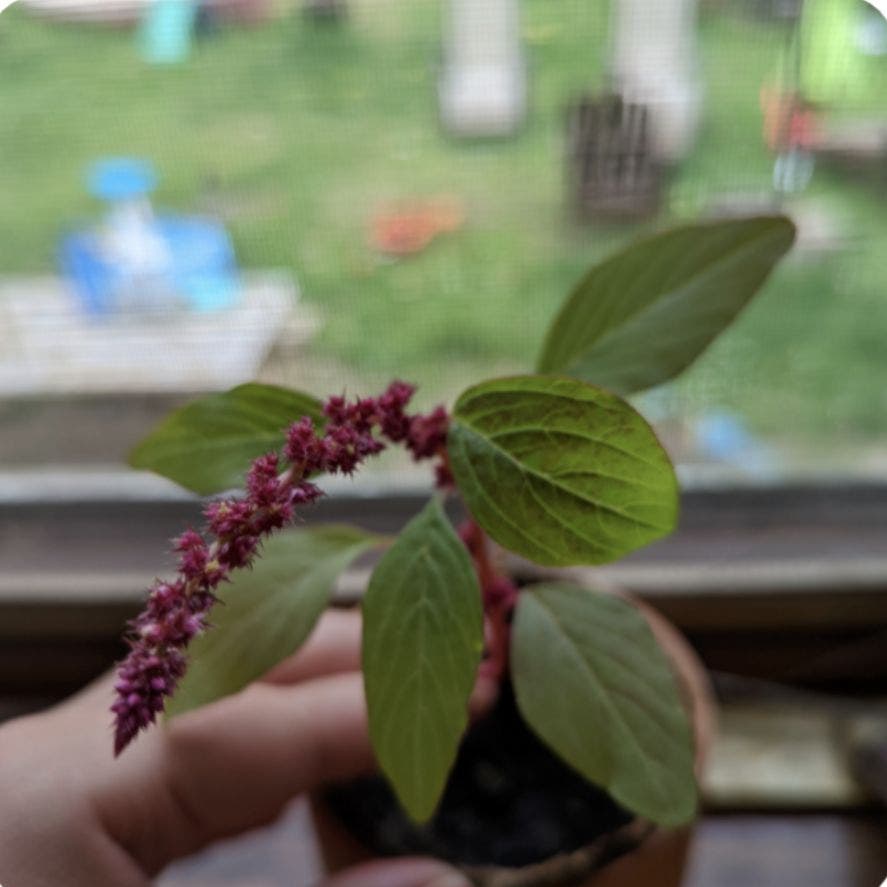
My Largefruit Amaranth's Light Requirements
Amaranthus deflexus
By the Greg Editorial Team
Mar 05, 2024•4 min read
This article was created with the help of AI so we can cover more plants for you. May contain errors. See one? Report it here.
Unleash your Largefruit Amaranth's bloom and seed power by mastering its sunlight cravings! 🌞🌱
- 🌞 Morning light is best; avoid harsh afternoon rays.
- Use reflectors or LED lights for indoor light boost.
- Adjust light for blooming and seed quality; too much can stress the plant.
Soaking Up the Sun: Outdoor Light Mastery
🌞 Finding the Perfect Spot
To ensure your Largefruit Amaranth soaks up the right amount of sunshine, observe your garden's light patterns. Morning light is your ally, providing the gentle rays your plant craves without the harshness of the afternoon sun. Use a simple method: snap photos of your garden at different times to track the sun's movement. This visual diary will reveal the prime real estate for your Amaranth.
🌦 The Impact of Seasonal Changes
Remember, the sun plays a game of hide and seek throughout the year. Winter's weak sun demands a spot unobstructed by shadows, while summer's intensity might call for strategic shading. Adjust your plant's location with the seasons to maintain the perfect balance.
☀️ When Too Much is Too Much
Keep an eye out for signs of a sun-drenched Amaranth: leaves that look more crispy than a well-done fry are a red flag. If your garden's turning into a plant barbecue, it's time to intervene.
🏖 Strategies for Providing Shade
Combat the scorch of the midday sun with some DIY shade. A well-placed umbrella or a breathable shade cloth can save your Amaranth from a solar sizzle. Think of it as sunscreen for your plant—essential during those peak UV hours.
Indoor Light Hacks for Thriving Amaranth
🌞 Window Wisdom
South-facing windows are the Largefruit Amaranth's best friend, offering the most generous light buffet. If you're in the Northern Hemisphere, switch that to north-facing to soak up those rays. East or west-facing windows? They're the understudies, delivering a decent mix of light, but they won't steal the show.
Reflectors aren't just for cyclists and runway models. Use them to bounce light around, turning your home into a sunlit studio for your amaranth.
💡 Artificial Sunshine: Grow Lights
When the sun plays hard to get, it's grow light time. Think of them as the sun's stunt doubles—there to shine when the real deal can't. LED lights are your go-to: they're energy-smart, long-lasting, and gentle on the leaves.
Choosing between LED and fluorescent is like picking between a sports car and a sedan—one's sleek and modern, the other's a classic. But for your amaranth, LED wins the race, hands down. Position them about 12-24 inches from your plant, just like the sun would if it could come indoors.
The Flowering Connection: Light's Role in Blooming
💡 Triggering Flower Power
Bright light is the key to unlocking the Largefruit Amaranth's blooming potential. The plant's transition from leafy growth to a floral spectacle hinges on adequate light exposure. To initiate flowering, aim for a spot that basks in generous indirect sunlight, particularly during the critical pre-bloom period.
Adjusting light exposure can be a game-changer for bloom timing. If you're aiming for a burst of color, increase the light duration. Conversely, to hold back the floral parade, reduce the exposure. It's a delicate dance of give and take, with your plant's cues leading the way.
🌱 Seed Success
Light intensity isn't just about the show; it's about the afterparty—seed production. For the Largefruit Amaranth, the right light volume is like a plant's version of a caffeine boost, essential for vigorous seed development and quality. Too much intensity, however, can stress the plant, leading to a drop in seed performance. Aim for that sweet spot where the light is just right, and your Amaranth will thank you with a bounty of seeds.
Troubleshooting Light Issues
💡 Common Indoor Light Challenges
When your Largefruit Amaranth starts looking more like a shadow of itself, low light might be the culprit. Pale leaves and leggy growth are its way of saying, "I'm starved for sunshine."
- Brighten up by moving your plant closer to a window that gets a generous amount of indirect light.
- If your windows are more about the view than the rays, consider an LED grow light. They're like a sun substitute that won't send your electric bill through the roof.
💡 Outdoor Light Obstacles
Outdoor growing isn't always a walk in the park. Seasonal changes can turn your light situation from just right to just wrong.
- Keep an eye on the sun's path; as it changes, so should your plant's location.
- When the heat cranks up, your Largefruit Amaranth might need a break from the bake. A little afternoon shade can prevent a crispy plant meltdown.
Remember, it's about finding that light sweet spot. Too much, and your amaranth might start to fry; too little, and it's a slow slide into the shadows.
⚠️ Safety First
This content is for general information and may contain errors, omissions, or outdated details. It is not medical, veterinary advice, or an endorsement of therapeutic claims.
Always consult a qualified healthcare professional before using any plant as food, medicine, or supplement.
Never eat any plant (or feed one to pets) without confirming its identity with at least two trusted sources.
If you suspect poisoning, call Poison Control (800) 222-1222, the Pet Poison Helpline (800) 213-6680, or your local emergency service immediately.
Spotted an error? Please report it here.
Ensure your Largefruit Amaranth thrives in just the right light with Greg's PlantVision 🌞, guiding you to the perfect spot for vibrant growth.