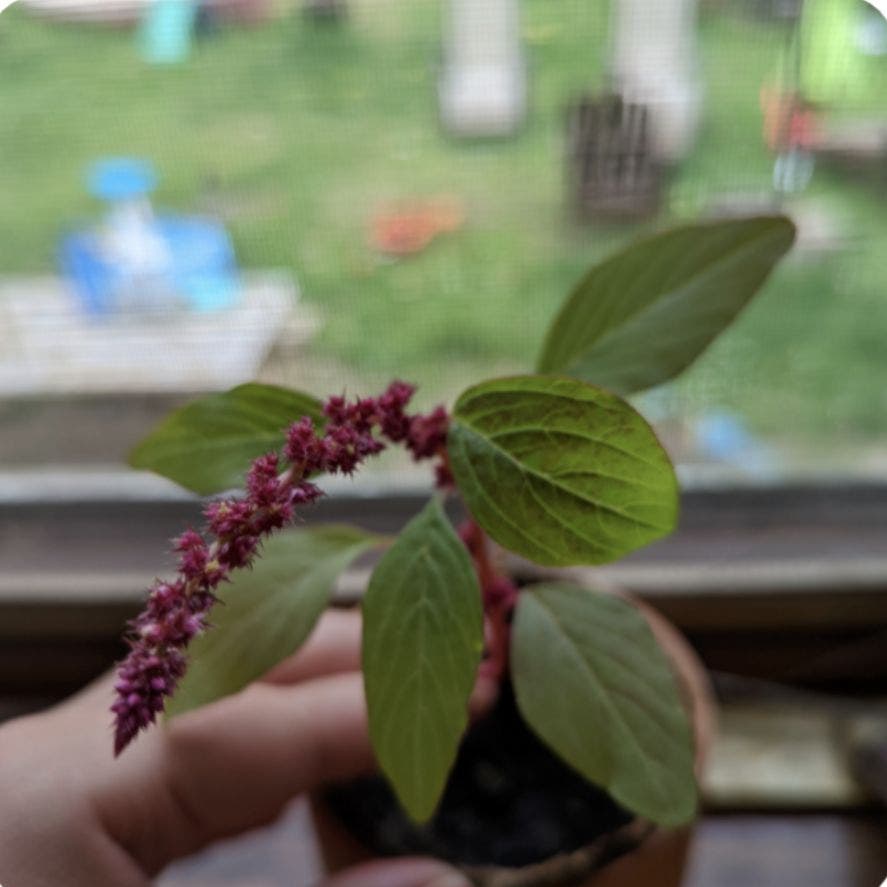
Why Is My Largefruit Amaranth Not Doing Well?
Amaranthus deflexus
By the Greg Editorial Team
Mar 05, 2024•4 min read
This article was created with the help of AI so we can cover more plants for you. May contain errors. See one? Report it here.
Revive your Largefruit Amaranth 🌿 by mastering its ideal care routine against common plant pitfalls!
- Yellow leaves or crispy tips? Check watering habits and soil moisture.
- 🌡️ Keep it comfy between 65-78°F, away from drafts and heat sources.
- Combat root rot and pests with proper soil, sunlight, and regular inspections.
Water Woes: Too Much or Too Little
🚱 Spotting the Signs
Yellowing leaves are the plant's SOS for over-watering, while leaves with crispy tips scream thirst. If the soil clings to your fingers like a needy pet, it's too wet. Conversely, soil that crumbles like ancient ruins needs a drink.
🌊 The Balancing Act
Check the soil an inch down; if it's damp, skip the watering can. Aim for a moist, not soggy, environment. Let the soil's top layer dry slightly between waterings to avoid drowning your Largefruit Amaranth in love.
Light and Temperature: Finding the Sweet Spot
🌞 Light Levels
In the quest for optimal growth, recognizing the signs of improper lighting is key. Largefruit Amaranth thrives in bright, indirect light. Too much sun can lead to scorched leaves, while insufficient light may cause the plant to become leggy as it stretches for a light source. To ensure your plant is getting just the right amount of light, observe the foliage. Sun-stressed leaves may curl or develop a bleached, washed-out look. Conversely, a lack of vibrant color or elongated stems could indicate a need for more light. If natural light is inadequate, consider using grow lights, but keep them at a distance to prevent leaf burn.
🌡️ Temperature Troubles
Temperature is another critical factor in the well-being of your Largefruit Amaranth. It prefers a stable environment with temperatures ranging between 65-78°F (18-25°C). Watch for signs of temperature stress, such as wilting or drooping leaves, which can occur if the plant is too close to drafty windows or heating vents. Sudden temperature fluctuations are as unwelcome as a pop quiz on a Monday morning. Use a reliable thermometer to monitor the conditions, and adjust the plant's location as needed to maintain a consistent temperature. Remember, a stable temperature is like a steady drumbeat for your plant's life cycle—too much variation and the rhythm is lost.
The Unseen Enemy: Root Rot and Fungal Foes
🍄 Root Rot Revelations
Dark, mushy roots and a foul smell are your plant's cry for help, signaling root rot. To check for this silent killer, gently remove your Largefruit Amaranth from its pot and inspect the roots. Healthy roots are firm and white, while rotten ones are soft and brown or black. If you find the latter, it's time for surgery. Sterilize your scissors and cut away the rot, then give the pot a bleach solution bath to kill any lingering pathogens. Repot with fresh, sterile soil in a well-draining container. Remember, root rot loves moisture, so let the soil dry out between waterings.
🍄 Fungal Issues
Mold and fungus on your soil are like unwanted party crashers. If you spot these fuzzy gatecrashers, it's time to take action. Sunlight is your ally here; it's like kryptonite to mold. Scoop away any visible mold with a spoon and increase air circulation; think of it as giving your plant a personal space bubble. Regularly inspect your plant for early signs of trouble—mold is shy and prefers the shadows. If you catch it early, you can often avoid the drama of a full-blown fungal fiesta.
Pests and Leaf Scorch: External Aggressors
🐛 Pesty Predicaments
Pests can turn a thriving Largefruit Amaranth into a snack bar. Aphids, spider mites, and leafhoppers are the usual suspects. Check your plant regularly for these critters. If you spot them, it's time for action. A soft cloth with soapy water or a diluted isopropyl alcohol spray can be your first line of defense. For a greener approach, neem oil is a champ at keeping pests at bay. Remember, isolation is key to prevent a pest party.
🌵 Scorched Leaves
Leaf scorch can make your Largefruit Amaranth look like it's been through a desert. Direct sunlight is often the villain here. If your plant's leaves are looking crispy, move it to a spot with indirect light. Hydration is also crucial; ensure your plant gets consistent moisture without overdoing it. Mulching can help retain soil moisture and protect those roots. If you've got a case of bacterial leaf scorch, I hate to break it to you, but there's no cure. Focus on plant health to prolong its life. And hey, watch out for physical damage—those leaves are delicate.
⚠️ Safety First
This content is for general information and may contain errors, omissions, or outdated details. It is not medical, veterinary advice, or an endorsement of therapeutic claims.
Always consult a qualified healthcare professional before using any plant as food, medicine, or supplement.
Never eat any plant (or feed one to pets) without confirming its identity with at least two trusted sources.
If you suspect poisoning, call Poison Control (800) 222-1222, the Pet Poison Helpline (800) 213-6680, or your local emergency service immediately.
Spotted an error? Please report it here.
Combat your Largefruit Amaranth's woes by using Greg to pinpoint 🎯 the perfect watering schedule and ideal light conditions, ensuring your green friend thrives.