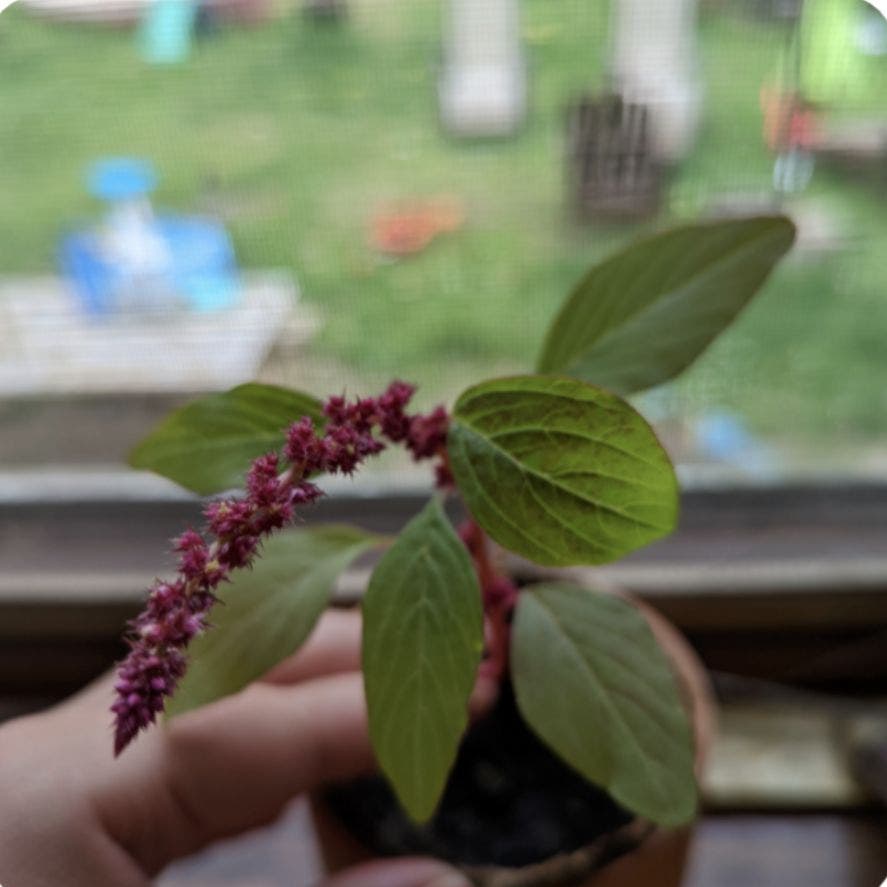
What Are The Bugs on My Largefruit Amaranth? 🐛
Amaranthus deflexus
By the Greg Editorial Team
Mar 05, 2024•3 min read
This article was created with the help of AI so we can cover more plants for you. May contain errors. See one? Report it here.
Banish bugs 🐛 from your Largefruit Amaranth and enjoy a vibrant, pest-free garden with these expert tips! 🌿
- 🕷️ Spider mites show as webbing and specks; remove with neem oil or soap.
- 🌱 Scale, mealybugs, gnats, flies—combat with manual removal, alcohol, or traps.
- 🛡️ Prevent pests with sanitation, monitoring, and encouraging natural predators.
Spot the Invader: Identifying Common Pests
🕷️ Spider Mites
Spotting the signs
Webbing beneath leaves and tiny colored specks are your first red flags for spider mites. These pests are like unwanted microscopic graffiti artists, leaving a speckled pattern on your plant's leaves.
Battle tactics
Wipe leaves with a damp cloth or give them a shower to wash off the mites. For a more stubborn infestation, neem oil or insecticidal soap are your go-to solutions.
🛡️ Scale Insects
Unwanted armor
Scale insects are masters of disguise, masquerading as harmless bumps on stems and leaves. If you spot these immobile pests, it's time to take action.
Winning the war
Manually remove scales or use alcohol swabs to clean them off. Introducing ladybugs can also turn the tide, as they're natural predators of these sticky pests.
🦟 Fungus Gnats and Fruit Flies
Flying frustrations
If you see tiny flies around your plant, you're likely dealing with fungus gnats or fruit flies. Overwatered soil is usually the culprit, inviting these party crashers.
Fly swatting
Cut back on watering and let the soil dry out to discourage them. Yellow sticky traps can catch adults, while a layer of sand on the soil surface can block larvae.
🐛 Mealybugs
The white menace
Fluffy, white clusters on your plant are a clear sign of mealybugs. These sap-suckers leave a distinctive mess that's hard to miss.
Eradication essentials
Isolate the plant and clean with alcohol-dipped swabs. If the infestation persists, insecticidal soaps or neem oil can help you regain control.
Special Mention: Other Pests to Watch Out For
🐜 Aphids
Aphids are the clingy, sap-sucking gatecrashers of the plant world. Spot them as tiny bugs in shades of green, black, or peach, often huddled in gossip circles on new growth or the undersides of leaves. They're notorious for leaving a sticky mess called honeydew, which is basically bug excrement—yuck. To send them packing, blast them with a hose or go full-on chemical
Proactive Pest Control: Prevention is Better Than Cure
🚫 Creating an Unwelcoming Environment
Pests are like party crashers; they show up uninvited and ruin the vibe. To make your Largefruit Amaranth less appealing, start with sanitation. Remove plant debris and fallen leaves that serve as insect hideouts and breeding grounds. Ensure proper air circulation around your plants to discourage stagnant, pest-friendly conditions.
👩⚕️ Regular Check-Ups
Think of plant check-ups as a routine security sweep. Inspect your Largefruit Amaranth regularly for early signs of infestation. Use sticky traps as an early detection tool for flying pests. When you spot trouble, act immediately—evict those pests before they throw a full-blown rager at your plant's expense.
🛡️ Integrated Pest Management (IPM)
IPM is your strategic defense playbook. It's about being proactive, not reactive. Introduce beneficial insects that prey on pests. Monitor moisture levels to avoid overwatering, a beacon for soil lurkers. And remember, too much fertilizer is like overfeeding—it attracts the wrong crowd.
📝 Record Keeping
Keep a log of pest encounters. Note any patterns to better anticipate future issues. It's like knowing the local troublemakers; you can spot them a mile away and keep them out of your neighborhood.
🐞 Encourage Pest Predators
Your garden's equivalent of neighborhood watch is its natural predators. Encourage these allies by planting cover crops and fostering biodiversity. They'll help keep the pest population in check, making your job a whole lot easier.
⚠️ Safety First
This content is for general information and may contain errors, omissions, or outdated details. It is not medical, veterinary advice, or an endorsement of therapeutic claims.
Always consult a qualified healthcare professional before using any plant as food, medicine, or supplement.
Never eat any plant (or feed one to pets) without confirming its identity with at least two trusted sources.
If you suspect poisoning, call Poison Control (800) 222-1222, the Pet Poison Helpline (800) 213-6680, or your local emergency service immediately.
Spotted an error? Please report it here.
Eradicate those pesky bugs on your Largefruit Amaranth and keep them at bay by staying vigilant 🕵️♂️ with Greg's tailored reminders for plant inspection and care, ensuring a thriving, pest-free garden.