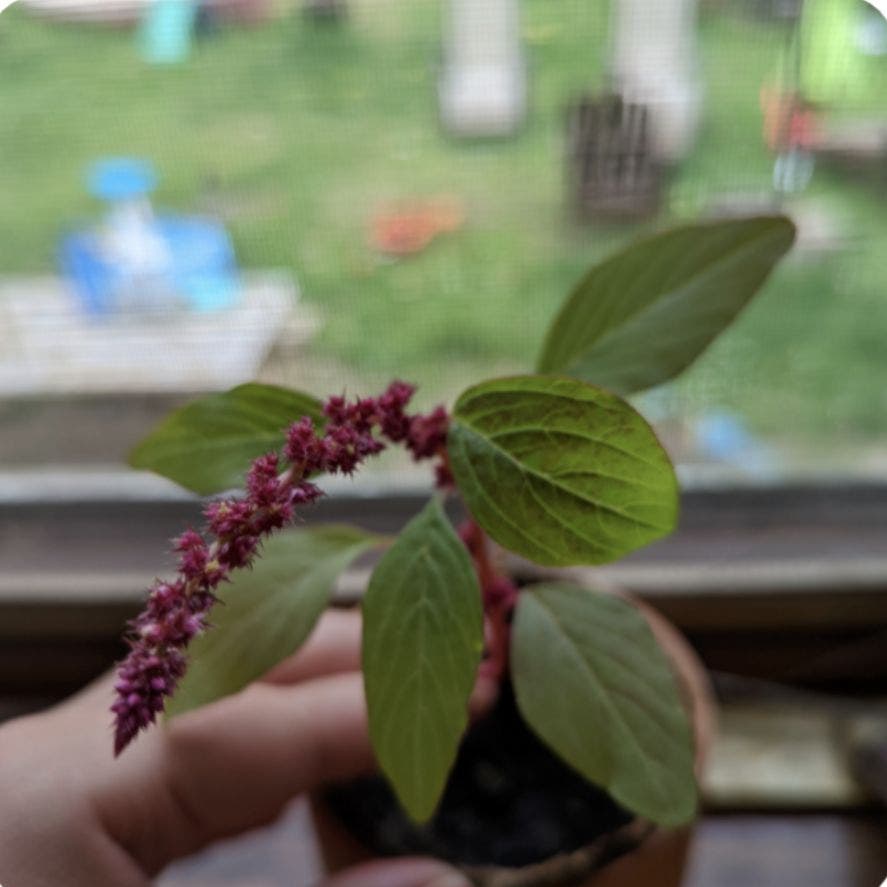
Why Are My Largefruit Amaranth Leaves Curling?
Amaranthus deflexus
By the Greg Editorial Team
Mar 05, 2024•4 min read
This article was created with the help of AI so we can cover more plants for you. May contain errors. See one? Report it here.
Unravel the mystery of curling amaranth leaves and safeguard your green oasis with our expert tips! 🌿🔍
- 🌱 Extreme temperatures and watering issues cause leaf curling.
- Nutrient imbalances and pests also contribute; monitor and manage.
- Regular monitoring and early intervention prevent future curling episodes.
Pinpointing the Culprits Behind Leaf Curling
🌡️ Environmental Stress Factors
Extreme temperatures and improper watering are like plant kryptonite, leading to the dreaded leaf curl. To prevent your Largefruit Amaranth from throwing a fit, shield it from the scorching sun and biting cold. Watering is not a set-it-and-forget-it deal; adjust your routine with the seasons and keep those roots happy, not soggy or parched.
🍽️ Nutrient Imbalances
Yellow leaves screaming for nitrogen, or edges looking burnt for lack of potassium, are classic tell-tale signs of nutrient deficiencies. Don't let your plant fast; it's not into that. Get intimate with a soil test, then hit the sweet spot with a balanced buffet of nutrients, including a dash of Epsom salts for that magnesium kick.
🐜 Pests and Pathogens
Pests and diseases are the uninvited guests at the plant party, making leaves curl up as a distress signal. Keep a vigilant eye out for these party crashers. Clean leaves boost photosynthesis and help keep pests at bay. If you spot trouble, go for the organic knockout with sustainable methods that won't harm your green friends or the planet.
Turning the Tide: Addressing Leaf Curling
💧 Rebalancing Water and Moisture
🚰 Fine-Tuning Watering Practices
Watering is more art than science. Consistency is your mantra. Ensure soil moisture is akin to a well-wrung sponge—neither parched nor soggy. If your soil's more like a swamp, it's time to amend. Mix in perlite or sand to boost drainage. Conversely, if it's drying out faster than you can water, consider a more moisture-retentive mix.
🌱 Mulching Magic
Mulch isn't just a pretty face; it's a moisture maestro. It keeps soil moisture levels steady and roots happy. Think of it as a blanket for your soil, maintaining a consistent temperature and moisture level. But don't go overboard—a couple of inches will do the trick.
🌿 Nutrient Management
💡 Fertilization Finesse
A balanced fertilizer is like a multivitamin for your Largefruit Amaranth. But remember, moderation is key. Too much and you're in nutrient burn territory; too little and you're starving your plant. Tailor your fertilization regimen to your soil test results—yes, testing your soil isn't optional.
🌾 Micronutrient Mastery
When your plants scream for micronutrients, listen. A sprinkle of Epsom salt for magnesium or iron chelate for chlorosis can work wonders. Apply supplements based on specific deficiencies, and always with a light hand.
🐞 Integrated Pest and Disease Management
🌿 Natural Predators and Cultural Practices
Embrace the circle of life. Natural predators are your allies in the pest battle. Encourage ladybugs and lacewings to take up residence. Cultural practices like crop rotation and proper spacing can prevent many woes. And remember, cleanliness is next to pest-free-ness.
🌱 Organic Fungicides
When fungi come knocking, hit them with the organic one-two punch. Neem oil and copper fungicides are your go-to guys. Apply with precision and always follow label instructions. Rotate treatments to prevent resistance and protect the good guys in your garden's ecosystem.
Proactive Measures: Preventing Future Curling Episodes
🌱 Cultivar Selection and Resistant Varieties
Choosing the right variety of Largefruit Amaranth can make all the difference. Opt for strains that boast a natural resistance to common stressors that cause leaf curling. It's like picking the sturdiest umbrella before a rainstorm—you're already one step ahead.
🕵️ Regular Monitoring and Early Intervention
Set up a routine schedule for plant check-ups. Spotting issues early is key, like finding a typo before hitting send on an important email. Addressing problems when they're just budding can prevent a full-blown leaf curl crisis. Keep an eye out for early signs of distress, such as discoloration or unusual patterns, and take immediate action. Quick response tactics include adjusting watering, introducing beneficial insects, or applying organic fungicides. It's about being proactive, not reactive.
⚠️ Safety First
This content is for general information and may contain errors, omissions, or outdated details. It is not medical, veterinary advice, or an endorsement of therapeutic claims.
Always consult a qualified healthcare professional before using any plant as food, medicine, or supplement.
Never eat any plant (or feed one to pets) without confirming its identity with at least two trusted sources.
If you suspect poisoning, call Poison Control (800) 222-1222, the Pet Poison Helpline (800) 213-6680, or your local emergency service immediately.
Spotted an error? Please report it here.
Prevent leaf curling 🍃 in your Largefruit Amaranth with Greg's personalized care reminders and expert community tips for a thriving plant!