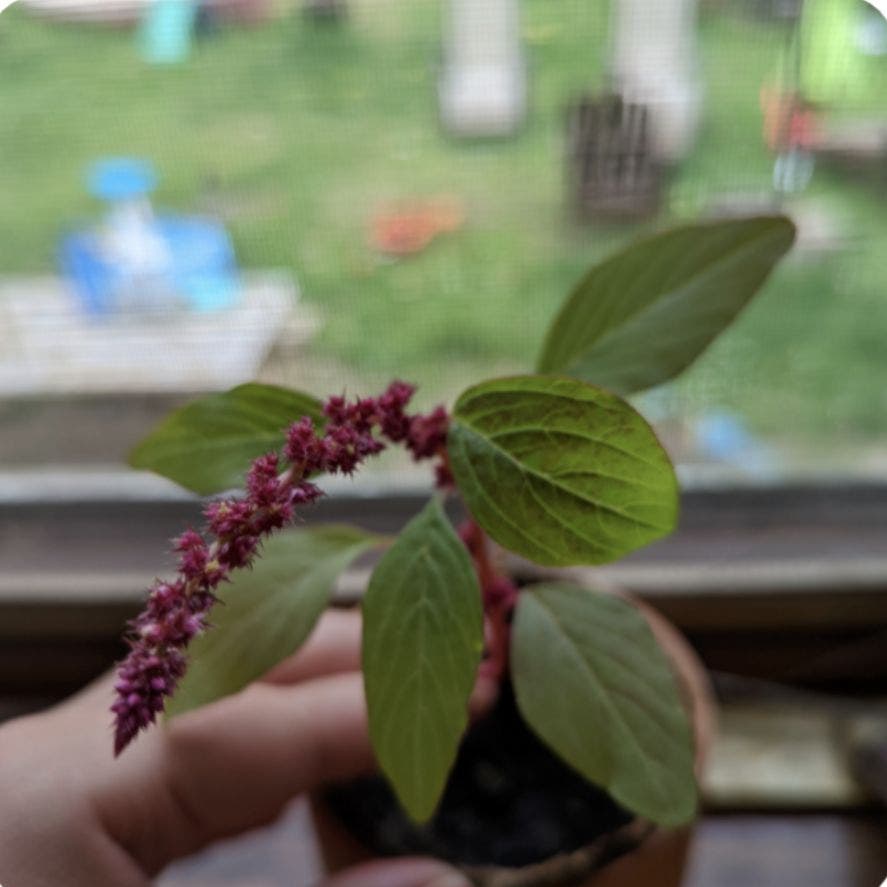
🍉 Largefruit Amaranth Zones
Amaranthus deflexus
By the Greg Editorial Team
Sep 30, 2024•5 min read
This article was created with the help of AI so we can cover more plants for you. May contain errors. See one? Report it here.
Unlock a bountiful harvest of Largefruit Amaranth 🌱 by mastering its temperature needs for optimal growth!
- 🌡️ Largefruit Amaranth thrives best between 70°F to 90°F (21°C to 32°C) for optimal growth.
- ❄️ Frost tolerance allows survival down to 28°F (-2°C), but avoid prolonged exposure below 25°F (-4°C).
- 🌍 Ideal growing zones include USDA zones 9-11, especially in California, Florida, and Texas.
Temperature Tolerance of Largefruit Amaranth
❄️ Cold Tolerance Specifics
Largefruit Amaranth shows impressive resilience to cold. It can withstand light frost, tolerating temperatures as low as 28°F (-2°C).
However, it becomes sensitive to prolonged cold. Damage risks increase when temperatures drop below 25°F (-4°C), making it crucial to monitor conditions during colder months.
☀️ Heat Tolerance Specifics
When it comes to heat, Largefruit Amaranth thrives best in a warm environment. Its optimal temperature range is between 70°F to 90°F (21°C to 32°C).
Yet, extreme heat can pose challenges. Temperatures exceeding 95°F (35°C) may lead to wilting or stress, impacting overall plant health.
🌱 Ideal Temperature Ranges for Growth
Understanding the ideal temperature ranges is vital for successful cultivation. For germination, temperatures around 70°F to 85°F (21°C to 29°C) are ideal, while growth flourishes between 75°F to 90°F (24°C to 32°C).
Maturity requires consistent warmth, emphasizing the importance of maintaining stable temperatures. This consistency is key to achieving optimal yield and robust plant development.
With a solid grasp of temperature tolerances, you're better equipped to cultivate Largefruit Amaranth successfully. Next, let’s explore the ideal growing regions for this versatile plant.
Ideal Growing Regions for Largefruit Amaranth
🌎 Examples of US States Suitable for Largefruit Amaranth
Largefruit Amaranth thrives in several US states, particularly California, Florida, and Texas. These regions boast warm climates, ample sunlight, and suitable soil types that create ideal conditions for growth.
California's Mediterranean climate offers warm, dry summers and mild winters, perfect for this crop. Florida's subtropical environment provides consistent warmth and humidity, while Texas combines diverse climates, allowing for successful cultivation in various regions.
🌱 Factors Contributing to Ideal Growing Conditions
To flourish, Largefruit Amaranth requires well-drained soil and full sun exposure. These factors are crucial for preventing root rot and ensuring healthy growth.
Nutrient-rich soil is essential, ideally with a pH level ranging from slightly acidic to neutral. This balance supports robust plant health and maximizes yield potential.
Understanding these growing conditions can help you select the best locations for planting Largefruit Amaranth. With the right environment, you can enjoy a bountiful harvest and contribute to sustainable agriculture.
Next, let’s explore how microclimates can impact the growing zones for Largefruit Amaranth.
Microclimates and Their Impact
🌤️ How Microclimates Can Extend Growing Zones
Microclimates are localized climate variations that can significantly impact plant growth. Urban areas, for instance, often experience warmer temperatures due to heat retention from buildings and asphalt.
Hills can create sheltered environments, protecting plants from harsh winds and frost. Similarly, bodies of water moderate temperatures, providing a buffer against extreme heat or cold.
These unique conditions can allow for the successful cultivation of Largefruit Amaranth even in regions that might otherwise be considered less-than-ideal. By understanding and leveraging these microclimates, growers can expand their planting opportunities.
🌊 Examples of Microclimates Affecting Largefruit Amaranth Growth
Consider the coastal regions of California, where the ocean's influence creates a mild climate. Here, Largefruit Amaranth thrives due to the consistent temperatures and reduced frost risk.
In contrast, urban gardens in cities like San Francisco benefit from the heat generated by surrounding structures. This warmth can extend the growing season, allowing for earlier planting and later harvesting.
Temperature variations within these microclimates can be significant. Growers often implement frost protection strategies, such as row covers or strategic planting, to maximize yields.
Understanding these localized conditions is crucial for anyone looking to cultivate Largefruit Amaranth successfully. With the right approach, even challenging environments can yield fruitful results.
State-Level Suitability Analysis
🌱 List of US States Within Suitable Hardiness Zones
Several states fall within USDA hardiness zones 9-11, making them ideal for cultivating Largefruit Amaranth. Notable examples include:
- California: With its warm climate and long growing season, California offers the perfect environment for Largefruit Amaranth.
- Florida: The state's subtropical climate ensures ample warmth and moisture, essential for healthy growth.
- Texas: Diverse climates across Texas provide various suitable regions for Largefruit Amaranth cultivation.
These states benefit from milder winters and longer growing seasons, allowing for optimal growth and yield.
🚫 List of US States Outside Suitable Hardiness Zones
Conversely, some states are not conducive to growing Largefruit Amaranth due to their climatic conditions. States such as:
- North Dakota
- Montana
These regions experience harsh winters and shorter growing seasons, making it challenging for Largefruit Amaranth to thrive.
The extreme cold and frost risks in these areas significantly hinder the plant's growth potential.
🔍 Reasons for Suitability or Unsuitability
Understanding why certain states are suitable or unsuitable for Largefruit Amaranth involves examining several factors.
- Temperature Extremes: States within suitable zones generally experience milder temperature fluctuations, while those outside face harsher conditions.
- Frost Dates: The timing of first and last frost dates is crucial. Regions with longer frost-free periods allow for extended growing seasons.
These factors directly impact planting schedules and overall crop success. By recognizing these elements, growers can make informed decisions about where to plant Largefruit Amaranth for the best results.
With this knowledge, you're better equipped to navigate the growing landscape for Largefruit Amaranth. Next, let’s explore how microclimates can further influence growing conditions.
⚠️ Safety First
This content is for general information and may contain errors, omissions, or outdated details. It is not medical, veterinary advice, or an endorsement of therapeutic claims.
Always consult a qualified healthcare professional before using any plant as food, medicine, or supplement.
Never eat any plant (or feed one to pets) without confirming its identity with at least two trusted sources.
If you suspect poisoning, call Poison Control (800) 222-1222, the Pet Poison Helpline (800) 213-6680, or your local emergency service immediately.
Spotted an error? Please report it here.
Grow Largefruit Amaranth like a pro 🌱 with Greg's tailored care tips and temperature alerts to ensure your plants thrive in any climate!