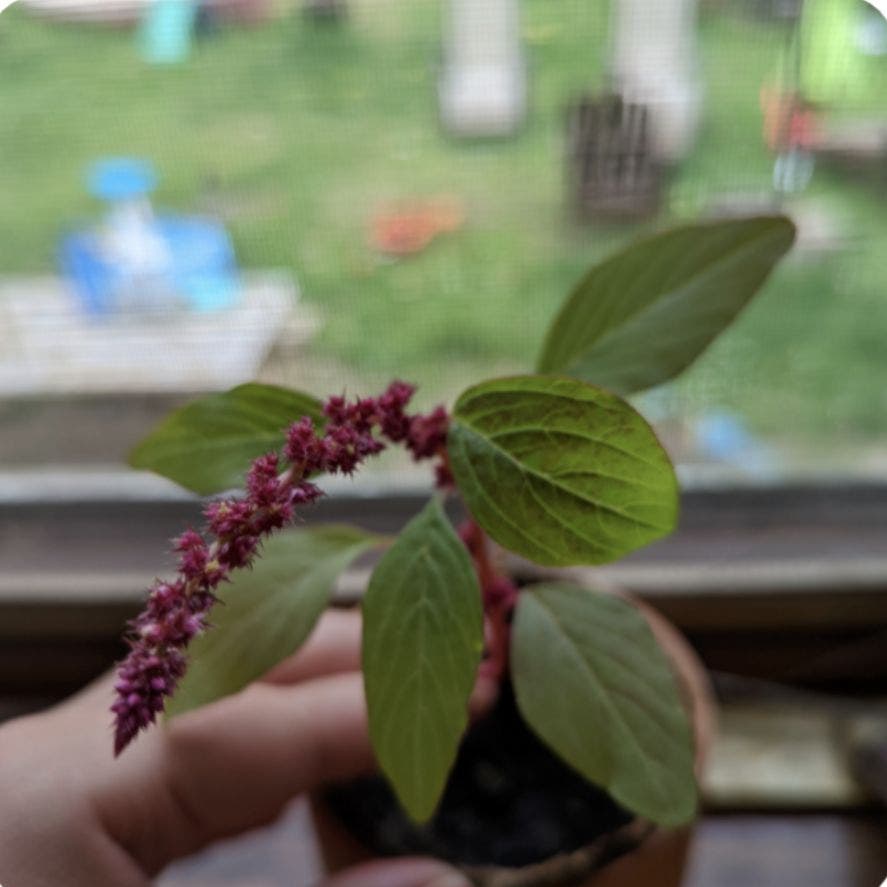
How Do I Know When My Largefruit Amaranth Needs Water?
Amaranthus deflexus
By the Greg Editorial Team
Mar 05, 2024•3 min read
This article was created with the help of AI so we can cover more plants for you. May contain errors. See one? Report it here.
Nurture your largefruit amaranth to perfection 🌿 by mastering the signs of thirst—no more over or under-watering!
- Wilting or browning leaves? Time to check your amaranth's water needs.
- Top 2 inches dry? That's your cue to water.
- Seasons change, so does watering. Adjust care accordingly.
Spot the Thirsty Plant: Telltale Signs Your Amaranth Needs a Drink
🥀 Wilting Leaves: More Than Just a Sad Plant
Wilting leaves on your largefruit amaranth are a red flag. They indicate your plant is either dehydrated or overwatered. To diagnose, perform a quick soil check. Dry soil means it's time to water, but if it's damp, hold off and check for drainage issues.
🎨 Leaf Color and Texture: Reading the Signs
Browning or curling leaves send a clear message: your amaranth is stressed. This could be due to inadequate watering. Keep an eye out for these visual cues and adjust your watering routine accordingly to avoid further damage.
🏞️ Soil Tells No Lies: The Touch and Look Test
The touch and look test is a reliable way to gauge soil moisture. If the top inch feels dry, it's time to water. Conversely, if it's wet, give your amaranth a break. Remember, the goal is moist soil, not a swamp. Use this method regularly to prevent over or under-watering.
Watering Wisdom: How to Quench Your Amaranth's Thirst
💧 The Perfect Pour: Frequency and Quantity
Getting your largefruit amaranth's watering schedule dialed in is crucial. Overwatering is as harmful as underwatering. The key is to water when the top two inches of soil are dry. Use room temperature water to avoid shocking the roots. Remember, it's a drink, not a bath.
💦 Deep Drink for Deep Roots: Watering Techniques
Watering should mimic a gentle rain, reaching the plant's roots without flooding them. A deep soak encourages roots to grow downwards, creating a sturdier plant. Avoid just wetting the surface; it's the root zone that needs moisture.
🚰 Drainage is Key: Preventing Waterlogged Soil
Ensure your amaranth has proper drainage to prevent root rot. If the soil feels soggy, you might be overdoing it. Happy roots mean a happy plant, so aim for moist, not marshy conditions. If your pot's soil dries out too fast, consider repotting to a container that retains moisture better.
Seasonal Shifts: Adapting Your Watering Routine
🌞 Summer Sizzle and Winter Wane: Watering Through the Seasons
As the seasons turn, your Largefruit Amaranth's thirst levels change. In the summer heat, it's all about keeping the soil consistently moist. Your plant is in beast mode, pushing out growth, so more frequent watering is a must. Beware of overdoing it, though; you're aiming for damp, not a swamp.
Come winter, your Amaranth hits the snooze button. It's a chill phase, and overwatering is like throwing a bucket of ice water on someone who's sleeping. Not cool. Cut back on the watering and let the soil dry out a bit more between drinks. Your plant's roots will thank you for not drowning them.
🛠️ Tools of the Trade: Using Moisture Meters and More
Moisture meters are the secret sauce to nailing your watering routine. They're like a plant's mood ring, showing you when it's thirsty. Stick one in the soil and get an instant read—no more second-guessing if it's time to water.
For the tech-savvy, calendar alerts can be handy. Set them up to remind you to check on your plant's hydration status. But remember, these are just prompts. Always do the finger test or use a moisture meter before you reach for the watering can. Trust the tech, but trust your touch more.
⚠️ Safety First
This content is for general information and may contain errors, omissions, or outdated details. It is not medical, veterinary advice, or an endorsement of therapeutic claims.
Always consult a qualified healthcare professional before using any plant as food, medicine, or supplement.
Never eat any plant (or feed one to pets) without confirming its identity with at least two trusted sources.
If you suspect poisoning, call Poison Control (800) 222-1222, the Pet Poison Helpline (800) 213-6680, or your local emergency service immediately.
Spotted an error? Please report it here.
Ensure your Largefruit Amaranth stays perfectly hydrated 💧 with Greg's custom reminders, tailored to your home's unique environment and your plant's needs.