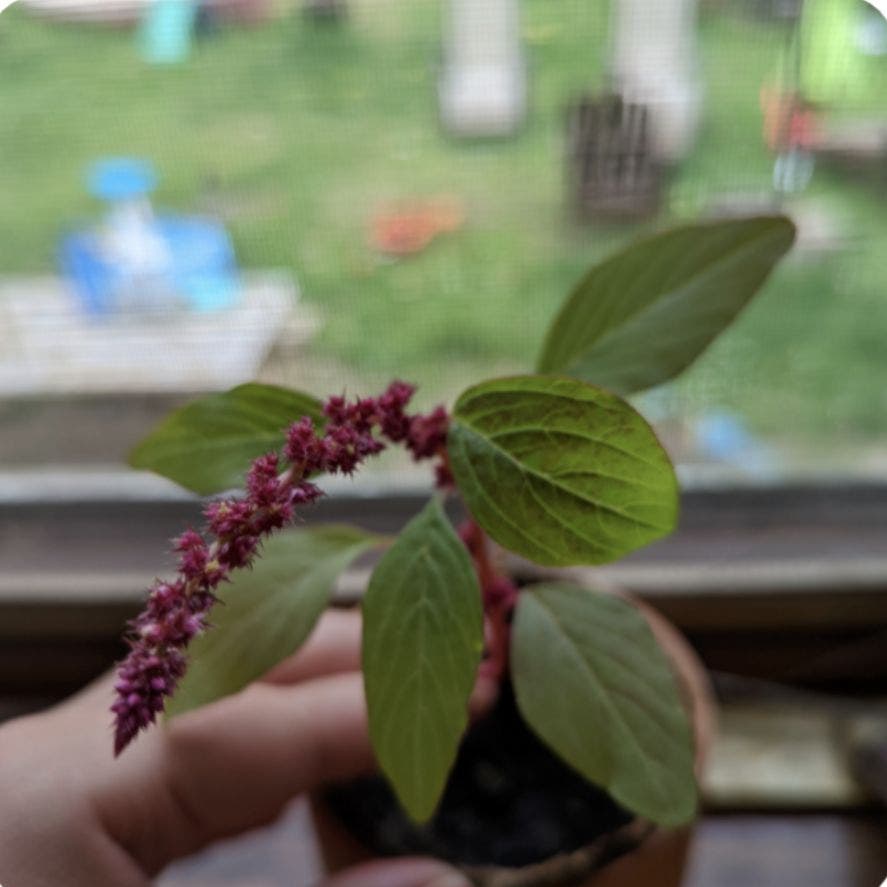
Best Potting Soil Mix for Largefruit Amaranth
Amaranthus deflexus
By the Greg Editorial Team
Mar 05, 2024•4 min read
This article was created with the help of AI so we can cover more plants for you. May contain errors. See one? Report it here.
Nurture bountiful Largefruit Amaranth with the secret to the ultimate potting mix. 🌿✨
- Mold and bad smells mean soil trouble; adjust water and airflow.
- 🌱 Look for organic, well-draining soil with pH balance for Amaranth.
- DIY mix: peat moss, perlite, sand, plus worm castings for nutrients.
Spotting and Fixing Unhappy Amaranth Soil
🚨 Recognizing the SOS signals from your soil
Mold growth, bad smells, and other red flags can signal that your Largefruit Amaranth soil is in distress. A musty odor or a greenish-white fuzz on the soil surface screams intervention needed. Yellowing leaves or a general look of despair in your plant may also indicate soil issues.
💫 Reviving your soil
Adjusting water habits is crucial. Overwatering is a common misstep; ensure your watering routine doesn't leave the soil soggy. Promoting airflow is equally important. If your soil feels like a packed suitcase, it's time to loosen up and let those roots breathe. Sunlight can be mold's nemesis, so don't shy away from giving your plant some rays. If the problem persists, consider a soil refresh—repot with a fresh, sterile mix to give your Amaranth a new lease on life.
Commercial Mixes: Picking the Right Bag
🏷️ What to Look for on the Label
When shopping for Largefruit Amaranth, the label is your best friend. Organic matter is a must; it's the soil's equivalent of a five-star meal for your plants. Look for compost or worm castings listed upfront. Drainage is non-negotiable; perlite or pumice should be present to keep those roots breathing easy. And let's talk pH – limestone should be in the mix to maintain that perfect balance. If the bag's tight-lipped about pH, it's a no-go.
Top Commercial Soil Picks for Largefruit Amaranth
Navigating the commercial soil aisle can be like finding a needle in a haystack. But for Largefruit Amaranth, a few brands stand out. Nature's Care is a win for the eco-conscious gardener, blending environmental responsibility with plant vitality. If you're looking for the upper echelon, premium mixes with charcoal or biochar offer that extra detox effect. And don't discount cactus mixes; with a bit more organic matter, they're a quick fix for your Amaranth's needs. Remember, even the best mix may need a personal tweak – don't hesitate to customize.
Crafting Your Own Amaranth-Specific Soil Mix
🌱 The perfect recipe for Largefruit Amaranth
Creating the ideal soil mix for Largefruit Amaranth is a straightforward affair. Mix two parts peat moss for moisture retention with one part perlite for drainage, and one part coarse sand to prevent compaction. This combination ensures a well-draining yet moist environment, ideal for the amaranth's roots.
🌿 Boosting your mix with organic goodies
To elevate your soil mix, incorporate organic enhancements. Add worm castings for improved soil structure and bone meal for a slow-releasing phosphorus source. These additions enrich the soil, fostering robust Largefruit Amaranth growth. Aim for a ratio of one part organic matter to every four parts of your base soil mix to maintain balance.
Keeping Your Soil Game Strong
🌱 Regular check-ups for your potting mix
Monthly soil check-ups are like a wellness routine for your Largefruit Amaranth. Dig in to assess the texture and moisture; if it feels more like concrete or a swamp than a fertile bed, it's time for some soil CPR. Keep an eye on drainage too; if water isn't flowing freely, you've got a bottleneck that could drown your plant's ambitions.
🛠 Quick fixes for common soil mix mishaps
Compaction is the party crasher in your pot's ecosystem. To break up the monotony, mix in some organic matter or perlite to keep things loose and breathable. If your soil is as nutrient-poor as a fast-food diet, consider a top dressing of compost or worm castings. It's like a nutrient infusion for your Amaranth's roots. Regularly testing the soil's pH and moisture levels with a simple probe can help you stay on top of its needs, avoiding the drama of a plant meltdown.
⚠️ Safety First
This content is for general information and may contain errors, omissions, or outdated details. It is not medical, veterinary advice, or an endorsement of therapeutic claims.
Always consult a qualified healthcare professional before using any plant as food, medicine, or supplement.
Never eat any plant (or feed one to pets) without confirming its identity with at least two trusted sources.
If you suspect poisoning, call Poison Control (800) 222-1222, the Pet Poison Helpline (800) 213-6680, or your local emergency service immediately.
Spotted an error? Please report it here.
Ensure your Largefruit Amaranth flourishes with the ideal soil mix and let Greg 🔍 precisely monitor moisture and pH levels for a thriving plant paradise.