🔍 Identifying What is Eating Your Gold Lace Primrose
Primula polyantha 'Gold Lace'
By the Greg Editorial Team
Oct 04, 2024•5 min read
This article was created with the help of AI so we can cover more plants for you. May contain errors. See one? Report it here.
- 🌼 Gold Lace Primrose attracts herbivores like deer, rabbits, and squirrels due to its beauty.
- 🚫 Effective deterrents include fencing, repellents, and netting to protect your plants.
- 🐦 Regular monitoring is essential to manage herbivore activity and maintain plant health.
Description and Appeal
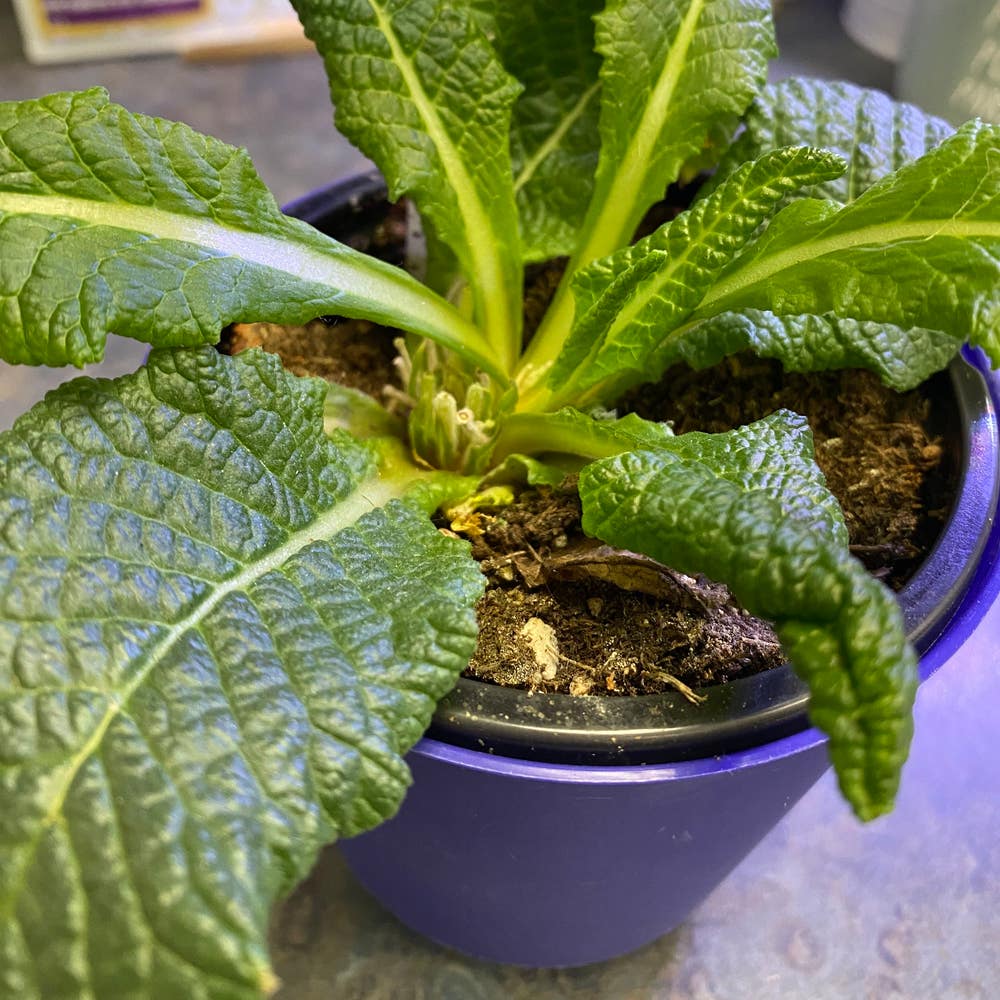
Gold Lace Primrose is a stunning addition to any garden, boasting vibrant yellow flowers and rosette leaves that catch the eye. Its beauty, however, comes with a downside: these features attract a variety of herbivores.
🐾 Most Appealing Parts to Animals
The flowers are particularly enticing, offering a tender and nutritious snack. Young shoots also draw attention due to their soft texture and high nutritional value, making them a favorite among many garden visitors.
Fruits become attractive during the growing season, providing yet another reason for herbivores to linger. Understanding these appealing aspects can help you better protect your Gold Lace Primrose from potential threats.
As we delve deeper into the common herbivores that may be munching on your plants, you'll gain insights into how to safeguard this beautiful flower while appreciating its role in the ecosystem.
Common Herbivores
🦌 Deer
Signs of presence
Look for distinct hoof prints in the soil and dark, pellet-like droppings near your Gold Lace Primrose. These signs indicate that deer are frequent visitors.
Type of damage
Deer are notorious for browsing, stripping leaves and flowers off your plants. They can also break stems due to heavy feeding, leaving your primrose vulnerable.
Beneficial or harmful interaction
Generally, deer interactions are harmful. If not managed, they can decimate your primrose population.
Deterrent methods (difficulty: moderate)
To keep deer at bay, consider installing 8-foot tall fencing. Alternatively, use commercial deer repellents or homemade solutions like garlic spray to deter them.
🐇 Rabbits
Signs of presence
Rabbits leave cleanly nibbled edges on foliage and small, round droppings scattered around. These signs are clear indicators of their presence.
Type of damage
Rabbits can cause significant leaf loss and nibble on flowers, which can be frustrating for any gardener. Their grazing habits can lead to stunted growth and reduced flowering.
Beneficial or harmful interaction
Overall, rabbit interactions are harmful. They can severely impact the health of your Gold Lace Primrose.
Deterrent methods (difficulty: easy)
To protect your plants, cover them with mesh netting. You can also use organic repellents like cayenne pepper or predator urine to keep rabbits away.
🐿️ Squirrels
Signs of presence
Squirrels often disturb the soil around the base of the plant and leave evidence of gnawing on young shoots. Look for these signs to identify their activity.
Type of damage
These critters can uproot your plants, dislodging them from the soil. They also gnaw on stems and leaves, causing significant damage.
Beneficial or harmful interaction
Squirrel interactions are generally harmful. Their activities can lead to considerable plant damage.
Deterrent methods (difficulty: moderate)
To deter squirrels, use reflective objects or noise-making devices. Live traps can also be effective for relocating them.
🐦 Birds
Signs of presence
Pecked flowers and nearby nests are clear signs of bird activity. These indicators show that birds are feeding on your Gold Lace Primrose.
Type of damage
Birds can eat seeds, leading to a loss of potential new plants. They also damage blooms, which can affect the overall aesthetics of your garden.
Beneficial or harmful interaction
While birds can be generally beneficial by controlling insect populations, their feeding can still be problematic.
Deterrent methods (difficulty: easy)
To protect your flowers and seeds, consider using bird netting. Hanging shiny objects can also deter birds from pecking at your plants.
🐭 Rodents (Mice, Voles)
Signs of presence
Look for small burrows or pathways in the soil, along with small, dark pellets near the plant base. These signs indicate rodent activity.
Type of damage
Rodents can gnaw on roots, leading to plant decline. They may also weaken the plant structure by gnawing on stems.
Beneficial or harmful interaction
Interactions with rodents are generally harmful. Their presence can severely impact the health of your Gold Lace Primrose.
Deterrent methods (difficulty: hard)
To manage rodent populations, use snap traps or live traps for removal. Encouraging natural predators like owls or hawks can also help keep them in check.
Understanding these common herbivores and their impact on your Gold Lace Primrose is crucial for effective management. With the right deterrent methods, you can protect your plants and enjoy their beauty for years to come.
General Strategies for Protection
🛡️ Preventive Measures
To protect your Gold Lace Primrose, consider fencing as a primary strategy. Installing physical barriers can effectively deter larger herbivores like deer.
Another effective method is companion planting. Pairing your primrose with plants that repel pests or attract beneficial insects can create a more resilient garden ecosystem.
⚠️ Reactive Solutions
If damage occurs, removing affected parts is crucial. Pruning damaged areas not only improves aesthetics but also encourages new growth.
Additionally, using repellents can be beneficial. Applying organic or chemical deterrents as needed helps keep herbivores at bay.
🌱 Seasonal Variations in Animal Attraction
Be aware of seasonal variations in herbivore activity. In spring, as new growth appears, herbivores become more active and may target your plants.
By late summer, the focus shifts to fruit and seed consumption. This shift can lead to increased visits from various animals, so stay vigilant.
With these strategies in place, you can better safeguard your Gold Lace Primrose from unwanted herbivore attention. Next, let’s explore the ecological role of these plants and the animals that interact with them.
Ecological Role
🐝 Beneficial Animals
Gold Lace Primrose isn't just a feast for herbivores; it's also a magnet for beneficial pollinators. Bees and butterflies flock to its vibrant blooms, playing a crucial role in pollination and plant reproduction.
☠️ Toxicity
Interestingly, Gold Lace Primrose has a mild toxicity that can deter excessive grazing. This natural defense mechanism helps protect the plant from being completely devoured by hungry herbivores.
⚖️ Importance of Balance
It's essential to recognize the dual role of herbivores in the ecosystem. While they can pose a threat to Gold Lace Primrose, they also contribute to nutrient cycling and enhance plant diversity. Managing their impact ensures a thriving garden while maintaining ecological harmony.
As we explore the delicate balance of nature, understanding these interactions can help us cultivate a healthier environment for our beloved Gold Lace Primrose.
⚠️ Safety First
This content is for general information and may contain errors, omissions, or outdated details. It is not medical, veterinary advice, or an endorsement of therapeutic claims.
Always consult a qualified healthcare professional before using any plant as food, medicine, or supplement.
Never eat any plant (or feed one to pets) without confirming its identity with at least two trusted sources.
If you suspect poisoning, call Poison Control (800) 222-1222, the Pet Poison Helpline (800) 213-6680, or your local emergency service immediately.
Spotted an error? Please report it here.
Safeguard your Gold Lace Primrose 🌼 from pesky herbivores with Greg's personalized tips and reminders, ensuring your garden flourishes beautifully!