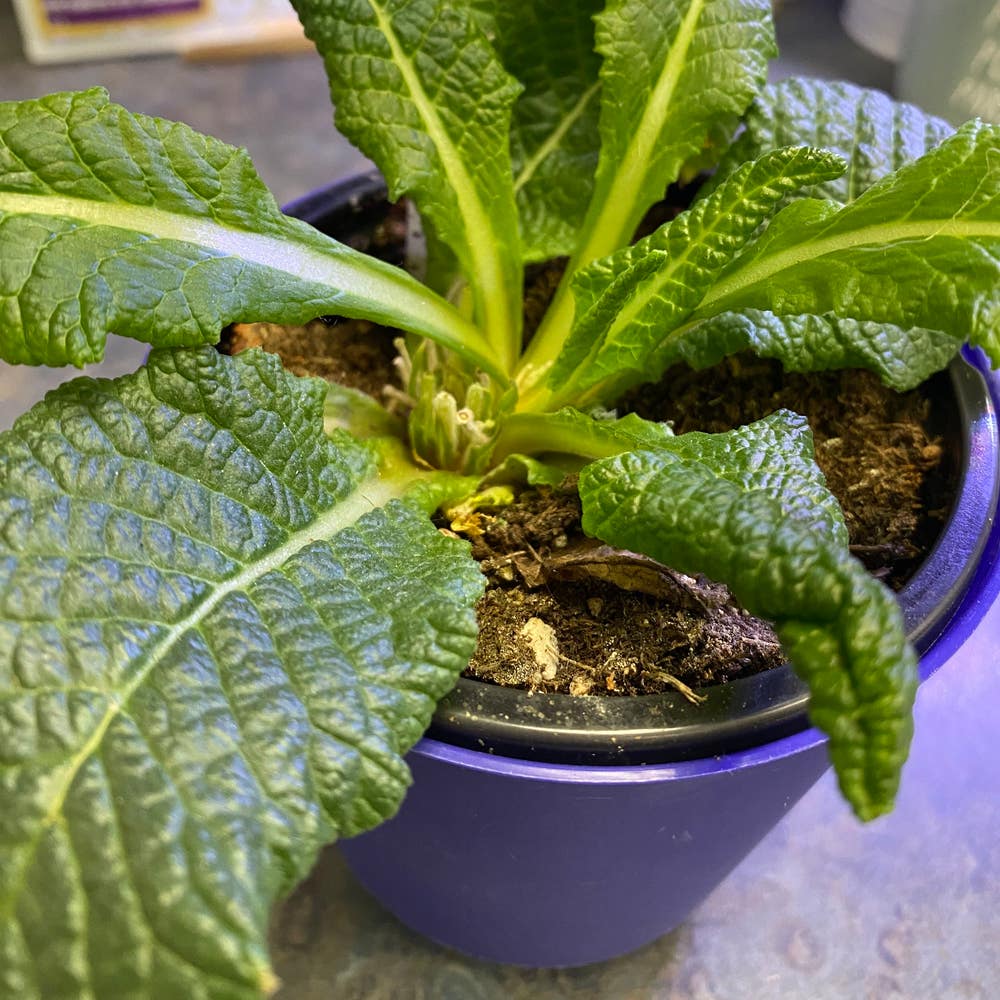
🌼 Managing Black Spots on Your Gold Lace Primrose Leaves
Primula polyantha 'Gold Lace'
By the Greg Editorial Team
Oct 04, 2024•6 min read
This article was created with the help of AI so we can cover more plants for you. May contain errors. See one? Report it here.
- 🌱 Identify black spots as fungal or bacterial for effective treatment.
- 💧 Humidity and soil moisture management prevents leaf spots on Gold Lace Primrose.
- 🧄 Natural remedies like neem oil and garlic spray effectively combat infections.
Diagnosing the Problem
Differentiating Between Fungal and Bacterial Infections 🦠
Identifying whether your Gold Lace Primrose is suffering from a fungal or bacterial infection is crucial for effective treatment.
Fungal infections typically present as powdery or fuzzy growths on the leaves, often featuring concentric rings. In contrast, bacterial infections manifest as water-soaked lesions that may ooze, indicating a more severe issue.
Role of Environmental Factors in Leaf Spot Development 🌧️
Environmental factors play a significant role in the development of leaf spots.
Humidity is a major player; high humidity levels can create a perfect breeding ground for fungal growth.
Soil moisture is equally important; maintaining appropriate watering techniques can help prevent excess moisture that encourages disease.
Additionally, temperature fluctuations can stress your plants, making them more susceptible to infections. Keeping an eye on these factors can help you maintain the health of your Gold Lace Primrose.
Understanding these elements will set the stage for effective treatment and prevention strategies.
Treatment Options
🌱 Organic Treatments for Black Spots
Neem Oil
Neem oil is a powerful organic solution for combating black spots. To apply, mix 2 tablespoons of neem oil with a gallon of water and a few drops of dish soap. Spray the mixture on affected leaves every 7-14 days until the problem subsides.
Baking Soda Solution
A simple baking soda solution can also help. Combine 1 tablespoon of baking soda with 1 gallon of water and a few drops of liquid soap. Spray this on the leaves every week to create an environment less favorable for fungal growth.
Garlic Spray
Garlic spray is another effective organic treatment. Blend 2-3 cloves of garlic with water, strain the mixture, and spray it directly onto the affected areas. This natural remedy not only deters pests but also helps in managing fungal infections.
⚗️ Chemical Fungicides: When and How to Use
Types of Fungicides
If organic treatments aren't enough, consider chemical fungicides. Pwateringcontaining chlorothalonil or copper-based fungicides are effective against leaf spots. Always read labels to ensure compatibility with Gold Lace Primrose.
Application Timing
Timing is crucial for maximum effectiveness. Apply fufungal infectionshe early morning or late afternoon when temperaturSoilre cooler. This helps prevent leaf burn and ensures better well-drainingSafety Precautions
When using chemicalroot systems safety is paramount. Wear gloves and a maskdrainageect yourself from inhalation and skin contact. Always follow the manufacturer's instructions for safe handling and application.
✂️ Step-by-Step Guide to Removing Affected Leaves
Identify Affected Leaves
Start by inspecting your Gold Lace Primrose for black spots and other symptomsGold Lace Primroseis key to preventing further spread.Use Clean, Sharp Scissors
Before cutting, ensure your scissors are clean and sharp. Sterilizing tools with rubbing alcohol can prevent inPrune backnew pathogens.Cut Leaves at the Base
Carefully cut the affected leaves at their base. Make sure no part of the leaf remains attached to the plant to avoid reinfection.Dispose of Leaves Properly
Dispose of the removed leaves in a sealed bag. Avoid composting them, as this can spread disease back to your plants.
With these treatment options, you can effectively manage black spots on your Gold Lace Primrose. Next, let’s explore preventive measures to keep your plants healthy and thriving.
Preventive Measures
Best Watering Practices to Prevent Black Spots 💧
To keep your Gold Lace Primrose healthy, focus on consistent watering. Aim to water deeply but infrequently, allowing the soil to dry out slightly between sessions.
Watering at the base of the plant is crucial. This technique helps prevent moisture from sitting on the leaves, reducing the risk of fGold Lace Primrose
Importance of Soil Drainage and Quality 🌱
Soil quality playapplying theme in preventing black spots. Use well-draining, nutrient-richfertilizepromote healthy root systems and overall plant vigor.
To ensure proper drainage, test your soil. You can do this by digging a small hole and filling it with water; if it drains within a few hours, you’re in good shape. If not, consider amending your soil with organic matter or sand.
Seasonal Care spider mitesmize Risk 🍂
Spring is the perfect time to prepare your Gold Lace Primrose for the growing season. Clear away any debris and checneem oilgns of disease to give your plants a fresh start.
As fall approaches, take steps to prepare your plants for winter. Prune back any dintegratege and ensure they are well-mulched to minimize disease risk during the colder months.
By following these preventive measures, you can significantlmanage pest populations of black spots and keep your Gold Lace Primrose thriving. Next, let’s explore ongoing care strategies to maintain their health throughout the year.
Ongoing Care
Regular Monitoring for Early Signs of Black Spots 🕵️♂️
To keep your Gold Lace Primrose healthy, regular inspections are crucial. Aim to check your plants at least once a week for any signs of black spots or other symptoms.
Look for early indicators like small black lesions or discoloration on the leaves. Catching these issues early can make a significant difference in treatment effectiveness.
Fertilization Practices to Promote Healthy Growth 🌱
Using the right fertilizers is key to promoting robust growth in your Gold Lace Primrose. Opt for balanced fertilizers that provide essential nutrients, applying them according to the package instructions.
Timing matters too; fertilize in early spring and again in mid-summer for optimal health. This ensures your plants have the nutrients they need during their active growing phases.
Pest Management Strategies to Support Leaf Health 🐞
Pests can pose a serious threat to your Gold Lace Primrose. Common culprits include aphids and spider mites, which can weaken your plants and exacerbate leaf spot issues.
Consider organic pest control methods like insecticidal soap or neem oil. These options are safe and effective, helping to keep your plants thriving without harsh chemicals.
For a comprehensive approach, integrate pest management strategies. This means combining various methods—like regular monitoring, organic treatments, and cultural practices—to effectively manage pest populations and support leaf health.
By staying vigilant and proactive, you can ensure your Gold Lace Primrose remains vibrant and healthy. Next, let’s explore preventive measures to further safeguard your plants against black spots.
⚠️ Safety First
This content is for general information and may contain errors, omissions, or outdated details. It is not medical, veterinary advice, or an endorsement of therapeutic claims.
Always consult a qualified healthcare professional before using any plant as food, medicine, or supplement.
Never eat any plant (or feed one to pets) without confirming its identity with at least two trusted sources.
If you suspect poisoning, call Poison Control (800) 222-1222, the Pet Poison Helpline (800) 213-6680, or your local emergency service immediately.
Spotted an error? Please report it here.
Keep your Gold Lace Primrose spot-free 🌿 by using Greg's tailored care reminders to tackle humidity and soil moisture issues for thriving plants!