Getting Your Gold Lace Primrose to Bloom 🌼
Primula polyantha 'Gold Lace'
By the Greg Editorial Team
Oct 04, 2024•5 min read
This article was created with the help of AI so we can cover more plants for you. May contain errors. See one? Report it here.
- 🌼 Gold Lace Primrose blooms in spring, peaking from March to May for vibrant colors.
- 🌱 Provide 4-6 hours of shade and nutrient-rich soil to encourage blooming.
- 🌿 Self-pollinates but benefits from cross-pollination, enhancing genetic diversity.
Flowering Status of Gold Lace Primrose
Clarification on Flowering Status 🌼
Yes, the Gold Lace Primrose does indeed produce flowers! These blooms are not just a pretty sight; they play a crucial role in the plant's lifecycle.
Flowers are essential for reproduction, allowing the plant to create seeds and ensure its continuation. Without them, the Gold Lace Primrose would struggle to thrive and spread.
If Gold Lace Primrose Flowers
🌼 Flower Characteristics
Description of Colors and Structure
Gold Lace Primrose showcases a stunning array of flower colors, including vibrant shades of yellow, purple, and white. The flowers typically form in clusters on tall spikes, with petals arranged in a delicate, star-like pattern that adds charm to any garden.
Self-Pollination vs. External Pollination
This plant is primarily self-pollinating, which means it can produce seeds without needing another plant. However, cross-pollination can enhance genetic diversity, leading to healthier plants and more robust flowers.
🌸 Blooming Process
Stages of Blooming
The blooming process of Gold Lace Primrose unfolds in several stages. It begins with bud formation, progresses to the opening of the flowers, and culminates in full bloom, showcasing its beauty.
Typical Bloom Time
Typically, Gold Lace Primrose blooms in the spring, with the peak season occurring from March to May. This timing aligns perfectly with the warming weather, making it a delightful addition to spring gardens.
Duration from Bud Formation to Full Bloom
From the initial bud formation to full bloom, expect a timeline of approximately 2 to 4 weeks. This gradual unfolding allows gardeners to anticipate the vibrant display.
Lifespan of Flowers
Once in full bloom, the flowers usually last for about 2 to 3 weeks before wilting. This relatively short lifespan is a reminder to enjoy their beauty while it lasts.
🌱 Encouraging Blooms
Tips for Promoting Flowering
To encourage your Gold Lace Primrose to bloom, consider the following tips:
- Optimal Sunlight Exposure: Aim for 4-6 hours of partial shade.
- Soil Conditions: Ensure the soil is well-drained and nutrient-rich.
- Regular Watering: Maintain consistent moisture without waterlogging.
- Fertilization: Use a balanced fertilizer during the growing season.
Factors Influencing Blooms
Several factors can influence blooming, including:
- Temperature: Cooler climates are preferred for optimal growth.
- Soil pH: A slightly acidic to neutral pH (6.0-7.0) is ideal.
- Seasonal Changes: Be mindful of how seasonal shifts can impact flowering.
🌿 Post-Flowering
What Happens After Flowering
After flowering, the Gold Lace Primrose transitions into a phase where it may produce seeds. This process is crucial for the plant's lifecycle and contributes to its propagation.
Lifespan of the Plant Post-Bloom
Post-bloom, the plant requires care to maintain its health. This includes understanding dormancy periods, which are essential for its long-term vitality.
🐝 Pollination
Methods of Pollination
Gold Lace Primrose primarily relies on self-pollination, which is efficient for seed production. To enhance cross-pollination, consider planting multiple varieties nearby, fostering a more diverse and vibrant garden.
This exploration of Gold Lace Primrose's flowering aspects sets the stage for understanding its ornamental features and unique reproductive strategies. Let's dive deeper into what happens when this beautiful plant doesn't flower.
If Gold Lace Primrose Doesn't Flower
🌿 Ornamental Features
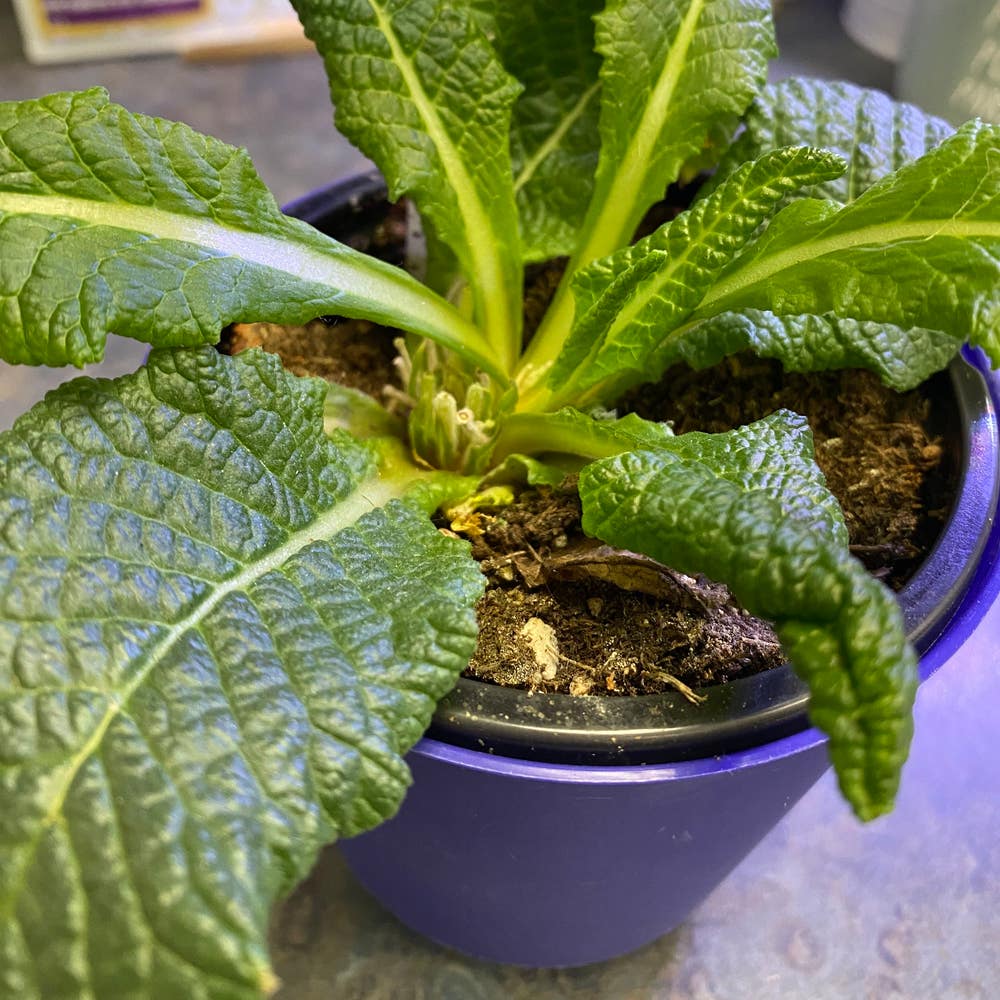
Gold Lace Primrose is a visual delight, even when it skips the flowering phase. Its rosette growth form creates a lush, compact appearance that can enhance any garden.
The leaves are uniquely patterned, often showcasing a mix of vibrant greens and subtle variegation. This foliage not only adds texture but also plays a crucial role in garden design, providing a backdrop that complements other plants beautifully.
🌱 Reproduction
Even without flowers, Gold Lace Primrose has clever ways to reproduce. It primarily relies on vegetative reproduction methods, such as offsets or division, allowing it to spread and thrive.
The foliage is essential in this process, as it stores energy and nutrients that support new growth. This adaptability ensures that the plant can continue to flourish, even in less-than-ideal conditions.
As we explore the unique aspects of Gold Lace Primrose, you'll discover how its resilience and reproductive strategies contribute to its charm and survival.
Unique Aspects
Unusual Characteristics Related to Flowering or Non-Flowering Nature 🌼
Gold Lace Primrose is remarkably adaptable, thriving in a variety of climates. Its ability to flourish in cooler environments makes it a favorite among gardeners in temperate regions.
This resilience allows it to maintain vibrant foliage even when flowering is sparse. The plant's unique growth habits ensure that it remains an attractive addition to any garden, regardless of its blooming status.
Interesting Facts or Trivia About Gold Lace Primrose's Reproductive Strategy 🌱
Historically, Gold Lace Primrose has held cultural significance, often symbolizing renewal and beauty. Its flowers are not just pretty; they carry meanings that resonate with many gardening enthusiasts.
The plant's reproductive strategy is fascinating, as it can thrive through vegetative reproduction. This means that even without flowers, it can continue to spread and flourish, showcasing its adaptability in various habitats.
In essence, Gold Lace Primrose is more than just a pretty face; it's a resilient survivor with a rich history and unique reproductive strategies that ensure its place in gardens around the world.
⚠️ Safety First
This content is for general information and may contain errors, omissions, or outdated details. It is not medical, veterinary advice, or an endorsement of therapeutic claims.
Always consult a qualified healthcare professional before using any plant as food, medicine, or supplement.
Never eat any plant (or feed one to pets) without confirming its identity with at least two trusted sources.
If you suspect poisoning, call Poison Control (800) 222-1222, the Pet Poison Helpline (800) 213-6680, or your local emergency service immediately.
Spotted an error? Please report it here.
Get your Gold Lace Primrose to achieve blooming brilliance 🌼 with Greg's tailored care reminders, ensuring it thrives in the perfect conditions for vibrant flowers this spring!