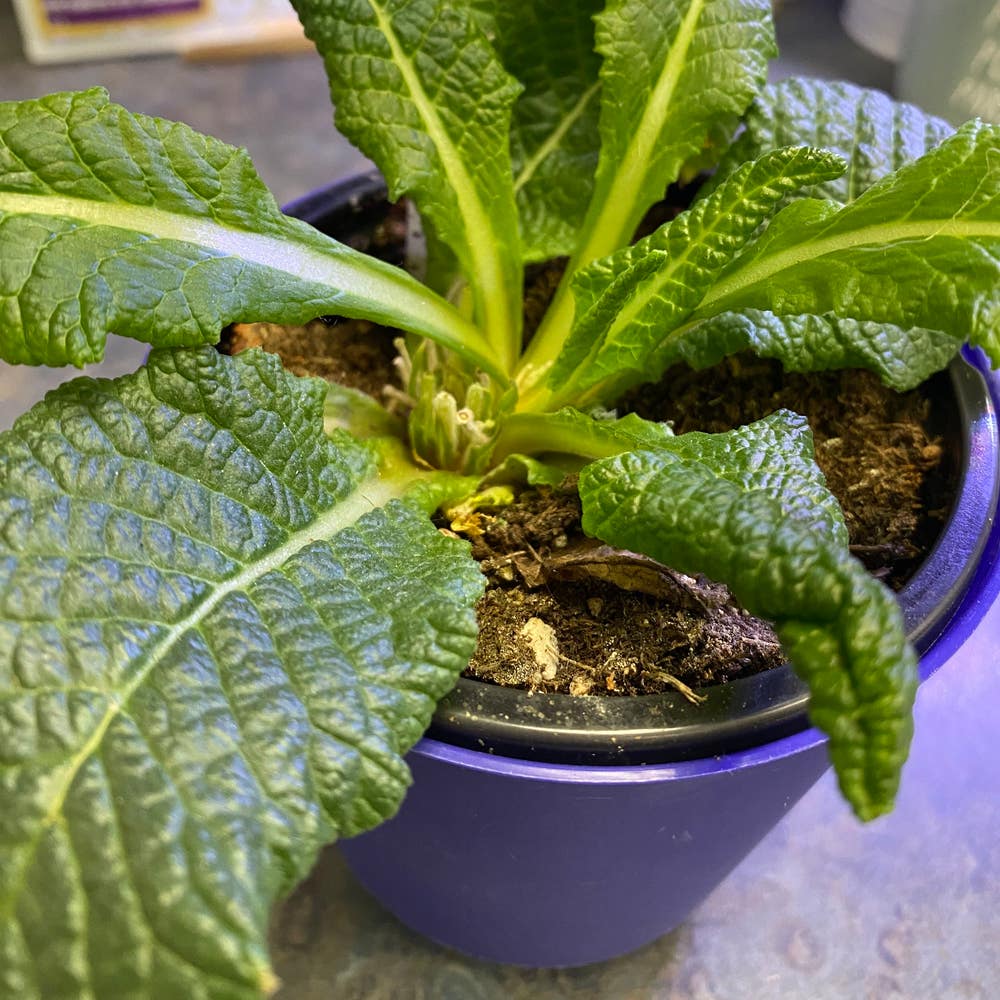
How to Fix Curling Leaves on Your Gold Lace Primrose 🦋
Primula polyantha 'Gold Lace'
By the Greg Editorial Team
Oct 04, 2024•6 min read
This article was created with the help of AI so we can cover more plants for you. May contain errors. See one? Report it here.
- 🌡️ Gold Lace Primrose prefers 15-20°C; temperature deviations cause leaf curling.
- 💧 Humidity levels of 50-70% are essential to prevent curling and browning leaves.
- 🌱 Regular inspections for pests and diseases help catch issues early, ensuring plant health.
Causes of Curling Leaves
🌪️ Environmental Stressors
Temperature fluctuations
Gold Lace Primrose thrives in a temperature range of 15°C to 20°C (59°F to 68°F). When temperatures stray from this ideal, you may notice symptoms like leaf curling, discoloration, and wilting.
Humidity levels
This plant prefers moderate to high humidity levels, ideally between 50-70%. Low humidity can lead to curling leaves and browning edges, signaling that your plant is stressed.
💧 Watering Issues
Overwatering
Overwatering is a common issue, with signs including yellowing leaves, soggy soil, and root rot. This lack of oxygen in the roots can cause leaf curling as the plant struggles to breathe.
Underwatering
On the flip side, underwatering can also lead to problems. Signs include wilting, dry soil, and crispy leaf edges, with leaf curling acting as a stress response to drought conditions.
🥦 Nutrient Deficiencies
Nitrogen deficiency
A nitrogen deficiency manifests as pale green leaves, stunted growth, and curling. Nitrogen is crucial for healthy leaf development, so keep an eye on your plant's nutrient levels.
Micronutrient imbalances
Common micronutrient deficiencies, like magnesium and iron, can also cause curling leaves. Look for symptoms such as interveinal chlorosis and poor growth to identify these issues early.
🐜 Pest Infestations
Common pests
Aphids and spider mites are two pests that can wreak havoc on your Gold Lace Primrose. Aphids are small, green insects that suck sap from leaves, while spider mites cause stippling and webbing.
Signs of pest damage
Watch for leaf curling, discoloration, and visible pests on the plant. Early detection is key to managing these infestations effectively.
🍄 Fungal Diseases
Identifying fungal infections
Fungal diseases like powdery mildew and root rot can also lead to curling leaves. Symptoms include white powdery spots, wilting, and, of course, leaf curling.
Treatment options
Early detection and treatment are crucial to prevent severe damage from fungal infections. Addressing these issues promptly can save your plant from further distress.
Understanding these causes will help you diagnose and treat curling leaves effectively. Next, let’s explore how to diagnose the specific issues affecting your Gold Lace Primrose.
Diagnosing Curling Leaves
🌿 Visual Symptoms
Types of Leaf Curl
Leaf curl can manifest in different ways, each hinting at specific issues. Downward curling often signals underwatering or a nutrient deficiency, while upward curling may indicate overwatering or pest damage.
Color Changes
Color changes in leaves are crucial indicators of plant health. Yellowing leaves typically point to nutrient deficiencies or overwatering, whereas browning often suggests environmental stress or pest damage.
🌍 Assessing Plant Environment
Soil Conditions
The right soil conditions are vital for your Gold Lace Primrose. Aim for well-drained, fertile soil, and regularly check moisture levels to avoid extremes that can lead to curling leaves.
Light Exposure
Light exposure plays a significant role in plant health. Ideally, your primrose should receive bright, indirect sunlight; too much or too little light can lead to leaf curling and discoloration.
🐛 Checking for Pests and Diseases
Inspection Techniques
Regular inspections are key to maintaining plant health. Examine leaves and stems for pests and look for signs of fungal infections, such as discoloration or spots, to catch issues early.
By understanding these diagnostic signs, you can take proactive steps to address the curling leaves on your Gold Lace Primrose. Next, let’s explore effective treatment methods to restore your plant’s health.
Treating Curling Leaves
💧 Watering Adjustments (difficulty: easy)
Proper watering techniques
To keep your Gold Lace Primrose thriving, water it when the top inch of soil feels dry. This ensures the plant receives adequate moisture without becoming waterlogged.
Deep watering is essential; it encourages strong root growth. Aim to saturate the soil thoroughly, allowing excess water to drain away.
Soil moisture testing
Regularly check soil moisture using a moisture meter or the finger test. This helps you gauge when to water and prevents both overwatering and underwatering.
Maintaining consistent moisture levels is crucial for plant health. Fluctuations can lead to stress, resulting in curling leaves.
🌱 Nutrient Management (difficulty: moderate)
Recommended fertilizers
Using a balanced NPK fertilizer, like a 10-10-10 mix, can significantly benefit your Gold Lace Primrose. Apply it every 4-6 weeks during the growing season for optimal growth.
This nutrient boost helps prevent deficiencies that can lead to curling leaves. Healthy plants are better equipped to resist stressors.
Application methods
Follow the package instructions for dilution and application to ensure effective fertilization. Over-fertilizing can harm your plant, so stick to the recommended amounts.
Proper application techniques can make a world of difference in your plant's vitality. A little care goes a long way!
🐞 Pest Control Methods (difficulty: moderate)
Organic pest control options
Consider using neem oil, which is effective against common pests like aphids and spider mites. It's a natural solution that won't harm your Gold Lace Primrose.
Insecticidal soap is another safe option for treating pest infestations. Regular applications can help keep your plant healthy and pest-free.
Chemical treatments
In cases of severe infestations, chemical treatments may be necessary. Always follow label instructions carefully to avoid damaging your plant.
Using chemicals should be a last resort, but sometimes it's essential for protecting your plant's health. Stay vigilant!
🍄 Fungal Treatment (difficulty: hard)
Fungicides and their application
For fungal issues like powdery mildew, broad-spectrum fungicides are effective. Apply them at the first sign of infection to prevent further damage.
Timely intervention is key to managing fungal diseases. Early detection can save your plant from severe harm.
Preventive measures
Good air circulation and proper watering techniques are vital for preventing fungal infections. Ensure your plant has enough space and avoid overhead watering.
Taking these preventive steps can help maintain a healthy environment for your Gold Lace Primrose. A little foresight goes a long way in plant care!
With these treatment strategies, you can effectively address curling leaves and promote a thriving Gold Lace Primrose. Next, let’s explore how to prevent curling leaves in the first place!
Preventing Curling Leaves
🌱 Best Practices for Care
Ideal Growing Conditions
To keep your Gold Lace Primrose thriving, focus on providing well-draining, fertile soil. Aim for bright, indirect sunlight to ensure optimal growth.
Regular Maintenance Tips
Regular pruning is essential. Remove any dead or damaged leaves to promote healthy growth and airflow.
Keeping the area around your plant clean is equally important. This helps prevent pests and diseases from taking hold.
🌦️ Seasonal Considerations
Adjusting Care with Changing Seasons
As temperatures rise in spring, increase your watering frequency. This helps your plant cope with the warmer conditions.
In fall, reduce watering and prepare your Gold Lace Primrose for dormancy. This adjustment is crucial for its health during the colder months.
Preparing for Temperature Extremes
Using mulch can be a game-changer. It helps regulate soil temperature and moisture, protecting your plant from extreme conditions.
🔍 Monitoring Plant Health
Regular Inspections
Make it a habit to check your plant weekly for signs of stress or pests. Early detection can save you from larger issues down the line.
Signs of Early Stress
Keep an eye out for leaf curling, discoloration, and wilting. These are key indicators that something needs your attention.
By following these preventive measures, you can maintain the health of your Gold Lace Primrose and enjoy its beauty year-round. Next, let’s dive into diagnosing curling leaves to better understand what might be going wrong.
⚠️ Safety First
This content is for general information and may contain errors, omissions, or outdated details. It is not medical, veterinary advice, or an endorsement of therapeutic claims.
Always consult a qualified healthcare professional before using any plant as food, medicine, or supplement.
Never eat any plant (or feed one to pets) without confirming its identity with at least two trusted sources.
If you suspect poisoning, call Poison Control (800) 222-1222, the Pet Poison Helpline (800) 213-6680, or your local emergency service immediately.
Spotted an error? Please report it here.
Keep your Gold Lace Primrose vibrant and healthy 🌱 by using Greg's tailored care tips and reminders to tackle curling leaves before they become a problem!