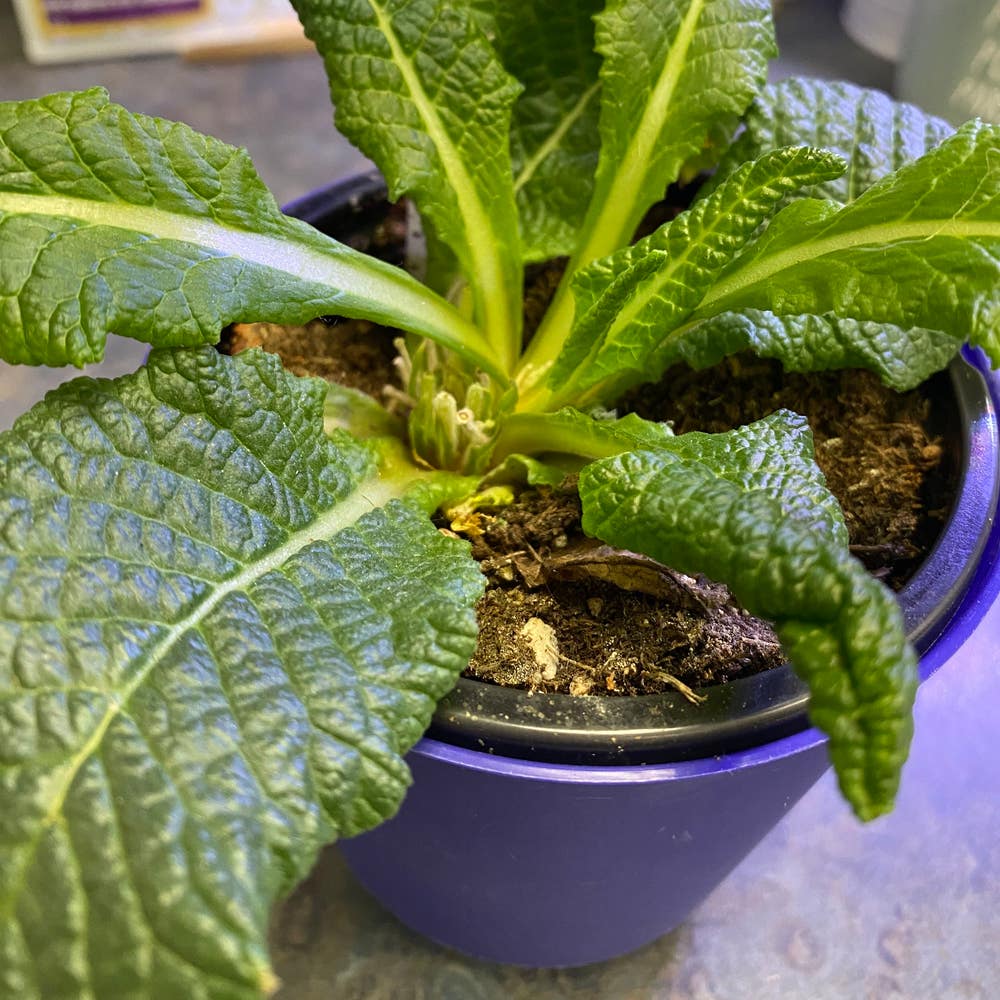
✂️ Ultimate Guide to Pruning Gold Lace Primrose
Primula polyantha 'Gold Lace'
By the Greg Editorial Team
Oct 04, 2024•5 min read
This article was created with the help of AI so we can cover more plants for you. May contain errors. See one? Report it here.
- 🌸 Prune Gold Lace Primrose in early spring for optimal health and blooms.
- ✂️ Deadheading spent flowers promotes new growth and vibrant displays.
- 🌱 Watch for wilted leaves; they signal it's time to prune for better air circulation.
When to Prune
🌱 Best Seasons for Pruning
Pruning your Gold Lace Primrose at the right time is crucial for its health and blooming potential. Early spring is ideal, as it allows you to trim before new growth begins, setting the stage for a vibrant season ahead.
Post-bloom pruning is equally important. After flowering, this practice encourages new growth and prepares the plant for the next blooming cycle.
🔍 Signs Indicating It's Time to Prune
Knowing when to prune can make all the difference. Look for wilted or dead leaves, which signal that removal is necessary to maintain plant health.
Overcrowded growth is another clear indicator. Pruning helps improve air circulation, reducing the risk of disease. Additionally, spent flowers should be removed to promote further blooming.
🌦️ Timing Considerations Based on Climate
Your local climate plays a significant role in determining the best pruning time. In cooler climates, it's best to prune in late spring, after the risk of frost has passed.
Conversely, warmer climates benefit from early spring pruning, which prevents heat stress and encourages robust growth. Understanding these timing nuances will help your Gold Lace Primrose thrive.
With the right pruning techniques in place, your plant will be well on its way to a flourishing season. Next, let’s explore the importance of deadheading to maximize your primrose's blooming potential.
Deadheading
🌼 Importance of Deadheading
Deadheading is the process of removing spent flowers from your Gold Lace Primrose. This simple act encourages new blooms and prevents the plant from wasting energy on seed formation.
✂️ Step-by-Step Instructions for Deadheading
- Identify spent flowers: Look for faded blooms that have lost their vibrant color.
- Use clean scissors: Cut the flower stem just above the first set of leaves to promote healthy regrowth.
- Dispose of removed flowers: Proper disposal helps prevent the spread of diseases that can harm your plant.
🌸 Benefits of Deadheading
Deadheading extends the blooming period, allowing your Gold Lace Primrose to produce more flowers throughout the season. It also improves the overall appearance, keeping your plant looking tidy and vibrant.
By incorporating deadheading into your gardening routine, you not only enhance the beauty of your Gold Lace Primrose but also promote its health and vitality. Next, let’s explore common pruning mistakes to avoid for optimal plant care.
Common Pruning Mistakes
Mistakes to Avoid 🌪️
Pruning can be a delicate balance, and it's easy to make mistakes. One of the most common errors is over-pruning, which involves removing too much foliage or stems, leaving the plant vulnerable.
Another mistake is pruning at the wrong time. This can lead to stress for the plant and reduced flowering, which is the opposite of what you want.
Recognizing Over-Pruning 🔍
So, how do you know if you've over-pruned? Look for signs like stunted growth, fewer blooms, and leaf yellowing. These indicators suggest that your plant may be struggling to recover.
The impact of over-pruning can be significant, potentially leading to long-term health issues for your primrose. It's crucial to be mindful of how much you cut back.
Tips for Correcting Errors 🛠️
If you suspect you've made a mistake, the first step is to allow recovery time. Avoid further pruning until the plant stabilizes and shows signs of new growth.
Additionally, monitor the plant's health closely. Adjust your care practices, such as watering and fertilizing, to support recovery. With a little patience, your primrose can bounce back beautifully.
Understanding these common mistakes will help you maintain a thriving Gold Lace Primrose. Next, let’s explore the essential post-pruning care to ensure your plant flourishes.
Post-Pruning Care
Care After Pruning 🌱
After pruning your Gold Lace Primrose, proper care is essential for its recovery. Start by ensuring consistent moisture; water the plant regularly but avoid waterlogging, which can lead to root rot.
Mulching is another key step. A layer of mulch helps retain moisture and suppress weeds, creating a healthier environment for your plant to thrive.
Signs of Stress and Recovery 👀
Keep an eye out for signs of stress in your primrose. Wilting, yellowing leaves, or slow growth can indicate that your plant is struggling after pruning.
Conversely, look for signs of recovery. New growth appearing within a few weeks is a positive indication that your plant is bouncing back and gearing up for a vibrant blooming season.
With the right care, your Gold Lace Primrose will flourish, setting the stage for stunning displays in the garden. Next, let’s explore how pruning can optimize flowering for even more beautiful blooms.
Pruning for Optimal Flowering
🌸 How Pruning Affects Flowering
Pruning plays a crucial role in encouraging lateral growth, which leads to more flowering stems. By removing competition among buds, you redirect the plant's energy toward producing vibrant new blooms.
✂️ Techniques to Encourage More Blooms
Selective pruning is key. Focus on removing spent flowers and any weak stems to promote healthier growth.
Timing adjustments are also essential. Prune at optimal times based on seasonal growth patterns to maximize flowering potential.
🌱 Seasonal Adjustments
In spring, prioritize shaping the plant and removing any dead material. This sets the stage for robust growth as the season progresses.
After blooming, engage in deadheading and additional pruning. This prepares your Gold Lace Primrose for its next blooming cycle, ensuring a continuous display of flowers throughout the season.
With these techniques, you'll not only enhance the beauty of your garden but also foster a thriving environment for your plants.
⚠️ Safety First
This content is for general information and may contain errors, omissions, or outdated details. It is not medical, veterinary advice, or an endorsement of therapeutic claims.
Always consult a qualified healthcare professional before using any plant as food, medicine, or supplement.
Never eat any plant (or feed one to pets) without confirming its identity with at least two trusted sources.
If you suspect poisoning, call Poison Control (800) 222-1222, the Pet Poison Helpline (800) 213-6680, or your local emergency service immediately.
Spotted an error? Please report it here.
Transform your Gold Lace Primrose into a blooming beauty 🌼 by using Greg's tailored pruning reminders and expert tips to ensure vibrant growth all season long!