☀️ What to Do When Your Gold Lace Primrose Leaves Turn Yellow
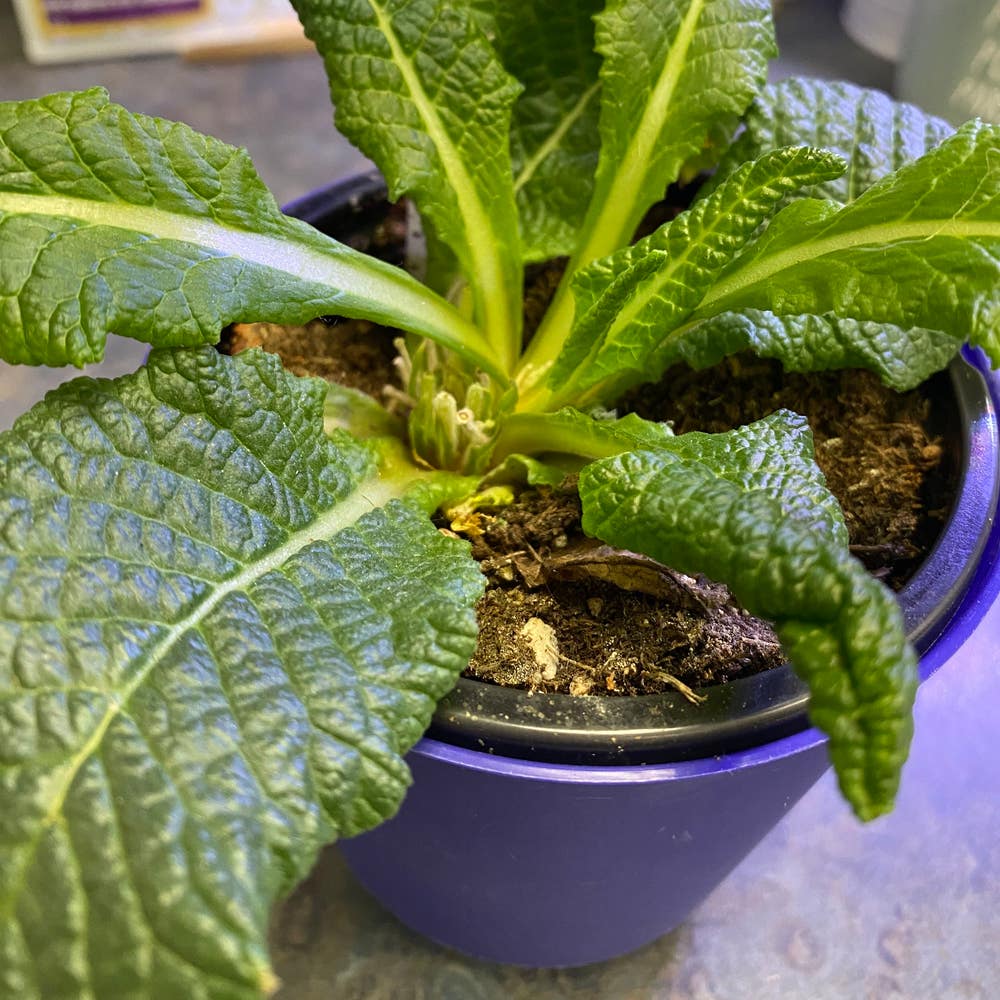
Primula polyantha 'Gold Lace'
By the Greg Editorial Team
Oct 04, 2024•5 min read
This article was created with the help of AI so we can cover more plants for you. May contain errors. See one? Report it here.
- 🌱 Yellow leaves indicate overwatering, nutrient deficiencies, or pests. Check all factors!
- 💧 Prevent overwatering by ensuring soil dries out before the next watering session.
- 🐛 Inspect regularly for pests like aphids; early detection prevents severe damage.
Causes of Yellowing Leaves
💧 Overwatering and Root Rot
Overwatering is a common issue that can lead to yellowing leaves, especially the older ones. If your Gold Lace Primrose is wilting despite moist soil, it’s a clear sign that something's off.
Root rot often stems from poor soil drainage, creating waterlogged conditions that invite fungal infections. To prevent this, always use well-draining soil mixes and ensure your pots have drainage holes.
🥦 Nutrient Deficiencies
Nitrogen Deficiency
A nitrogen deficiency can manifest as general yellowing of older leaves and stunted growth. To remedy this, apply a balanced fertilizer rich in nitrogen or consider organic options like compost or fish emulsion.
Iron Deficiency
Iron deficiency presents itself through yellowing between leaf veins, known as interveinal chlorosis. New growth may also appear yellow while older leaves remain green, signaling a need for iron chelate or iron sulfate, along with checking that your soil pH is between 6.0 and 7.0.
🐜 Pest Infestation
Aphids
Aphids can wreak havoc on your plants, leaving a sticky residue known as honeydew on the leaves. Look for curling or distorted leaves as signs of infestation.
To control aphids, use insecticidal soap or neem oil. Introducing beneficial insects like ladybugs can also help keep their numbers in check.
Spider Mites
Spider mites are another pest to watch for, often leaving fine webbing on leaves and causing yellow speckling on foliage. Increasing humidity around the plant can deter them, along with using miticides or insecticidal soap.
🌡️ Environmental Stress
Temperature
Gold Lace Primrose thrives in temperatures between 15°C and 20°C (59°F to 68°F). If temperatures soar, yellowing leaves may indicate heat stress.
To combat this, provide shade during peak heat or move pots to cooler locations as needed.
Light
These plants prefer bright, indirect light. Too much direct sunlight can lead to yellowing leaves, signaling light stress.
Adjusting the plant's placement can ensure it receives adequate light without harsh exposure.
Understanding these causes is crucial for maintaining the health of your Gold Lace Primrose. Next, we’ll explore effective solutions for yellow leaves to help your plant thrive.
Solutions for Yellow Leaves
Adjusting Watering Practices 🌊
Assess Current Watering Schedule: Water your Gold Lace Primrose only when the top inch of soil feels dry. This helps prevent overwatering, a common cause of yellowing leaves.
Implement Proper Watering Techniques: Water deeply but infrequently. This encourages strong root growth and helps the plant access moisture more effectively.
Monitor Drainage: Ensure your pots have adequate drainage holes. This prevents water from accumulating at the bottom, which can lead to root rot.
Fertilization Techniques 🌱
Choose the Right Fertilizer: Opt for a balanced fertilizer during the growing season. This provides essential nutrients that promote healthy growth.
Apply Fertilizers Correctly: Always follow the package instructions for dosage and frequency. Over-fertilizing can be just as harmful as under-fertilizing.
Consider Organic Options: Use compost or slow-release fertilizers for sustained nutrition. These options enrich the soil naturally and support long-term plant health.
Pest Management Strategies 🐞
Regularly Inspect Plants: Make it a habit to check the undersides of leaves for pests. Early detection can save your plant from severe damage.
Implement Control Measures: Use organic pesticides as needed. They are effective and less harmful to beneficial insects.
Encourage Beneficial Insects: Create a habitat for natural predators like ladybugs. They help keep pest populations in check, promoting a healthier garden ecosystem.
By implementing these solutions, you can effectively address yellowing leaves and nurture your Gold Lace Primrose back to health. Next, let’s explore preventative measures to keep your plant thriving year-round.
Preventative Measures
Proper Soil Selection and Drainage 🌱
Choosing the right soil is crucial for your Gold Lace Primrose. A well-draining potting mix is essential; consider incorporating perlite or sand to enhance drainage.
Ensure your pots have drainage holes. This simple step prevents water from accumulating at the bottom, which can lead to root rot.
Seasonal Care Tips 🌦️
Adjusting your care routine with the seasons can make a significant difference. During dry spells, provide extra water to keep your plant hydrated.
In colder months, protect your primrose from frost. Additionally, monitor temperature and light exposure, moving plants indoors during extreme weather to keep them thriving.
Monitoring Plant Health Regularly 👀
Establishing a routine for checking your plant's health is vital. Inspect leaves and soil moisture weekly to catch any issues early.
Keeping a gardening journal can be incredibly helpful. Document changes in plant health and any care adjustments you make to track what works best for your Gold Lace Primrose.
These preventative measures will help ensure your plant remains healthy and vibrant. Next, let’s explore when to seek professional help if problems persist.
When to Seek Professional Help
Signs of Severe Damage 🌿
If your Gold Lace Primrose shows extensive yellowing or wilting, it might be time to seek professional help. Persistent pest infestations that don’t respond to treatment are also a clear indicator that your plant needs expert intervention.
Consider whether the plant is worth saving. Sometimes, replacing it may be the most practical solution, especially if the damage is extensive.
Consulting Local Garden Centers or Experts 🏪
Professional advice can be invaluable when dealing with plant health issues. Local experts offer insights based on regional conditions and can recommend specific products or treatments tailored to your situation.
To find help, visit local nurseries or gardening clubs. Engaging with these communities can provide you with the support and knowledge needed to revive your plant or make informed decisions about its future.
As you navigate these challenges, remember that seeking help is a proactive step towards nurturing your garden.
⚠️ Safety First
This content is for general information and may contain errors, omissions, or outdated details. It is not medical, veterinary advice, or an endorsement of therapeutic claims.
Always consult a qualified healthcare professional before using any plant as food, medicine, or supplement.
Never eat any plant (or feed one to pets) without confirming its identity with at least two trusted sources.
If you suspect poisoning, call Poison Control (800) 222-1222, the Pet Poison Helpline (800) 213-6680, or your local emergency service immediately.
Spotted an error? Please report it here.
Revive your Gold Lace Primrose from yellowing leaves 🌼 by using Greg's tailored care reminders and community insights to keep it thriving and vibrant!