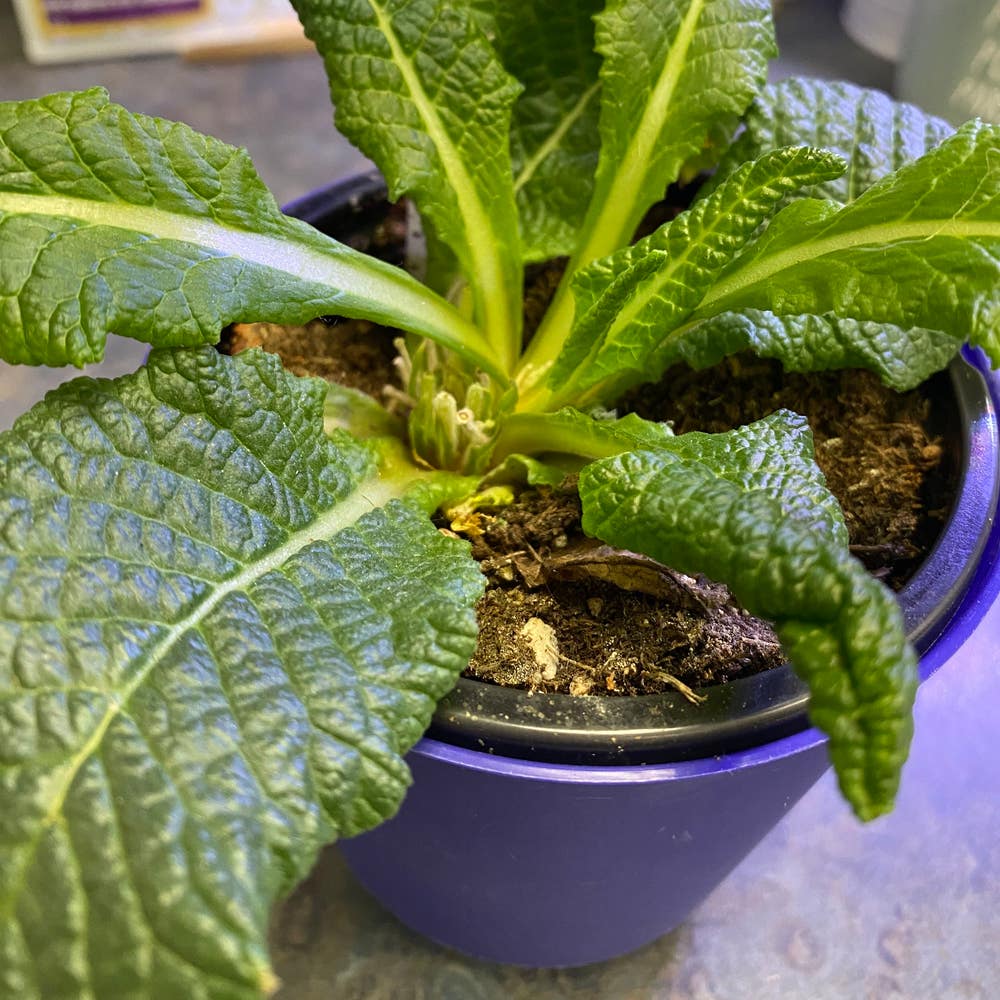
💧 4 Indoor Gold Lace Primrose Care Hacks
Primula polyantha 'Gold Lace'
By the Greg Editorial Team
Oct 04, 2024•5 min read
This article was created with the help of AI so we can cover more plants for you. May contain errors. See one? Report it here.
- 🌞 Gold Lace Primrose needs 10-12 hours of bright, indirect sunlight daily.
- 💧 Maintain humidity levels of 40-60% to prevent leaf curling and browning.
- 🌱 Use well-draining soil and adjust watering to avoid root rot and wilting.
Light Requirements
Ideal Indoor Light Levels 🌞
For your Gold Lace Primrose, the best light exposure is bright, indirect sunlight. Aim for a daily light duration of 10-12 hours to keep your plant thriving.
Using Grow Lights 💡
If natural light is scarce, grow lights can be a game-changer. They supplement sunlight, especially in those dim corners of your home.
How to Choose the Best Grow Light
- Type: Opt for full-spectrum LED or fluorescent lights for optimal growth.
- Wattage: A range of 20-40 watts is ideal to ensure your plant gets enough energy.
Placement and Duration of Grow Light Exposure
Position your grow light 12-18 inches above the plant for the best results. During winter months, keep the light on for 12-14 hours daily to mimic longer daylight hours.
With the right light conditions, your Gold Lace Primrose will flourish beautifully. Next, let’s explore how to maintain the perfect temperature and humidity for your plant's health.
Temperature and Humidity Control
🌡️ Temperature Requirements
For your indoor Gold Lace Primrose, maintaining an optimal temperature range of 60-70°F (15-21°C) is crucial. Cooler temperatures help prevent stress and encourage blooming, ensuring your plant thrives.
💧 Humidity Needs
Humidity plays a vital role in the health of your primrose. Aim for ideal humidity levels of 40-60%.
Methods to Maintain Humidity
- Humidifier: Use one in dry environments to keep moisture levels up.
- Pebble Trays: Place trays filled with water beneath the pot to create a humid microclimate.
- Grouping Plants: Cluster your plants together to naturally increase humidity around them.
🚨 Signs of Low Humidity
Keep an eye out for signs that your primrose might be struggling with low humidity. Common indicators include leaf curling or browning at the edges, as well as stunted growth or poor flowering.
By monitoring temperature and humidity, you can create a nurturing environment for your Gold Lace Primrose. This attention to detail will help your plant flourish and bring vibrant blooms into your home.
Next, let’s explore the best soil type and watering techniques to keep your primrose healthy and happy.
Soil Type and Watering Techniques
🌱 Soil Type for Primrose
To thrive, Gold Lace Primrose needs a well-draining soil mix. A combination of potting soil, perlite, and sand works wonders, ensuring that excess moisture doesn't linger.
The ideal pH level for this plant is slightly acidic to neutral, ranging from 6.0 to 7.0. This balance helps promote healthy growth and vibrant blooms.
💧 Watering Techniques
Watering your primrose correctly is crucial for its health. Aim to let the top inch of soil dry out between waterings to prevent soggy roots.
When you do water, do it thoroughly until you see it drain from the bottom. This method ensures that the roots receive adequate moisture without becoming waterlogged.
⚠️ Signs of Overwatering and Underwatering
Keep an eye on your plant for signs of distress. Overwatering often manifests as yellowing leaves, mushy roots, or even root rot.
On the flip side, underwatering can lead to wilting leaves, dry soil, and stunted growth. Regular monitoring will help you strike the right balance.
Understanding these soil and watering techniques will set you on the path to a flourishing Gold Lace Primrose. Next, let’s dive into pest management to keep your plant healthy and thriving.
Pest Management
Common Pests Affecting Indoor Primrose 🐜
Indoor Gold Lace Primroses can attract a few pesky pests. Aphids are a common nuisance, often leaving curled leaves and a sticky residue behind.
Spider mites are another threat, recognizable by fine webbing and stippled leaves. Keeping an eye out for these signs can save your plant from serious damage.
Prevention Strategies 🚫
Preventing pest infestations starts with regular inspections. Check both leaves and soil for any unusual signs.
Maintaining plant health is crucial. Proper watering and fertilization can bolster your primrose's defenses against pests.
Treatment Options for Pest Infestations 🧪
If you do encounter pests, there are effective treatment options available. Organic solutions like neem oil or insecticidal soap can help eliminate infestations without harsh chemicals.
For a more hands-on approach, consider mechanical methods. Hand-picking pests or using sticky traps can effectively reduce their numbers.
By staying vigilant and proactive, you can keep your Gold Lace Primrose thriving and pest-free. Next, let’s explore how to enhance its placement and aesthetics in your home.
Placement and Aesthetics
Best Locations in the Home 🌅
Finding the right spot for your Gold Lace Primrose is crucial for its health. Place it near east or west-facing windows to ensure it receives bright, indirect sunlight.
Avoid locations with direct sunlight or drafty areas. These conditions can stress the plant and hinder its growth.
Tips for Maintaining Appearance ✂️
Regular pruning is essential to keep your primrose looking its best. Remove any dead or yellowing leaves to promote new growth and enhance its appearance.
Cleaning the leaves is another simple yet effective tip. Wipe them with a damp cloth to remove dust and allow the plant to breathe better.
With the right placement and care, your Gold Lace Primrose will thrive and add beauty to your indoor space.
Next, let’s dive into troubleshooting common issues that may arise with your primrose care.
Troubleshooting Common Issues
🕵️ Identifying and Solving Common Problems
Indoor Gold Lace Primroses can face a few common issues that are easy to spot. If you notice yellowing leaves, it’s time to check your watering habits or consider possible nutrient deficiencies.
Poor flowering can be frustrating. In this case, assess your plant's light levels and temperature to ensure they’re within the ideal range.
🍂 Seasonal Care Adjustments
As the seasons change, so should your care routine. In spring, increase both watering and fertilization to support new growth.
During the fall and winter months, reduce watering frequency and maintain cooler temperatures to help your primrose thrive in dormancy.
By staying attentive to these common issues and seasonal adjustments, you can keep your Gold Lace Primrose healthy and vibrant. Next, let’s explore effective pest management strategies to protect your plant from unwanted visitors.
⚠️ Safety First
This content is for general information and may contain errors, omissions, or outdated details. It is not medical, veterinary advice, or an endorsement of therapeutic claims.
Always consult a qualified healthcare professional before using any plant as food, medicine, or supplement.
Never eat any plant (or feed one to pets) without confirming its identity with at least two trusted sources.
If you suspect poisoning, call Poison Control (800) 222-1222, the Pet Poison Helpline (800) 213-6680, or your local emergency service immediately.
Spotted an error? Please report it here.
Transform your indoor space with a thriving Gold Lace Primrose 🌿 by using Greg's tailored watering alerts and light tips to keep your plant flourishing all year round!