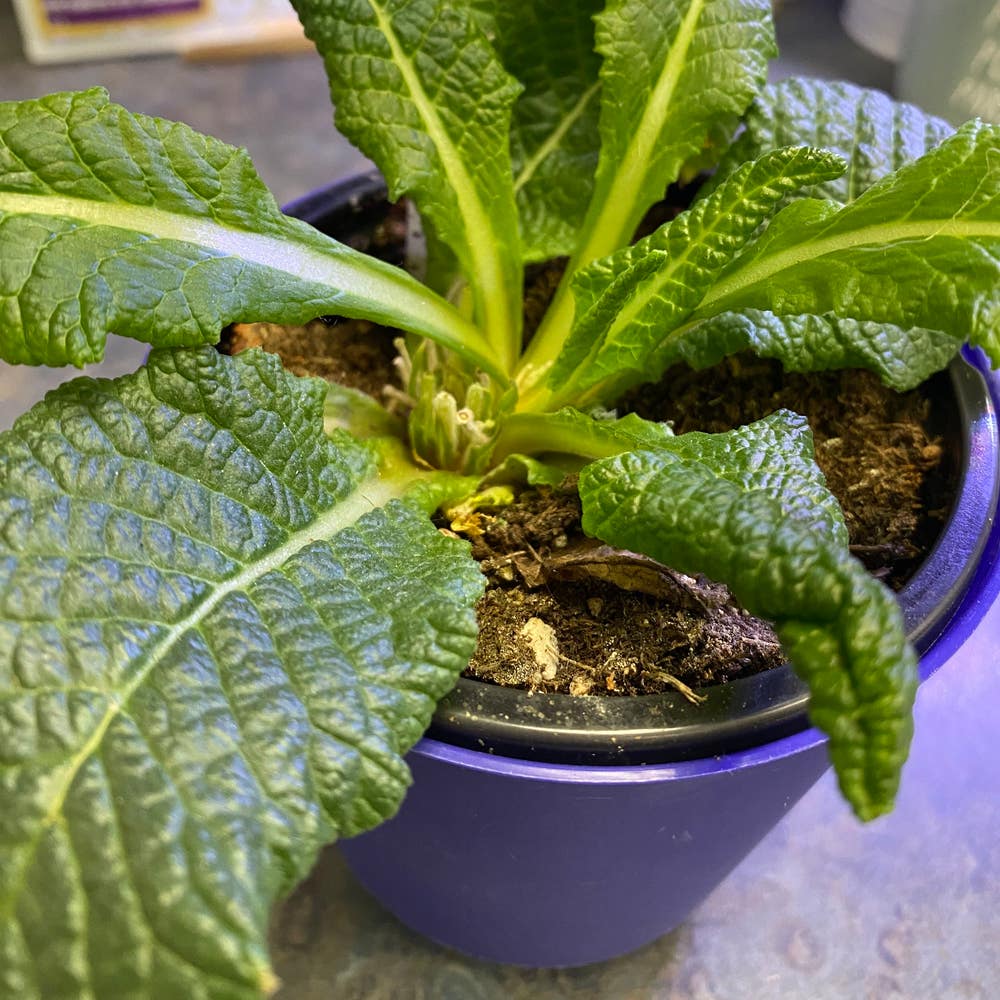
🌼 3 Tips for Healthy Gold Lace Primrose Roots
Primula polyantha 'Gold Lace'
By the Greg Editorial Team
Oct 04, 2024•5 min read
This article was created with the help of AI so we can cover more plants for you. May contain errors. See one? Report it here.
- 🌱 Gold Lace Primrose has fibrous roots that efficiently absorb nutrients from topsoil.
- 💧 Well-draining soil prevents root rot, ensuring healthy growth and vibrant plants.
- 🌞 Monitor moisture levels and water weekly during growth for optimal root health.
Root System Characteristics
Type of Root System 🌱
Gold Lace Primrose features a fibrous root system, characterized by its shallow yet extensive network. This design allows for efficient nutrient uptake, making it well-suited for various soil types.
In contrast to taproot systems, which delve deep into the ground, fibrous roots spread out horizontally. While taproots can access moisture from deeper layers, fibrous roots excel in nutrient absorption from the topsoil, providing a distinct advantage in nutrient-rich environments.
Specific Characteristics of Roots 🌿
These roots have unique adaptations that enhance their ability to absorb nutrients effectively. Their shallow nature means they can quickly take up available nutrients, but it also makes them vulnerable to drought stress.
Well-draining soil is crucial for maintaining root health. Poor drainage can lead to waterlogged conditions, which can suffocate roots and hinder their growth. Additionally, the shallow roots of Gold Lace Primrose are more susceptible to drought, so consistent moisture is essential for thriving plants.
Understanding these root characteristics can help you provide the best care for your Gold Lace Primrose, ensuring vibrant growth and resilience.
As we explore further, let’s delve into the root growth patterns that influence how these plants develop over time.
Root Growth Patterns
Root Depth and Spread 🌱
Gold Lace Primrose typically develops a root depth of 6 to 12 inches. However, its roots can spread impressively, extending up to 2 feet wide, creating a robust network for nutrient absorption.
Growth Patterns and Seasonal Changes 🍂
Root growth is most active in spring and early summer, coinciding with the plant's overall growth phase. As temperatures drop in fall and winter, the roots enter a dormancy period, reducing their activity significantly.
Temperature and Moisture Impact 🌡️
Temperature and moisture levels play crucial roles in root development. Warmer temperatures and adequate moisture promote healthy growth, while extremes can hinder root function.
Understanding these growth patterns is essential for maintaining the health of your Gold Lace Primrose. By recognizing when the roots are most active, you can tailor your care techniques accordingly.
Care Techniques
Watering Practices Based on Root System 💧
To keep your Gold Lace Primrose thriving, proper watering is essential. Watering should be done weekly during the growing season, but reduce frequency during dormancy.
Avoiding waterlogging is crucial to prevent root rot. Ensure your soil drains well to keep those fibrous roots healthy and happy.
Fertilizing Methods Tailored to Root Health 🌱
Choosing the right fertilizer can make a significant difference. Opt for balanced NPK ratios to support robust growth.
Timing is everything; fertilize during active growth phases in spring and early summer for the best results. This helps your plants absorb nutrients effectively.
Transplanting Considerations for Root Care 🌍
Transplanting can be a delicate process, but with the right techniques, you can minimize stress on the roots. The best times to transplant are early spring or fall.
When transplanting, aim to disturb the roots as little as possible. This helps maintain their health and encourages successful establishment in their new home.
By following these care techniques, you’ll set your Gold Lace Primrose up for success. Next, let’s explore common root issues that may arise and how to tackle them effectively.
Common Root Issues
Identifying Root-Related Problems 🌱
Root health is crucial for the overall vitality of Gold Lace Primrose. Watch for signs of root rot, such as wilting, yellowing leaves, and mushy roots. These symptoms indicate that the roots are struggling, often due to excess moisture.
Pests can also wreak havoc on root systems. Nematodes and root weevils are common culprits that can compromise root health. Identifying these pests early can save your plants from serious damage.
Prevention Tips for Root Rot and Pests 🚫
Preventing root rot starts with ensuring well-draining soil. This is essential to avoid waterlogging, which can lead to root decay.
Proper watering techniques are equally important. Water only when the top inch of soil feels dry to the touch.
Companion planting can also be a game-changer. Certain plants can deter pests, creating a healthier environment for your Gold Lace Primrose.
Solutions for Unhealthy Roots 🛠️
If you suspect root rot, treatment options include fungicides and soil amendments. These can help restore balance and promote healthy growth.
Reviving unhealthy roots requires careful attention. Techniques like root pruning can stimulate new growth and improve overall health.
By addressing these common root issues, you can ensure your Gold Lace Primrose thrives. Next, let’s explore how to identify indicators of root health for ongoing care.
Indicators of Root Health
🌱 Visual Cues for Healthy vs. Unhealthy Roots
Healthy roots are a gardener's pride. They should feel firm and exhibit a white or light tan color, indicating vitality and proper nutrient absorption.
In contrast, unhealthy roots present a worrying sight. Look for dark, mushy textures or foul smells, which signal decay and potential root rot.
🔍 Other Indicators of Root System Vitality
Beyond root appearance, overall plant vigor is crucial. Leaf color, flowering abundance, and growth rate all reflect the health of the root system.
Soil moisture levels also play a vital role. Regular monitoring ensures roots remain hydrated without becoming waterlogged, promoting robust growth.
Keeping an eye on these indicators can make all the difference in maintaining a thriving Gold Lace Primrose. With healthy roots, your plant will flourish, setting the stage for the next topic on rootbound conditions.
Rootbound Plants
Definition and Recognition of Rootbound Conditions 🌱
Rootbound plants occur when roots circle the pot, leading to stunted growth. You can spot this condition by looking for roots emerging from the drainage holes.
When and How to Address Rootbound Issues 🛠️
Spring is the best time to intervene with rootbound plants. To alleviate this condition, prune the roots and repot the plant in a larger container.
Importance of Root Health in Propagation and Division 🌿
Healthy root systems are crucial for successful propagation. When dividing Gold Lace Primrose, ensure you time it right and follow proper care tips to promote robust growth.
By keeping an eye on root health, you set the stage for thriving plants and successful propagation efforts. Next, let’s explore common root issues that can affect your Gold Lace Primrose.
⚠️ Safety First
This content is for general information and may contain errors, omissions, or outdated details. It is not medical, veterinary advice, or an endorsement of therapeutic claims.
Always consult a qualified healthcare professional before using any plant as food, medicine, or supplement.
Never eat any plant (or feed one to pets) without confirming its identity with at least two trusted sources.
If you suspect poisoning, call Poison Control (800) 222-1222, the Pet Poison Helpline (800) 213-6680, or your local emergency service immediately.
Spotted an error? Please report it here.
Nurture your Gold Lace Primrose roots for vibrant growth 🌼 by using Greg's custom watering reminders and expert care tips to keep them thriving!