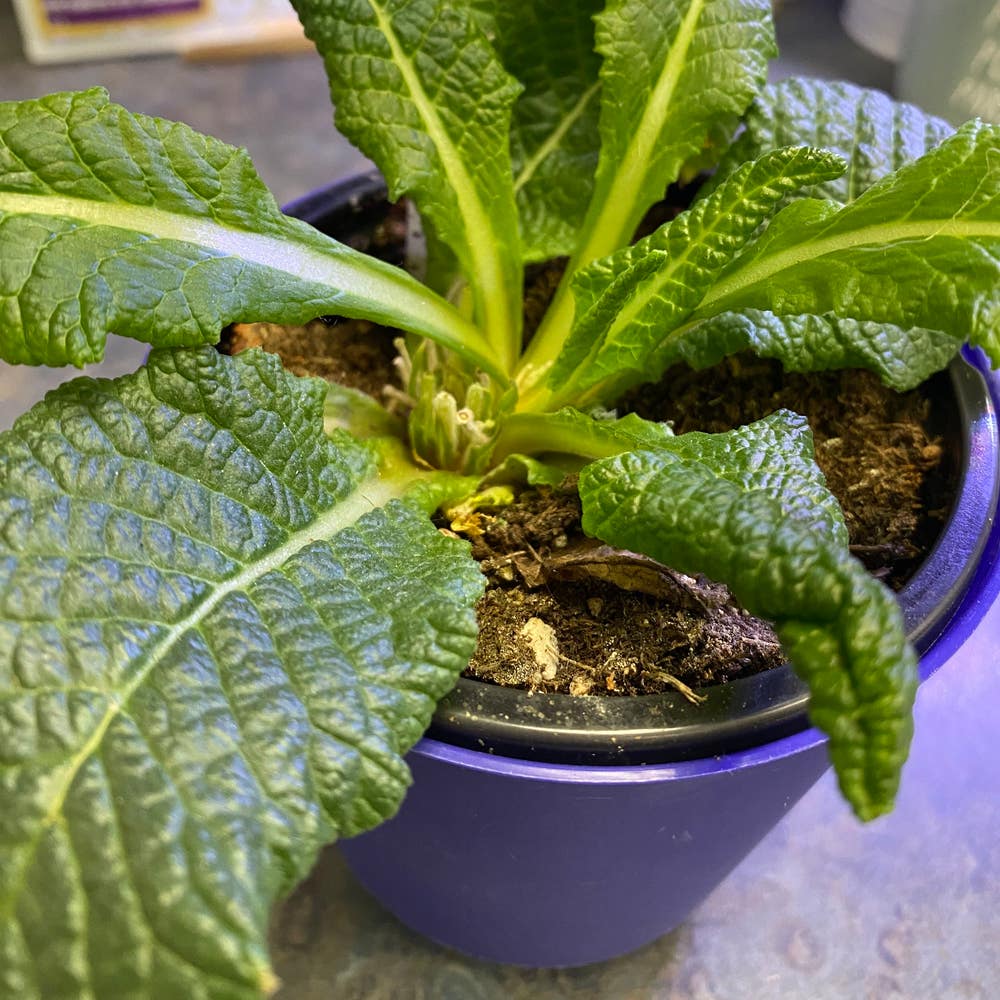
🌼 How to Fix Brown Spots on Your Gold Lace Primrose
Primula polyantha 'Gold Lace'
By the Greg Editorial Team
Oct 04, 2024•6 min read
This article was created with the help of AI so we can cover more plants for you. May contain errors. See one? Report it here.
- 💧 Proper watering prevents brown spots; avoid both overwatering and underwatering.
- 🌞 Gold Lace Primrose thrives in partial shade, protecting it from harsh afternoon sun.
- 🐛 Monitor for pests and diseases early to maintain plant health and prevent damage.
Diagnosing the Problem
Assessing Watering Practices 🌊
Understanding your watering habits is crucial for the health of your Gold Lace Primrose.
Signs of Overwatering
Look for yellowing leaves and mushy stems. If the soil feels overly wet or soggy, it’s a clear indication that you might be giving your plant too much water.
Signs of Underwatering
On the flip side, crispy leaf edges and drooping foliage signal underwatering. Check if the soil is dry and crumbly; this means your plant is thirsty.
Evaluating Soil Conditions 🌱
Soil drainage plays a vital role in your plant's health.
Importance of Soil Drainage
Gold Lace Primrose thrives in a well-draining, loamy mix.
Testing Drainage
Conduct water retention tests to see how well your soil drains. Pour water into the soil and observe how quickly it absorbs; slow absorption can lead to root issues.
Checking for Pests and Diseases 🐛
Pests and diseases can wreak havoc on your Gold Lace Primrose.
Common Pests
Aphids are a common nuisance, leaving sticky residue and causing curled leaves. Spider mites can also be problematic, often leaving webbing and stippling on the leaves.
Identifying Diseases
Watch for leaf spot disease, characterized by dark spots with yellow halos. Root rot is another concern, often showing symptoms of wilting even when you’re watering adequately.
Analyzing Light Exposure ☀️
Light conditions are essential for your plant's growth.
Sunlight Requirements
Gold Lace Primrose prefers partial shade, steering clear of direct afternoon sun.
Signs of Inadequate Light
If you notice etiolated growth—stretched stems and pale leaves—your plant may not be getting enough light.
By diagnosing these issues, you can take the necessary steps to restore your Gold Lace Primrose to its vibrant self. Next, we’ll explore effective treatment options to tackle these problems head-on.
Treatment Options
🌱 Organic Solutions for Fungal Infections
Natural fungicides can be effective in treating fungal infections on your Gold Lace Primrose.
Neem Oil
Neem oil is a popular choice. Apply it every 7-14 days, ensuring you cover both the tops and undersides of the leaves for maximum effectiveness.
Baking Soda Solution
A simple baking soda solution can also help. Mix one tablespoon of baking soda with a gallon of water and spray it on affected areas every two weeks.
⚗️ Chemical Treatments for Severe Cases
For more severe fungal issues, chemical treatments may be necessary.
Recommended Fungicides
Look for fungicides with active ingredients like copper-based compounds or sulfur. Follow the application guidelines closely, typically applying every 7-10 days until the issue resolves.
💧 Adjusting Watering and Fertilization Practices
Proper watering and fertilization are crucial for recovery.
Watering Techniques
Water your Gold Lace Primrose when the top inch of soil feels dry. Deep watering is preferred, as it encourages strong root growth.
Fertilization Adjustments
Use a balanced NPK fertilizer or slow-release options during active growth periods. This will provide essential nutrients without overwhelming the plant.
✂️ Pruning Affected Leaves
Pruning is an essential step in treatment.
Pruning Techniques
Use clean, sharp scissors to remove affected leaves. Early in the season is the best time for pruning to promote healthy growth.
Disposal of Pruned Material
Dispose of pruned material properly to prevent the spread of disease. This simple step can make a significant difference in your plant's health.
By implementing these treatment options, you can effectively address brown spots on your Gold Lace Primrose. Next, let’s explore preventive measures to keep your plant thriving year-round.
Preventive Measures
🌊 Best Practices for Watering Gold Lace Primrose
Establishing a consistent watering schedule is crucial for the health of your Gold Lace Primrose. Aim to water every 5-7 days, adjusting based on weather conditions to prevent both overwatering and underwatering.
Using moisture meters can enhance accuracy, ensuring you're providing just the right amount of water. This simple tool helps you gauge soil moisture, allowing for informed decisions.
🌱 Soil Amendments for Better Drainage
Improving soil drainage is essential for preventing brown spots. Consider adding perlite or sand to your soil mix; these amendments enhance texture and promote better drainage.
Incorporating organic matter, like compost, boosts nutrient retention, creating a healthier environment for your plants. This combination supports robust growth and minimizes stress.
☀️ Choosing the Right Location for Optimal Sunlight
Selecting the ideal planting spot can make a significant difference. Gold Lace Primrose thrives in morning sun but benefits from afternoon shade, protecting it from harsh heat.
Avoid areas with reflected heat, as this can lead to stress and browning. A well-chosen location sets the stage for vibrant blooms and healthy foliage.
🔍 Regular Monitoring for Pests and Diseases
Routine inspections are key to early detection of pests and diseases. Aim for weekly checks to catch any issues before they escalate.
Look for signs like discoloration or unusual growth patterns. Staying vigilant helps maintain the health of your Gold Lace Primrose and ensures it remains a stunning addition to your garden.
By implementing these preventive measures, you can foster a thriving environment for your Gold Lace Primrose. This proactive approach not only enhances plant health but also minimizes the risk of brown spots, setting the stage for a flourishing garden.
Seasonal Considerations
🌱 Care During the Growing Season
During the growing season, your Gold Lace Primrose requires careful attention to fertilization and watering. Increase your watering frequency as the temperatures rise, ensuring the soil remains consistently moist but not soggy.
Monitor your plants for signs of stress, such as wilting or discoloration. These indicators can help you adjust your care routine promptly, ensuring your primrose thrives.
❄️ Winter Care to Prevent Brown Spots
As winter approaches, protecting your Gold Lace Primrose from frost becomes crucial. Apply a layer of mulch around the base to insulate the roots and retain moisture.
If your plants are in pots, consider transitioning them indoors to shield them from harsh weather. This can help prevent brown spots and maintain overall plant health.
🍂 Adjusting Care Based on Seasonal Changes
With the changing seasons, it's essential to adjust your watering practices. Reduce the frequency during cooler months, as the plants require less moisture.
Keep an eye on indoor humidity levels, especially if your primrose is inside. Additionally, switch to low-nitrogen fertilizers in the fall to prepare your plants for dormancy, ensuring they remain healthy through the winter months.
By following these seasonal care tips, you can keep your Gold Lace Primrose vibrant and free from brown spots year-round. Next, let’s explore preventive measures to maintain your plant's health.
⚠️ Safety First
This content is for general information and may contain errors, omissions, or outdated details. It is not medical, veterinary advice, or an endorsement of therapeutic claims.
Always consult a qualified healthcare professional before using any plant as food, medicine, or supplement.
Never eat any plant (or feed one to pets) without confirming its identity with at least two trusted sources.
If you suspect poisoning, call Poison Control (800) 222-1222, the Pet Poison Helpline (800) 213-6680, or your local emergency service immediately.
Spotted an error? Please report it here.
Keep your Gold Lace Primrose spot-free 🌿 by using Greg's tailored watering reminders and pest alerts to ensure it thrives all year round!