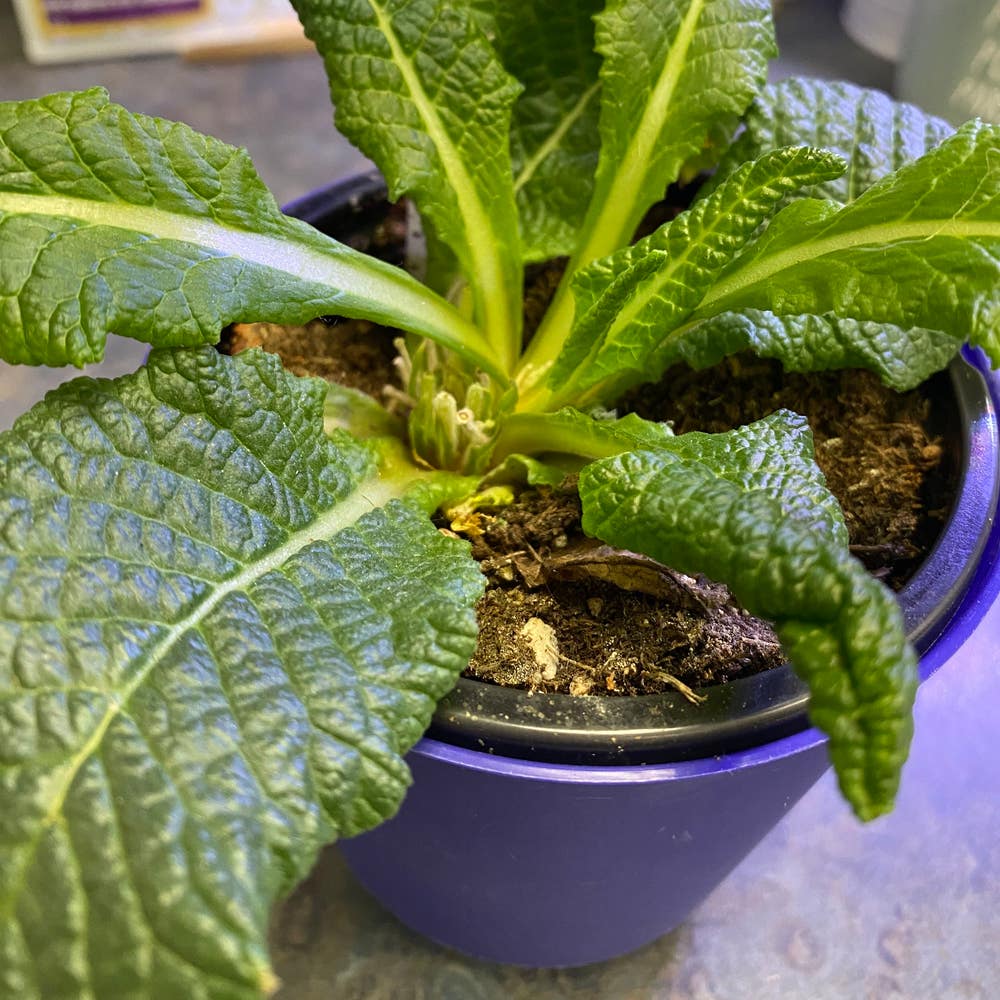
🌼 Where Can Gold Lace Primrose Grow? Zones 3a-8b
Primula polyantha 'Gold Lace'
By the Greg Editorial Team
Oct 04, 2024•4 min read
This article was created with the help of AI so we can cover more plants for you. May contain errors. See one? Report it here.
- 🌍 Gold Lace Primrose thrives in USDA zones 3a-8b, suitable for diverse climates.
- ❄️ It withstands extreme cold down to -40°F, ensuring winter resilience.
- ☀️🌧️ Partial shade to full sun is ideal for optimal growth and vibrant blooms.
Temperature Tolerance
❄️ Cold Tolerance Specifics
Gold Lace Primrose is remarkably resilient, with a minimum temperature tolerance that dips down to -40°F (-40°C) in hardiness zone 3a. This cold tolerance allows it to thrive even in harsh winter conditions, making it a favorite among gardeners in colder climates.
Additionally, this plant can withstand late spring and early fall frosts. This ability ensures that your garden remains vibrant, even when temperatures fluctuate unexpectedly.
☀️ Heat Tolerance Specifics
On the flip side, Gold Lace Primrose can handle maximum temperatures up to 90°F (32°C) for short periods. However, prolonged exposure to high heat can adversely affect its growth and flowering.
When temperatures soar, the plant may struggle to maintain its health and vigor. It's essential to monitor conditions during heat waves to ensure optimal growth.
🌡️ Ideal Temperature Ranges for Growth
For the best results, aim for an optimal temperature range of 60°F to 75°F (15°C to 24°C). This range promotes healthy growth and vibrant blooms.
Temperature stability is crucial for the overall health of Gold Lace Primrose. Fluctuations outside this range can hinder flowering and affect the plant's vitality.
Understanding these temperature tolerances will help you create the perfect environment for your Gold Lace Primrose. Next, let’s explore the ideal growing regions where this stunning plant can flourish.
Ideal Growing Regions
🌱 Examples of US States Suitable for Growth
Gold Lace Primrose thrives in USDA hardiness zones 3a to 8b. Ideal states include Minnesota, Wisconsin, Michigan, New York, and Oregon, where conditions align perfectly for this vibrant plant.
🌦️ Factors Contributing to Ideal Growing Conditions
Moist, well-drained soils are crucial for root health. These conditions prevent waterlogging, which can lead to root rot.
Light exposure also plays a significant role. Gold Lace Primrose flourishes in partial shade to full sun, allowing it to maximize its growth potential.
🌍 Regional Climate Characteristics
The climate in these suitable states is generally temperate and moist. This environment supports the plant's growth cycle and enhances its flowering capabilities.
Seasonal variations, such as warm summers and cold winters, are beneficial. They create a natural rhythm that Gold Lace Primrose needs for optimal health and blooming.
Understanding these ideal growing regions can help you cultivate a thriving garden. Next, let’s explore how microclimates can further influence the growth of Gold Lace Primrose.
Microclimates and Their Impact
🌍 Definition of Microclimates
Microclimates are localized climate zones that differ from the surrounding areas. They can be influenced by various factors, creating unique growing conditions for plants like Gold Lace Primrose.
🌱 How Microclimates Can Extend Growing Zones
Several factors contribute to the formation of microclimates:
- Elevation: Higher altitudes can lead to cooler temperatures, creating a distinct environment.
- Proximity to Water: Bodies of water can moderate temperatures, providing a more stable climate.
- Urban Heat Islands: Cities often experience warmer temperatures due to human activity and infrastructure.
These microclimates can significantly extend the growing range of Gold Lace Primrose, allowing it to thrive in areas that might otherwise be unsuitable.
🌿 Examples of Microclimates Affecting Growth
Certain locations showcase how microclimates can enhance growth potential. For instance, urban gardens often benefit from the warmth of surrounding buildings, allowing for successful cultivation of Gold Lace Primrose even in cooler zones.
Additionally, sheltered areas, such as those near hills or large trees, can create protective environments that mitigate harsh weather conditions. These examples highlight the importance of understanding microclimates when planning your garden.
In summary, recognizing and utilizing microclimates can be a game-changer for gardeners looking to grow Gold Lace Primrose beyond typical hardiness zones. Next, we’ll delve into a state-level suitability analysis to identify where this beautiful plant can flourish.
State-Level Suitability Analysis
List of States Within Suitable Hardiness Zones 🌱
Gold Lace Primrose thrives in several states that fall within hardiness zones 3a to 8b. Notable states include:
- Minnesota
- Wisconsin
- Michigan
- New York
- Oregon
These regions provide the ideal temperature and moisture conditions for this beautiful plant.
List of States Outside Suitable Hardiness Zones 🚫
Conversely, some states are not suitable for Gold Lace Primrose. These include:
- Florida
- Texas
- Arizona
The climate in these areas poses challenges that can hinder the plant's growth.
Reasons for Suitability or Unsuitability 🤔
The suitability of states for Gold Lace Primrose largely hinges on temperature extremes. States like Florida and Texas experience high heat that exceeds the plant's tolerance, while Arizona's arid conditions lack the necessary moisture.
Soil and moisture conditions also play a crucial role. Gold Lace Primrose prefers moist, well-drained soils, which are often absent in unsuitable regions. Understanding these factors can help gardeners make informed decisions about where to plant this lovely flower.
As we explore the next section, consider how microclimates can further influence the growth potential of Gold Lace Primrose, even in less-than-ideal conditions.
⚠️ Safety First
This content is for general information and may contain errors, omissions, or outdated details. It is not medical, veterinary advice, or an endorsement of therapeutic claims.
Always consult a qualified healthcare professional before using any plant as food, medicine, or supplement.
Never eat any plant (or feed one to pets) without confirming its identity with at least two trusted sources.
If you suspect poisoning, call Poison Control (800) 222-1222, the Pet Poison Helpline (800) 213-6680, or your local emergency service immediately.
Spotted an error? Please report it here.
Grow your Gold Lace Primrose like a pro 🌱 with Greg's tailored care reminders, ensuring it thrives in your unique climate and conditions!