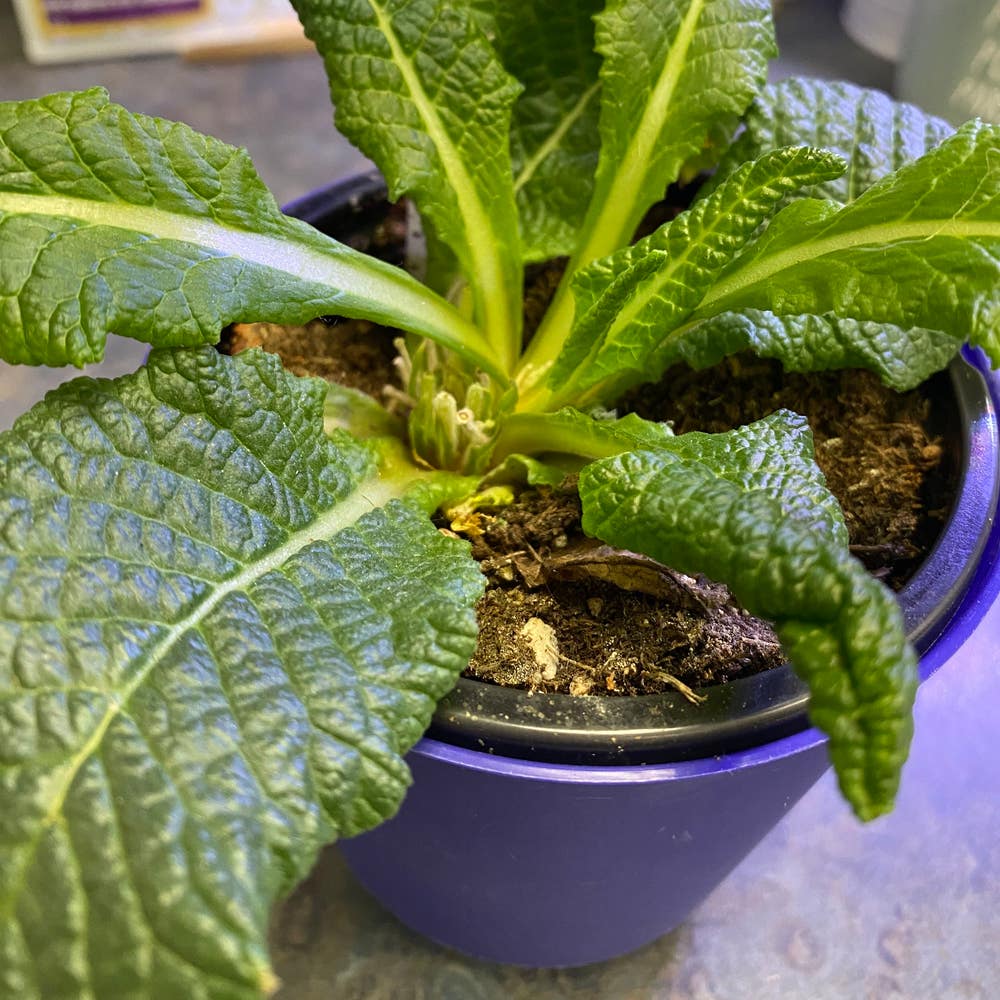
🌼 How to Propagate Your Gold Lace Primrose
Primula polyantha 'Gold Lace'
By the Greg Editorial Team
Oct 04, 2024•5 min read
This article was created with the help of AI so we can cover more plants for you. May contain errors. See one? Report it here.
- 🌱 Collect seeds in late summer for optimal Gold Lace Primrose propagation.
- 🌡️ Sow seeds indoors 6-8 weeks before frost for best germination results.
- 🌿 Maintain humidity and moisture for successful cutting propagation and root growth.
Seed Propagation
🌱 Collecting Seeds
Timing is crucial when collecting seeds from your Gold Lace Primrose. Aim for late summer, when the seed pods are dry and ready for harvest.
To collect, gently shake or cut the seed pods to release the seeds. After collection, store them in a cool, dry place until you're ready to sow.
🧑🌾 Preparing Soil for Sowing
The right soil mix is essential for successful seed propagation. Use a well-draining blend, ideally combining peat and perlite.
Aim for a slightly acidic to neutral pH level, between 6.0 and 7.0. Seed trays or pots with drainage holes work best for sowing.
🌍 Sowing Seeds Indoors vs. Outdoors
Indoor Sowing
For indoor sowing, time it right—6 to 8 weeks before the last frost is ideal. Sow seeds at a depth of 1/8 inch for optimal growth.
Outdoor Sowing
If you prefer outdoor sowing, wait until after the last frost when soil temperatures are consistently above 60°F (15°C). Space seeds 12 inches apart to give them room to thrive.
⏳ Germination Conditions and Time Frame
Creating the right conditions for germination is key. The ideal temperature ranges from 65°F to 70°F (18°C to 21°C).
Provide bright, indirect light while avoiding direct sunlight. Expect germination to take about 2 to 4 weeks, so be patient!
With these steps, you're well on your way to successfully propagating your Gold Lace Primrose from seeds. Next, let’s explore how to propagate through division for even more plants!
Division Propagation
Best Time to Divide 🌱
Timing is crucial for successful division propagation. Aim to divide your Gold Lace Primrose in early spring or late summer when the plants are actively growing.
Look for signs that indicate it's time to divide, such as overcrowding or multiple crowns. These indicators suggest that the plant needs more space to thrive.
Tools Needed for Division 🛠️
Before you start, gather the right tools to make the process smoother. You'll need a sharp spade or garden fork to dig up the plant.
A clean, sharp knife is essential for cutting, and don’t forget gloves for protection. Having these tools ready will make your division process efficient and safe.
Step-by-Step Division Process 📋
- Water the Plant: Water the plant a day before division to reduce stress.
- Dig Around the Plant: Carefully dig around the plant to lift it from the soil.
- Separate the Crowns: Gently separate the crowns, ensuring each has roots.
- Trim Damaged Roots: Use a clean knife to trim any damaged roots.
- Replant Immediately: Place the divided sections in prepared soil right away.
Following these steps will help ensure that your divided plants establish themselves well in their new locations.
Aftercare for Divided Plants 🌿
After dividing, proper care is essential for recovery. Keep the soil consistently moist but avoid waterlogging, which can lead to root rot.
Provide partial shade for the first few weeks to help reduce stress on the newly divided plants. Additionally, apply a diluted, balanced fertilizer after a month to support their growth.
With these aftercare tips, your Gold Lace Primrose will bounce back beautifully, ready to flourish in its new form.
As you move forward with propagation, consider the next method: cutting propagation, which offers another exciting way to expand your garden.
Cutting Propagation
🌱 Selecting Healthy Stems
When propagating Gold Lace Primrose, start by selecting healthy stems. Look for firm, disease-free stems and cut them to a length of 4-6 inches, ideally just below a leaf node for the best results.
✂️ Preparing Cuttings
Next, prepare your cuttings by removing the lower leaves. This exposes the nodes, which are crucial for rooting.
Wound the cutting by making a small cut on the stem; this encourages root development and increases your chances of success.
🌿 Using Rooting Hormone
To promote root growth, dip the cut end of your stem in rooting hormone. You can choose between powder or gel forms, just be sure to follow the package instructions for the best outcome.
🌡️ Ideal Conditions for Rooting
Creating the right environment is key for rooting. Maintain high humidity around your cuttings by using a plastic bag or humidity dome.
Keep the temperature warm, ideally around 70°F (21°C), and provide indirect light to avoid stressing the cuttings with direct sunlight.
🌍 Transplanting Rooted Cuttings
Timing is everything when it comes to transplanting. Wait until the roots are at least 1-2 inches long, which usually takes about 4-6 weeks.
Use the same well-draining soil mix as for seed propagation, and space your cuttings 12 inches apart in their new location.
With these steps, you’ll be well on your way to successfully propagating your Gold Lace Primrose through cuttings. Next, let’s explore some common challenges you might face during propagation.
Common Challenges in Propagation
🌱 Seed Germination Issues
Seed germination can be tricky. Common causes include poor soil quality, incorrect temperature, and insufficient light.
To overcome these challenges, ensure you're providing optimal conditions. Always check seed viability before planting to avoid disappointment.
✂️ Problems with Cuttings Not Rooting
Cuttings can sometimes refuse to root, which can be frustrating. This often happens due to excessive moisture, lack of humidity, or poor stem selection.
Adjust your watering practices and create the right environmental conditions to encourage rooting. A little patience goes a long way in this process.
🌿 Division Stress and Recovery
Dividing plants can lead to stress, evident through symptoms like wilting, yellowing leaves, or stunted growth. These signs indicate that your plant needs extra care.
To help your divided plants recover, maintain consistent moisture and provide partial shade. This will ease their transition and promote healthy growth.
🐛 Pests and Diseases During Propagation
Pests can be a real nuisance during propagation. Common culprits include aphids and fungus gnats, which can wreak havoc on your plants.
Prevent these issues by using insecticidal soap and maintaining clean growing conditions. Additionally, watch out for diseases like root rot, which often results from overwatering; ensuring proper drainage is key.
By addressing these common challenges, you can enhance your propagation success and enjoy thriving Gold Lace Primrose plants. Next, let’s explore the exciting world of cutting propagation!
⚠️ Safety First
This content is for general information and may contain errors, omissions, or outdated details. It is not medical, veterinary advice, or an endorsement of therapeutic claims.
Always consult a qualified healthcare professional before using any plant as food, medicine, or supplement.
Never eat any plant (or feed one to pets) without confirming its identity with at least two trusted sources.
If you suspect poisoning, call Poison Control (800) 222-1222, the Pet Poison Helpline (800) 213-6680, or your local emergency service immediately.
Spotted an error? Please report it here.
Propagating your Gold Lace Primrose is rewarding 🌼 with Greg's tailored tips and reminders to ensure your seeds and cuttings thrive every step of the way!