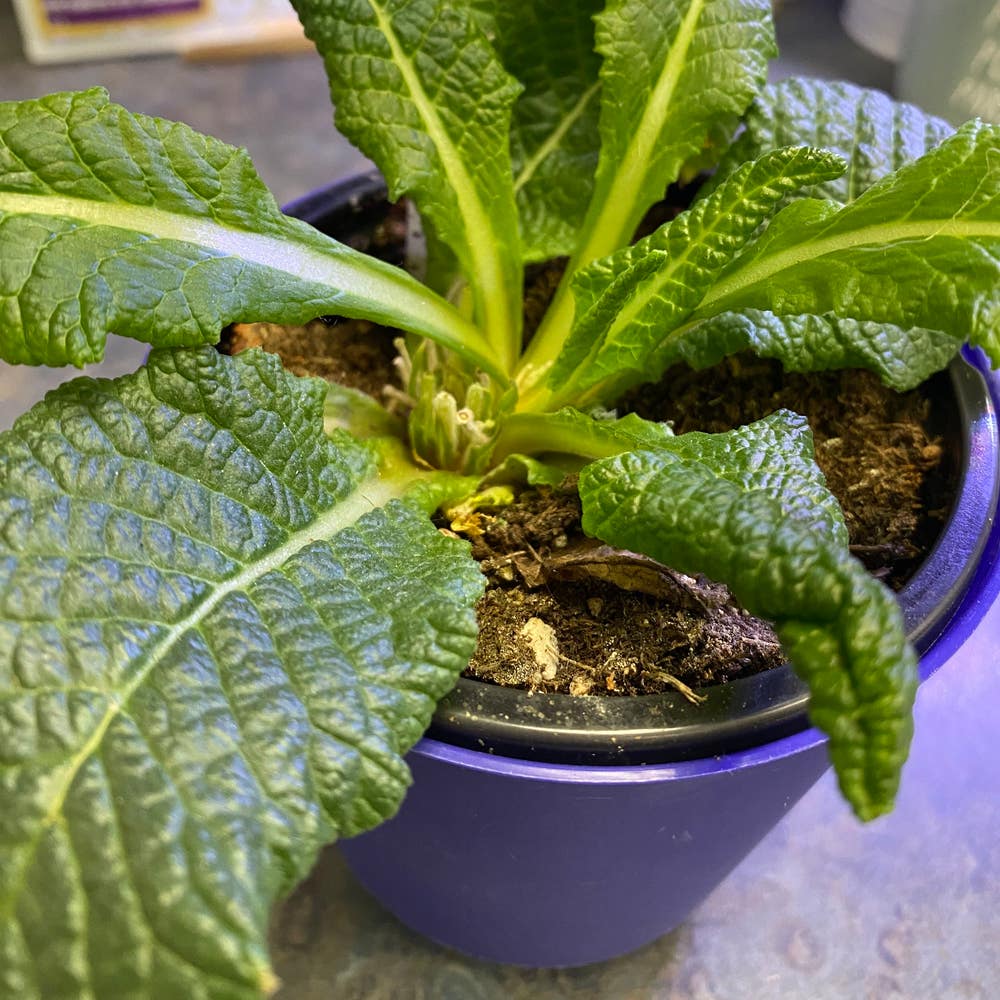
🌼 Why Gold Lace Primrose Is Not an Annual
Primula polyantha 'Gold Lace'
By the Greg Editorial Team
Oct 04, 2024•6 min read
This article was created with the help of AI so we can cover more plants for you. May contain errors. See one? Report it here.
- 🌼 Gold Lace Primrose is a resilient perennial, thriving through winter and adverse conditions.
- 🌱 Its deep roots store energy, ensuring long-term growth and survival.
- 🌸 Produces seeds multiple times, enhancing its spread and garden beauty year after year.
Gold Lace Primrose Characteristics
🌱 Genetic Traits
Gold Lace Primrose is celebrated for its adaptability and vibrant blooms. This species showcases remarkable resilience, enabling it to survive through winter and various adverse conditions.
Its ability to produce seeds multiple times throughout its lifecycle is a standout feature. This trait not only ensures its survival but also contributes to its spread in diverse environments.
🌿 Physiological Traits Supporting Perennial Growth
The root system of Gold Lace Primrose is deep and extensive, allowing it to store energy and nutrients effectively. This robust foundation supports its growth and survival during challenging times.
Additionally, the leaf structure is specifically adapted to maximize photosynthesis and retain water. This adaptation is crucial for thriving in varying climates and conditions.
📅 Long-Term Lifecycle and Growth Patterns
Gold Lace Primrose follows a distinct growth cycle. It emerges in spring, flowers in early summer, and enters dormancy in the fall, showcasing a clear seasonal rhythm.
With a lifespan that can extend for several years, this plant continuously produces flowers and seeds. Its seasonal growth is vigorous in favorable conditions but may slow down during drought or poor soil, demonstrating its adaptability.
This unique combination of traits solidifies Gold Lace Primrose's status as a perennial, setting the stage for a deeper exploration of its lifecycle in the next section.
Lifecycle Comparison
🌼 Gold Lace Primrose vs. True Annuals
Gold Lace Primrose boasts a multi-year lifecycle, unlike true annuals that complete their life cycle in just one season. This resilience allows it to thrive year after year, providing consistent beauty in your garden.
The growth stages of Gold Lace Primrose are distinct. It begins with germination in early spring, followed by a robust growth phase, and culminates in flowering during early summer. In contrast, annuals often rush through these stages, blooming quickly before fading away.
🌱 Reproductive Strategies
One of the standout features of Gold Lace Primrose is its ability to produce seeds through multiple flowering cycles. This continuous seed generation ensures that the plant not only survives but thrives in various conditions.
Pollination plays a crucial role in its reproductive success. Gold Lace Primrose attracts a variety of pollinators, enhancing its chances of successful seed production and contributing to a vibrant garden ecosystem.
🌸 Flowering and Seed Production Differences
Timing is another area where Gold Lace Primrose shines. It typically flowers in early summer, while many annuals spread their blooms throughout the growing season. This focused blooming period can create a stunning display when timed right.
Moreover, the seeds of Gold Lace Primrose have impressive longevity. They can remain viable for several years, unlike many annuals whose seeds lose viability quickly. This characteristic not only supports its perennial nature but also makes it a smart choice for gardeners looking for lasting beauty.
As we explore the regional variations and misconceptions surrounding Gold Lace Primrose, it’s essential to understand how these factors can influence its classification and growth.
Regional Variations and Misconceptions
Conditions Leading to Misclassification 🌵
Gold Lace Primrose can sometimes be misclassified due to extreme drought conditions. When water is scarce, its growth and flowering may diminish, leading observers to mistakenly label it as an annual.
Poor soil conditions can also contribute to this confusion. Nutrient deficiencies can stunt the plant's growth, making it appear more like an annual than the resilient perennial it truly is.
Exceptions in Different Climates 🌦️
The growth and perception of Gold Lace Primrose vary significantly across different climates. In harsher environments, its adaptability shines, allowing it to thrive where other plants might struggle.
This adaptability influences its classification, as it can flourish in diverse settings, from arid regions to more temperate climates. Understanding these variations helps clarify why it’s often misunderstood.
Common Misconceptions 🤔
One major misconception is the misunderstanding of its lifecycle. Many people confuse its perennial nature with annual-like behavior, especially during tough conditions.
Additionally, there's a tendency to underestimate its resilience and longevity. This perception of fragility can lead to a lack of appreciation for its robust nature and ability to bounce back year after year.
As we explore these misconceptions, it's essential to recognize the true character of Gold Lace Primrose, paving the way for a deeper understanding of its role in gardens and ecosystems.
Garden Design Implications
🌼 Advantages in Perennial Gardens
Gold Lace Primrose is a fantastic long-term investment for any garden. Its ability to provide consistent blooms year after year makes it a reliable choice for gardeners seeking beauty and stability.
Additionally, this perennial attracts a variety of pollinators, enhancing biodiversity in your garden. By supporting local ecosystems, it contributes to a healthier environment.
🌱 Planting Strategies for Perennial Benefits
Companion planting is a smart strategy when incorporating Gold Lace Primrose into your garden. Pairing it with other perennials can enhance growth and create a visually appealing landscape.
Spacing is also crucial for optimal growth. Ensure adequate space between plants to promote airflow and maximize sunlight exposure, which is vital for their health.
🎨 Integrating into Garden Design
Incorporating Gold Lace Primrose into your garden design adds both color and texture. Its vibrant blooms can serve as focal points or complement other plants beautifully.
Planning for seasonal interest is essential. Strategically placing these primroses ensures your garden remains visually appealing throughout the year, providing a dynamic landscape that evolves with the seasons.
As you consider these design implications, remember that the right placement and companion plants can elevate your garden's overall aesthetic and ecological health.
Management Tips for Longevity
🌱 Best Practices for Managing as a Perennial
To ensure your Gold Lace Primrose thrives, focus on soil health. Well-draining, nutrient-rich soil is crucial for optimal growth.
Watering techniques also play a vital role. Aim for consistent moisture while avoiding waterlogging, which can harm the roots.
🌼 Maximizing Flowering and Seed Production
Deadheading is a simple yet effective practice. By removing spent flowers, you encourage the plant to produce more blooms.
Fertilization is equally important. Establish an appropriate feeding schedule to support both growth and flowering throughout the season.
❄️ Seasonal Care Considerations
Preparing for winter is essential for longevity. Mulching and protective strategies can help your primrose survive the cold months.
As spring approaches, early care tips can promote vigorous growth. Pay attention to your plants as they awaken, ensuring they have the best start to the growing season.
With these management tips, your Gold Lace Primrose will not only survive but thrive, adding beauty to your garden year after year. Next, let’s explore how to integrate this stunning perennial into your garden design for maximum impact.
⚠️ Safety First
This content is for general information and may contain errors, omissions, or outdated details. It is not medical, veterinary advice, or an endorsement of therapeutic claims.
Always consult a qualified healthcare professional before using any plant as food, medicine, or supplement.
Never eat any plant (or feed one to pets) without confirming its identity with at least two trusted sources.
If you suspect poisoning, call Poison Control (800) 222-1222, the Pet Poison Helpline (800) 213-6680, or your local emergency service immediately.
Spotted an error? Please report it here.
Celebrate the enduring charm of Gold Lace Primrose 🌼 by using Greg's personalized care reminders to keep your garden vibrant and thriving through every season!