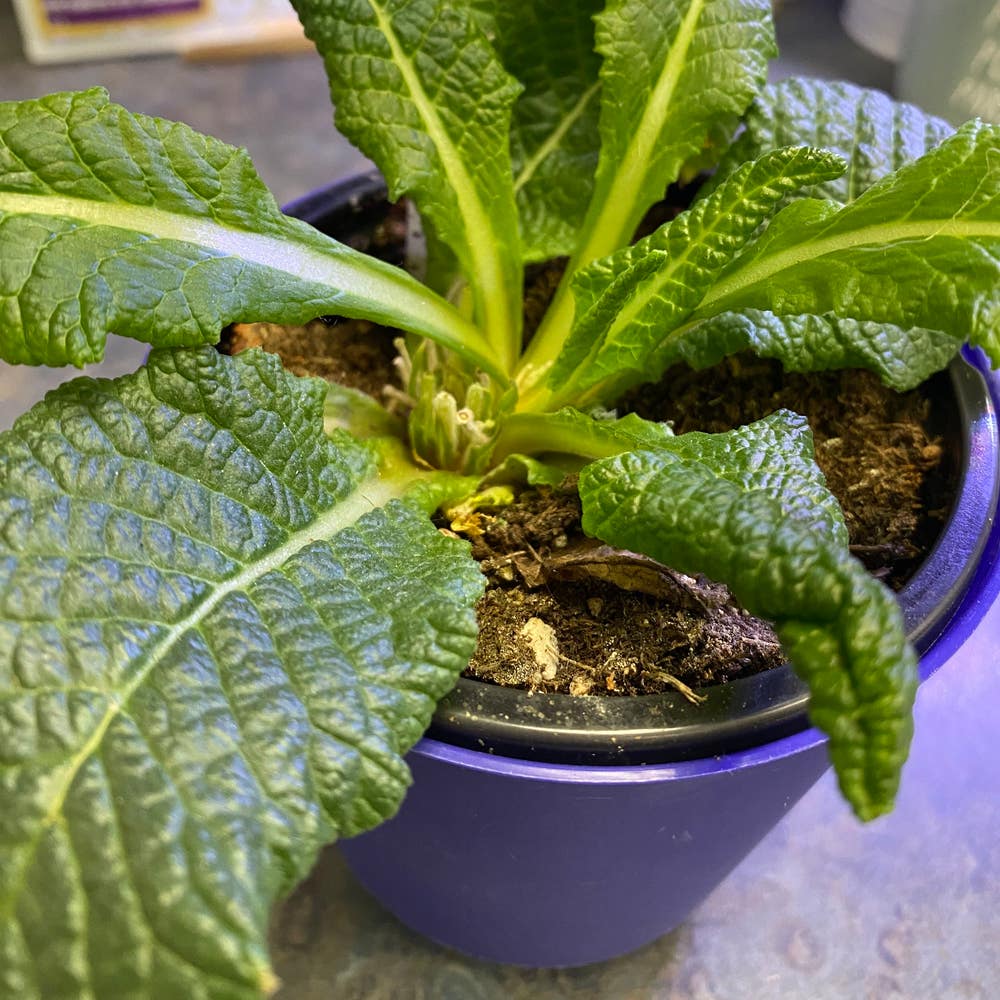
🌼 Ultimate Guide to Repotting Gold Lace Primrose
Primula polyantha 'Gold Lace'
By the Greg Editorial Team
Oct 04, 2024•6 min read
This article was created with the help of AI so we can cover more plants for you. May contain errors. See one? Report it here.
- 🌱 Signs your Gold Lace Primrose needs repotting: stunted growth and roots out of drainage holes.
- 🕵️♂️ Check for root-bound conditions: look for circling or densely packed roots.
- 🌼 Best time to repot is early spring, just before blooming season.
Signs That Your Gold Lace Primrose Needs Repotting
Visual Indicators 🌱
Recognizing when your Gold Lace Primrose needs repotting is crucial for its health. Look for stunted growth; if you notice a lack of new leaves or blooms, it’s a clear sign.
Another indicator is roots emerging from the drainage holes. This often means your plant is root-bound and needs more space to thrive.
Lastly, if the soil dries out quickly after watering, it suggests your plant has outgrown its pot. This is a common issue that can lead to stress for your primrose.
Assessing Root Bound Conditions 🪴
To assess root-bound conditions, check for roots circling the pot or densely packed together. These signs indicate that your plant is cramped and needs a larger home.
For a thorough check, gently remove the plant from its pot. Inspect the root system for any discoloration or rot, which can signal underlying health issues.
How to Assess Root Health Before Repotting
🌱 Root Inspection Techniques
To start, gently remove your Gold Lace Primrose from its pot. This step is crucial for assessing root health.
Next, examine the root ball closely. Look for healthy white roots, which indicate a thriving plant. Conversely, dark or mushy roots signal rot and require immediate attention.
If you find any damaged roots, trim them with sterilized scissors. This helps prevent infection and promotes healthier growth.
⏰ Timing for Repotting
Timing is everything when it comes to repotting. The best time to repot your Gold Lace Primrose is early spring, just before the blooming season begins.
Aim to repot every 1-2 years or whenever you notice signs of root binding. Keeping an eye on your plant’s growth will help you determine the right moment for this essential task.
With these techniques and timing tips, you’ll ensure your Gold Lace Primrose remains healthy and vibrant. Next, let’s dive into the step-by-step guide for repotting your plant effectively.
Step-by-Step Guide to Repotting
Repotting your Gold Lace Primrose can seem daunting, but with the right approach, it’s a straightforward process. Follow these steps to ensure your plant thrives in its new home.
🛠️ Gather Your Materials
Start by collecting everything you’ll need: a new pot, fresh potting mix, and essential tools like scissors and a trowel. Having everything ready will make the process smoother.
📏 Choose the Right Pot Size
Select a pot that is 1-2 inches larger in diameter than the current one. This extra space allows your plant to grow without becoming root-bound again.
🪴 Prepare the New Pot
Before placing your plant inside, ensure the new pot has adequate drainage holes. Adding a layer of gravel or small stones at the bottom enhances drainage, preventing water from sitting at the roots.
🌱 Remove the Plant from Its Old Pot
Gently loosen the soil around the edges of the old pot. Support the base of the plant as you pull it out, being careful not to damage the roots.
🌼 Place the Plant in the New Pot
Position your Gold Lace Primrose at the same depth it was in the old pot. Fill in with potting mix, making sure to eliminate any air pockets for optimal root contact.
💧 Water Thoroughly
Once the plant is securely in place, water it thoroughly. Allow excess water to drain out, ensuring the roots are well-hydrated but not waterlogged.
🏷️ Label the Pot
If you have multiple plants, consider labeling the pot for future reference. This simple step can help you keep track of care routines and plant specifics.
By following these steps, you’ll set your Gold Lace Primrose up for success in its new environment. Next, let’s explore best practices for handling the plant during repotting to minimize stress and ensure a smooth transition.
Best Practices for Handling the Plant During Repotting
Gentle Handling Techniques 🌱
When repotting your Gold Lace Primrose, it's crucial to support the base of the plant. This simple action helps prevent any damage to the delicate stem.
Avoid pulling on leaves or flowers during removal. This can cause unnecessary stress and harm to the plant, which you definitely want to avoid.
Minimizing Stress 🌤️
Timing matters! Repot during the cooler parts of the day to help reduce stress on your plant. Early morning or late afternoon works best.
After repotting, keep the plant in a shaded area for a few days. This allows it to acclimate to its new environment without the added pressure of direct sunlight.
By following these best practices, you’ll ensure a smoother transition for your Gold Lace Primrose, setting it up for healthy growth in its new pot. Next, let’s explore the various pot material options to find the best fit for your plant!
Pot Material Options
Choosing the right pot material is crucial for the health of your Gold Lace Primrose. Each type has its own set of advantages and disadvantages.
🥇 Pros and Cons of Each Material
Ceramic Pots
Ceramic pots are visually appealing and provide good insulation for your plants. However, they can be quite heavy and may retain moisture, which could lead to overwatering.
Plastic Pots
Plastic pots are lightweight and budget-friendly, making them a popular choice. On the downside, they are less breathable, which can cause overheating and stress for your plant.
Terracotta Pots
Terracotta pots excel in drainage and breathability, allowing roots to thrive. The trade-off is that they can dry out quickly, requiring more frequent watering.
Metal Pots
Metal pots offer durability and a sleek, modern look. Unfortunately, they provide poor insulation and can heat up rapidly, potentially harming your plant.
📋 Recommendations for Pot Materials
For optimal growth, terracotta is often the best choice due to its excellent drainage and breathability. It's wise to steer clear of non-breathable plastic and metal pots, as they can lead to overheating and stress for your Gold Lace Primrose.
Understanding these pot materials will help you make informed decisions that promote the health and vitality of your plants. Next, let’s dive into common repotting mistakes to avoid.
Common Repotting Mistakes
🚫 Mistakes to Avoid
Repotting can be a delicate process, and a few common mistakes can hinder your Gold Lace Primrose's health. One major pitfall is overwatering, which can lead to root rot and ultimately kill your plant.
Another mistake is choosing the wrong pot size. If the new pot is too large, it can retain excess moisture, creating a soggy environment that your plant won't appreciate.
🛡️ How to Prevent Root Damage
To keep your plant thriving, use sterilized tools during the repotting process. This minimizes the risk of infection and ensures a healthier root system.
Additionally, handle the roots gently to avoid breakage. A little care goes a long way in preserving the integrity of your plant's root structure.
⏰ Importance of Timing
Timing is crucial when repotting your Gold Lace Primrose. Avoid repotting during the blooming period; early spring is the best time to make the switch.
Keep an eye on seasonal changes, too. Adjust your care routine based on temperature and humidity to ensure your plant adapts well after repotting.
With these tips in mind, you can navigate the repotting process smoothly and keep your Gold Lace Primrose flourishing. Next, let’s explore the best practices for handling the plant during repotting.
⚠️ Safety First
This content is for general information and may contain errors, omissions, or outdated details. It is not medical, veterinary advice, or an endorsement of therapeutic claims.
Always consult a qualified healthcare professional before using any plant as food, medicine, or supplement.
Never eat any plant (or feed one to pets) without confirming its identity with at least two trusted sources.
If you suspect poisoning, call Poison Control (800) 222-1222, the Pet Poison Helpline (800) 213-6680, or your local emergency service immediately.
Spotted an error? Please report it here.
Repotting your Gold Lace Primrose is a breeze when you spot the signs early, and with Greg's tailored reminders and expert tips, you'll ensure your plant not only survives but thrives in its new pot! 🌿