🌼 Gold Lace Primrose: Not an Invasive Plant
Primula polyantha 'Gold Lace'
By the Greg Editorial Team
Oct 04, 2024•6 min read
This article was created with the help of AI so we can cover more plants for you. May contain errors. See one? Report it here.
- 🌼 Gold Lace Primrose is non-invasive, making it a safe garden choice.
- 🐝 Attracts pollinators like bees and butterflies, enhancing local biodiversity.
- 🌱 Low-maintenance and drought-tolerant, perfect for busy gardeners.
Plant Classification
Definition of Invasive Species 🌍
Invasive species are non-native plants that aggressively spread, outcompeting local flora and disrupting ecosystems. They typically exhibit rapid growth, high reproductive rates, and adaptability to various environments, making them a threat to biodiversity.
Why Gold Lace Primrose is Non-Invasive 🌼
Gold Lace Primrose stands out as a non-invasive option for gardens. It does not show aggressive growth patterns or high reproductive rates, allowing it to coexist peacefully with other plants.
This plant has natural limits to its spread, making it a manageable addition to any garden. Its native habitat and specific growth conditions further contribute to its non-invasive nature, ensuring it enhances rather than disrupts local ecosystems.
With its gentle growth habits, Gold Lace Primrose is a perfect choice for gardeners looking to promote biodiversity without the worry of invasive behavior.
As we explore its growth habits next, you'll see how this plant thrives in various conditions while maintaining its non-invasive status.
Growth Habits
🌱 Typical Growth Patterns in Gardens
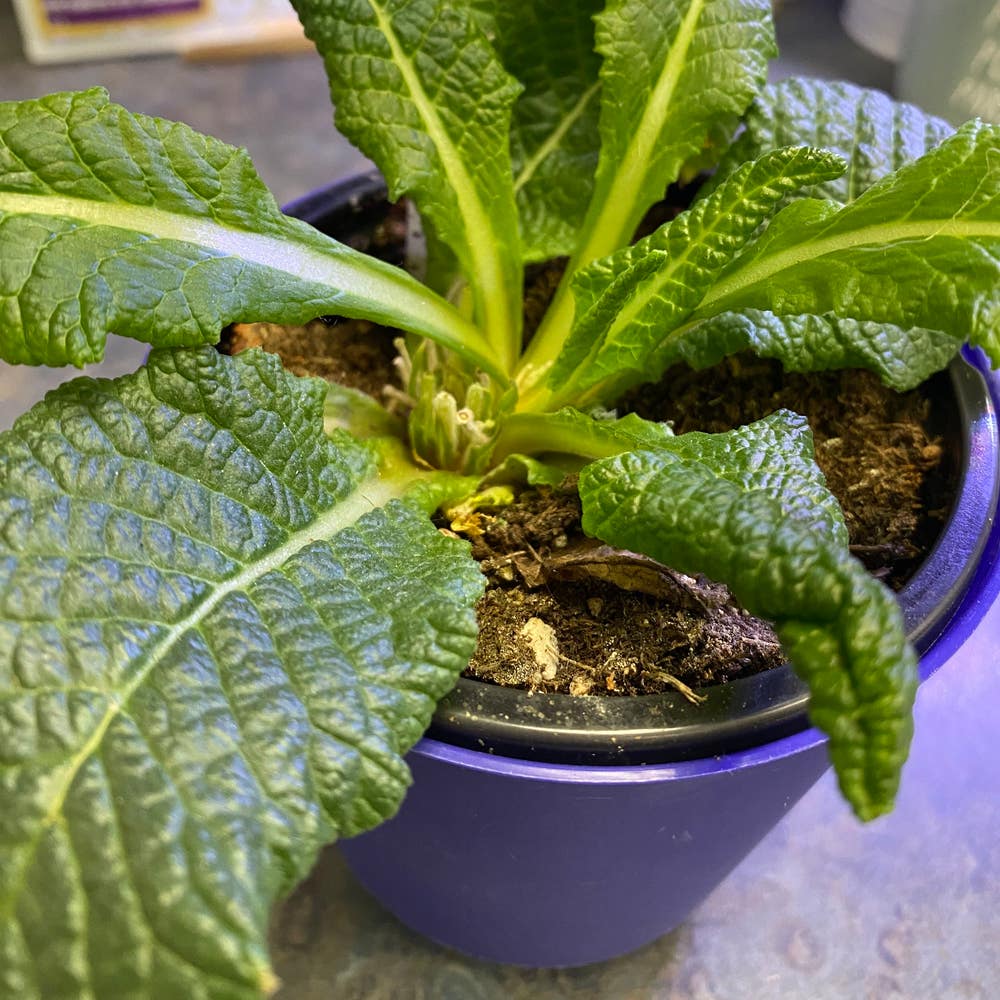
Gold Lace Primrose forms compact rosettes, typically reaching heights of 6-12 inches and spreading 12-18 inches. Its vibrant blooms in spring attract essential pollinators like bees and butterflies, making it a delightful addition to any garden.
This plant thrives in various garden designs, preferring partial shade to full sun. Its adaptability allows it to fit seamlessly into rock gardens, borders, and even alpine settings.
🌿 Natural Limits to Growth and Spread Potential
Gold Lace Primrose flourishes in well-drained soils, but poor drainage can hinder its growth. Once established, it becomes drought-tolerant, requiring minimal maintenance, which is a boon for busy gardeners.
Its spread is naturally limited due to its specific soil and climate preferences. This characteristic makes it a manageable choice for those looking to maintain a balanced garden ecosystem.
Incorporating Gold Lace Primrose into your garden not only enhances its beauty but also supports local wildlife. As we explore its ecological role next, you'll see how this plant contributes to a thriving garden environment.
Ecological Role
Benefits to Local Wildlife 🐝
Gold Lace Primrose is a true ally for local wildlife. Its vibrant blooms attract a variety of pollinators, including bees and butterflies, which are essential for maintaining biodiversity in gardens.
These flowers provide not just beauty but also nectar and habitat for beneficial insects. By incorporating Gold Lace Primrose into your garden, you create a thriving ecosystem that supports these vital creatures.
Positive Interactions with Other Plants 🌱
This plant excels in companion planting, enhancing the growth of neighboring flora. Its presence can boost the overall health of your garden by fostering beneficial relationships among plants.
Moreover, Gold Lace Primrose improves soil health and structure through its robust root system. This not only benefits the primrose itself but also creates a healthier environment for other plants to thrive.
Incorporating Gold Lace Primrose into your garden design not only beautifies your space but also contributes positively to the local ecosystem. As we explore further, we'll look at effective garden management strategies to maximize its benefits.
Garden Management
Methods for Incorporating into Garden Designs 🌼
Gold Lace Primrose shines in various garden settings, making it a versatile choice. It's particularly ideal for rock gardens, borders, and alpine environments, where its compact rosettes can thrive.
Pairing Gold Lace Primrose with other wildlife-friendly plants enhances biodiversity. This combination not only attracts pollinators but also creates a vibrant, lively garden space.
Considerations for Controlling Growth ✂️
To keep your Gold Lace Primrose blooming beautifully, regular deadheading is essential. This practice encourages more flowers and helps prevent unwanted self-seeding.
Monitoring for overcrowding is also crucial. Thinning out the plants as necessary will maintain the aesthetics of your garden while ensuring each plant has enough space to flourish.
Incorporating Gold Lace Primrose into your garden design not only adds beauty but also supports local wildlife. With a little management, you can enjoy its vibrant blooms while maintaining a healthy garden ecosystem.
Comparison to Other Plants
🌱 Similar Non-Invasive Plants
When considering non-invasive perennials, Gold Lace Primrose stands out alongside Alpine Aster and Creeping Thyme.
Alpine Aster: This plant features vibrant purple flowers and thrives in rocky soils. It attracts pollinators and offers a similar compact growth habit, making it a great companion in garden designs.
Creeping Thyme: Known for its aromatic foliage, Creeping Thyme forms a dense mat that suppresses weeds. It also blooms with small purple flowers, providing nectar for bees while being drought-tolerant.
These plants share the non-invasive trait, making them excellent choices for sustainable gardening. They enhance biodiversity and can coexist harmoniously in various garden settings.
🌼 Unique Qualities
Gold Lace Primrose boasts distinctive yellow flowers that brighten any garden. Its rosette formation adds a unique visual appeal, setting it apart from other perennials.
Additionally, this plant is low maintenance and drought-tolerant once established. This makes it a sustainable choice for gardeners looking to minimize water usage while still enjoying vibrant blooms.
Incorporating Gold Lace Primrose into your garden not only enhances its beauty but also supports local wildlife, making it a win-win for both aesthetics and ecology.
As we explore further, let’s delve into the legal and environmental considerations surrounding Gold Lace Primrose and its role in sustainable gardening practices.
Legal and Environmental Considerations
Relevant Classifications and Guidelines 🌍
Before planting Gold Lace Primrose, it's essential to check local regulations. Some regions may have specific guidelines regarding non-native plants, even if they are non-invasive.
Understanding these classifications can help you make informed decisions about your garden. Always ensure that your choices align with local environmental policies.
Role in Sustainable Gardening Practices 🌱
Gold Lace Primrose plays a vital role in supporting biodiversity. Its flowers attract beneficial wildlife, including pollinators like bees and butterflies.
This plant also fits seamlessly into sustainable gardening practices. Once established, it requires minimal water and maintenance, making it an eco-friendly choice for any garden.
Incorporating Gold Lace Primrose not only beautifies your space but also contributes positively to the environment. This makes it a win-win for both gardeners and nature enthusiasts alike.
As you consider adding this lovely plant to your garden, remember its ecological benefits. Next, let’s explore how to effectively manage its growth in your garden design.
⚠️ Safety First
This content is for general information and may contain errors, omissions, or outdated details. It is not medical, veterinary advice, or an endorsement of therapeutic claims.
Always consult a qualified healthcare professional before using any plant as food, medicine, or supplement.
Never eat any plant (or feed one to pets) without confirming its identity with at least two trusted sources.
If you suspect poisoning, call Poison Control (800) 222-1222, the Pet Poison Helpline (800) 213-6680, or your local emergency service immediately.
Spotted an error? Please report it here.
Transform your garden with the non-invasive Gold Lace Primrose 🌼 and let Greg provide tailored care reminders to help your plants flourish effortlessly!