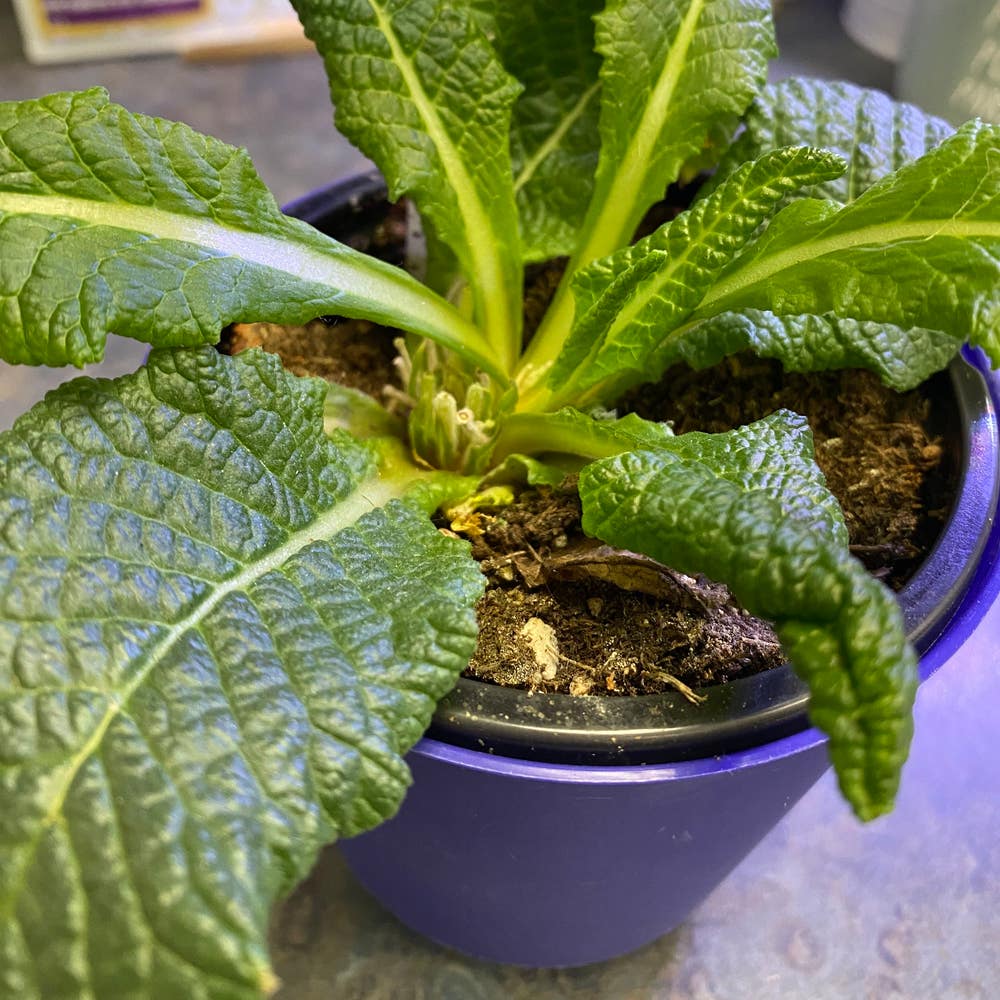
🌼 Why Your Gold Lace Primrose Buds Won't Open
Primula polyantha 'Gold Lace'
By the Greg Editorial Team
Oct 04, 2024•3 min read
This article was created with the help of AI so we can cover more plants for you. May contain errors. See one? Report it here.
- 🌡️ Optimal temperature for Gold Lace Primrose is 15°C to 20°C for bud opening.
- 💧 Humidity levels matter; too high causes rot, too low dries buds out.
- 🌞 4-6 hours of indirect sunlight daily is essential for healthy blooms.
Flowering Problems in Gold Lace Primrose
🌱 Reasons for Buds Not Opening
Environmental Stress
Temperature fluctuations can be detrimental to Gold Lace Primrose. The ideal range is between 15°C to 20°C (59°F to 68°F); anything outside this can hinder bud development.
Humidity also plays a crucial role. High humidity can lead to bud rot, while low humidity may cause buds to dry out before they can bloom.
Nutrient Deficiencies
Key nutrients for flowering include nitrogen, phosphorus, and potassium. A deficiency in these can manifest as yellowing leaves, stunted growth, and poor bud formation.
It's essential to monitor nutrient levels to ensure vibrant blooms. Without the right balance, your primrose may struggle to produce flowers.
Light Requirements
Gold Lace Primrose thrives with 4-6 hours of indirect sunlight daily. Insufficient light can prevent buds from opening, as the plant lacks the energy needed for flower development.
Proper light exposure is vital for healthy blooms. Adjusting the plant's location can make a significant difference.
🌼 Common Causes of Premature Flower Drop
Environmental Factors
Temperature extremes can cause flowers to drop prematurely. Frost or excessive heat can severely impact flower retention.
Soil moisture levels are equally important. Overwatering can lead to root rot, which often results in bud drop.
Nutritional Imbalances
Balanced fertilization is crucial for preventing premature flower drop. The right NPK ratios help maintain plant health.
Over-fertilization can also be harmful. Symptoms include burned leaf tips and weakened stems, which can lead to flower loss.
Pest Issues
Pests like aphids and thrips can significantly affect flower retention. They can distort leaves and create visible damage on flower buds.
Regular inspections for signs of infestation are essential. Early detection can save your blooms from premature drop.
🌸 Abnormal Flower Development Issues
Genetic Factors
Variability among cultivated varieties can lead to differences in flower structure and color. Understanding these differences is key to managing expectations.
Hybridization can also impact flower development. Some hybrids may not perform as well as their parent varieties.
Environmental Stressors
Inconsistent watering can lead to malformed flowers. Fluctuations in moisture levels disrupt normal growth patterns.
Excessive direct sunlight can scorch petals, further complicating flower development. Finding the right balance is crucial for healthy blooms.
🛠️ Troubleshooting Flowering Issues
Step-by-Step Guide to Diagnose Flower Problems
- Assess environmental conditions: Check light, temperature, and humidity.
- Check soil moisture levels: Ensure proper drainage and moisture retention.
- Inspect for pests and diseases: Look for signs of infestation or infection.
Solutions for Each Identified Problem
Addressing light issues may involve relocating plants or adjusting their exposure.
Nutrient adjustments can help tailor fertilization to meet specific deficiencies.
For pest control, consider both organic and chemical solutions to manage infestations effectively.
By understanding these factors, you can help your Gold Lace Primrose thrive and enjoy its beautiful blooms.
⚠️ Safety First
This content is for general information and may contain errors, omissions, or outdated details. It is not medical, veterinary advice, or an endorsement of therapeutic claims.
Always consult a qualified healthcare professional before using any plant as food, medicine, or supplement.
Never eat any plant (or feed one to pets) without confirming its identity with at least two trusted sources.
If you suspect poisoning, call Poison Control (800) 222-1222, the Pet Poison Helpline (800) 213-6680, or your local emergency service immediately.
Spotted an error? Please report it here.
Unlock vibrant blooms 🌼 for your Gold Lace Primrose by using Greg's tailored care reminders to maintain perfect temperature, humidity, and light conditions!