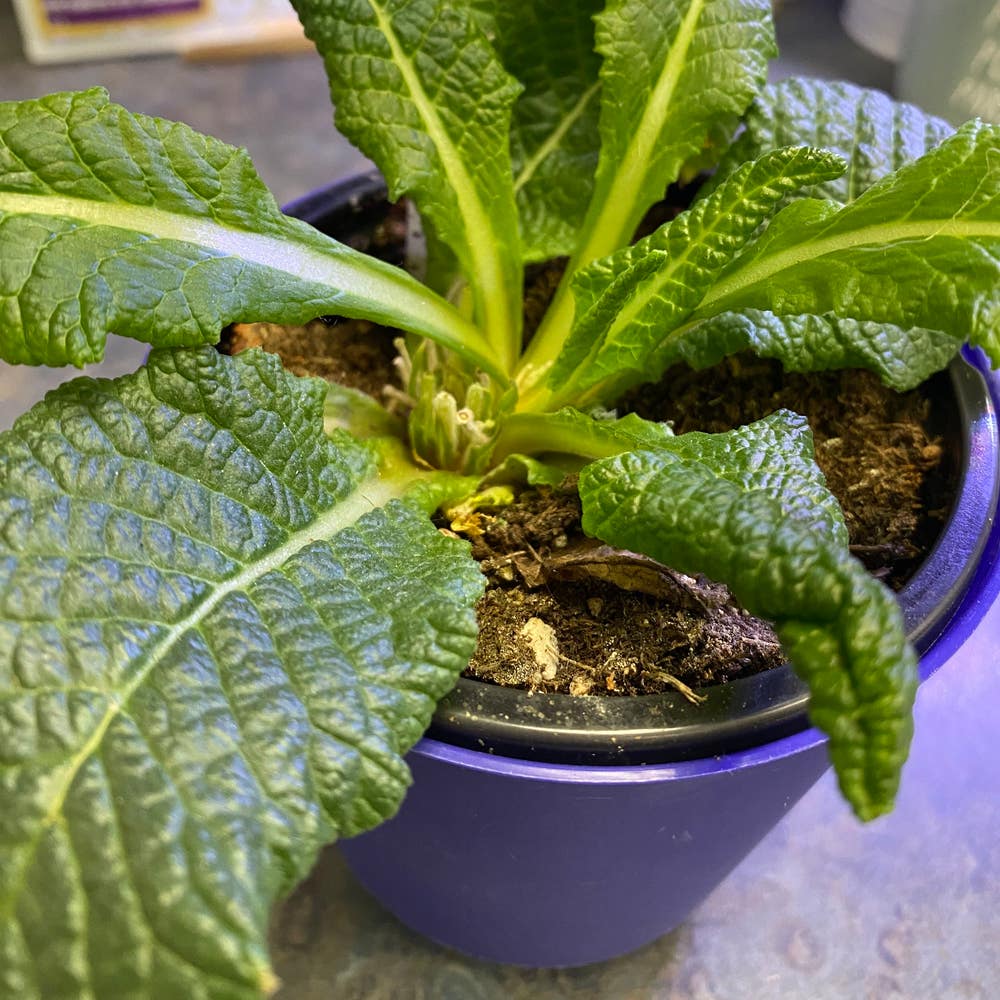
🌼 How to Cure Root Rot in Your Gold Lace Primrose
Primula polyantha 'Gold Lace'
By the Greg Editorial Team
Oct 04, 2024•5 min read
This article was created with the help of AI so we can cover more plants for you. May contain errors. See one? Report it here.
- 🌱 Diagnose root rot by checking soil moisture and observing leaf distress signs.
- ✂️ Treat root rot by trimming decayed roots and using a well-draining potting mix.
- 🧴 Prevent root rot with proper drainage, seasonal care adjustments, and regular inspections.
Diagnosing Root Rot
🔍 How to Check for Root Rot
To diagnose root rot in your Gold Lace Primrose, start by inspecting the soil moisture. Use a moisture meter or simply stick your finger into the soil to gauge its dampness.
Next, remove the plant from its pot. Gently loosen the soil around the roots to get a clear view of their condition.
👀 Visual Signs on the Plant
Look for visual signs on the plant itself. Drooping or yellowing leaves often serve as initial indicators of distress.
Additionally, assess the overall vigor of the plant. Stunted growth or a lack of flowering can signal that something is amiss.
🧪 Root Examination Techniques
Now, let’s dive into examining the roots. Start with a root color assessment; healthy roots should be white or light tan.
Next, check the texture. Healthy roots feel firm, while rotting roots will have a mushy consistency.
Finally, perform a smell test. A foul odor can indicate decay and fungal activity, confirming the presence of root rot.
By following these steps, you can effectively diagnose root rot and take action before it’s too late. This sets the stage for the next crucial step: treating the affected plant.
Treating Root Rot
Step-by-Step Treatment Process 🌱
Treating root rot in your Gold Lace Primrose requires careful attention. Start by removing the plant from its pot and inspecting the roots for any signs of decay.
Next, trim away the affected roots using sterilized scissors. Make sure to cut back to healthy tissue to promote recovery.
After that, clean the pot thoroughly. Disinfect it with a bleach solution to eliminate any lingering pathogens that could harm your plant.
Finally, replant your primrose in fresh potting mix. Opt for a well-draining mix specifically suited for Primula auricula to ensure optimal growth.
Recommended Fungicides or Treatments 💊
To combat root rot effectively, consider applying fungicides. Products containing azoxystrobin or propiconazole are particularly effective in treating fungal infections.
If you prefer natural remedies, cinnamon and neem oil are excellent organic options. These can help inhibit fungal growth while being gentle on your plant.
Repotting Techniques for Affected Plants 🪴
Choosing the right pot size is crucial for your plant's recovery. Ensure the new pot has adequate drainage holes to prevent future water accumulation.
Layering gravel or perlite at the bottom of the pot can significantly improve drainage. This simple step helps keep the roots healthy and aerated.
After repotting, it's essential to water your plant carefully. Allow it to settle in its new environment before resuming your normal watering routine.
By following these steps, you can effectively treat root rot and give your Gold Lace Primrose a chance to thrive again. Next, let’s explore how to prevent root rot from occurring in the first place.
Preventing Root Rot
Best Practices for Watering 🌊
To keep your Gold Lace Primrose thriving, it's crucial to monitor your watering habits. Allow the top inch of soil to dry out between waterings to prevent soggy roots.
Using a watering can with a narrow spout can help you control the flow, ensuring that water reaches the roots without oversaturating the soil. This simple adjustment can make a big difference in root health.
Importance of Soil Drainage 🚰
Proper drainage is essential for preventing root rot. Always select pots with drainage holes to avoid water accumulation, which can lead to decay.
Incorporating drainage materials like perlite or sand into your potting soil enhances aeration. This mix allows excess water to escape, keeping your plant's roots healthy and happy.
Choosing the Right Potting Mix 🪴
Using the right potting mix is vital for your Primrose's success. A blend of peat moss, perlite, and compost provides the ideal environment for growth.
Avoid heavy soils that retain too much moisture, as they can suffocate roots. Opt for lighter mixes that promote drainage and aeration, ensuring your Gold Lace Primrose flourishes.
By following these preventive measures, you can significantly reduce the risk of root rot and keep your plant in top condition. Next, let’s explore how to monitor your plant's health effectively.
Monitoring Plant Health
🌱 Regular Checks for Root Health
To keep your Gold Lace Primrose thriving, schedule regular inspections every 4-6 weeks during the growing season. This proactive approach helps you catch any issues early, ensuring your plant remains healthy.
Look for early signs of distress, such as changes in leaf color or overall vigor. Yellowing leaves or drooping can indicate underlying problems that need your attention.
🔍 Signs of Recovery After Treatment
After addressing root rot, watch for signs of recovery. The appearance of fresh leaves or flowers is a positive indicator that your plant is bouncing back.
Additionally, check for root health by observing firm, white roots emerging from the drainage holes. This is a clear sign that your Gold Lace Primrose is on the mend.
🌼 Long-Term Care Tips for Gold Lace Primrose
Adjust your care routine seasonally to match temperature changes. This ensures your plant receives the right amount of water and nutrients throughout the year.
Implement a balanced fertilization schedule during the growing season to support recovery. This will help your Primrose regain its strength and vibrancy.
Finally, maintain moderate humidity and avoid overcrowding in containers. These practices create an optimal environment for your Gold Lace Primrose to flourish.
By keeping an eye on your plant's health and making necessary adjustments, you can enjoy a thriving Gold Lace Primrose for years to come. Next, let’s explore how to prevent root rot in the first place.
⚠️ Safety First
This content is for general information and may contain errors, omissions, or outdated details. It is not medical, veterinary advice, or an endorsement of therapeutic claims.
Always consult a qualified healthcare professional before using any plant as food, medicine, or supplement.
Never eat any plant (or feed one to pets) without confirming its identity with at least two trusted sources.
If you suspect poisoning, call Poison Control (800) 222-1222, the Pet Poison Helpline (800) 213-6680, or your local emergency service immediately.
Spotted an error? Please report it here.
Revive your Gold Lace Primrose from root rot and watch it thrive again 🌿 with Greg's tailored care reminders and expert tips that keep your plant healthy and happy!